
After gastric bypass, routines shift and so do your nutritional needs. Many people in Foxboro and surrounding areas seek guidance on maintaining their energy and wellness. One key step is understanding the importance of B12 shots after gastric bypass as part of a broader, lab-guided supplementation plan. This approach helps address unique absorption challenges and supports long-term health. Whether you are new to this journey or looking to optimize your routine, local resources can make a real difference.
Understanding vitamin deficiency risks
Gastric bypass changes how your body absorbs nutrients, making vitamin and mineral planning essential. The risk of deficiency is not a personal failure but a predictable result of altered digestion. Most people need lifelong monitoring and a tailored supplement plan. Routine lab checks are key for catching trends early. Staying proactive helps you feel your best as you adapt to new routines.
Vitamin B12, iron, folate, and other nutrients often require special attention after surgery. Reduced stomach size and changes in digestion can make it harder to get enough from food alone. Symptoms like fatigue, numbness, or hair shedding may signal a need for lab-guided adjustments. It is important to use both lab results and how you feel to guide your plan. Never guess supplements based only on symptoms. Your bariatric team’s guidance is the foundation for safe, effective support.
Gastric bypass vitamin deficiency explained
After surgery, your body absorbs vitamins and minerals differently. This can lead to deficiencies if not managed carefully. A structured plan helps you avoid problems.
Why lab monitoring matters
Lab-guided supplementation is a cycle that helps keep your nutrient levels on track. You start with a baseline plan, check labs regularly, and adjust as needed. This approach helps avoid both under- and over-supplementing. Symptoms often overlap, so labs clarify what is really happening. Staying consistent with labs supports long-term wellness.
Common symptoms after gastric bypass can be vague, like fatigue or brain fog. These may be linked to vitamin B12, iron, or folate deficiencies, but only labs can confirm the cause. Sometimes, symptoms overlap with dehydration, low protein, or sleep issues. That is why a stepwise approach—hydration, protein, labs, then targeted support—works best. Always check with your bariatric team before making changes.
Vitamin B12 is especially important after gastric bypass because absorption is often reduced. The surgery changes how your body processes food and limits the amount of B12 you get from your diet. B12 deficiency can cause fatigue, anemia, and even neurologic symptoms like numbness or tingling. Because these issues can become serious if ignored, B12 is usually a high-priority nutrient in post-bypass care. Injections are often discussed because they bypass the digestive system and provide reliable support. Your bariatric team will help decide if this approach fits your needs.
B12 shots versus oral supplements
Oral B12 may work for some, but after gastric bypass, absorption can be unpredictable. B12 shots are often chosen when labs show low levels or symptoms suggest a deficiency. Injections deliver B12 directly, avoiding the digestive system. This can be helpful for those who have trouble with pills or absorption. Always follow your bariatric team’s recommendations for the safest plan.
B12 shots are not a quick fix for fatigue, as many factors can contribute to low energy after surgery. Fatigue might also be related to hydration, iron, protein intake, or sleep patterns. Lab results help clarify the true cause and guide targeted support. B12 injections are a tool within a broader system, not a standalone solution. Consistency with your vitamin plan and regular lab checks are key. Discuss any changes with your bariatric team before starting new supplements.
B-complex support
B-complex includes several B vitamins that support energy, nerve health, and red blood cell production. After gastric bypass, intake can be low due to reduced appetite or food intolerance. B-complex support may help fill gaps, especially during recovery. Symptoms like fatigue or brain fog can overlap with B vitamin deficiencies. Always use lab results and professional guidance to decide if B-complex fits your needs.
Thiamine, or vitamin B1, is a critical part of B-complex and deserves special attention. Persistent vomiting or very low intake can quickly lead to thiamine depletion, which can be serious. If you cannot keep fluids down, contact your bariatric team immediately, do not wait for a wellness appointment. Thiamine is often included in bariatric supplement plans, but it is not safe to assess or address deficiency on your own. Education and early communication help keep recovery on track.
Recognizing deficiency symptoms
Many people wonder if B12 shots after gastric bypass will solve their fatigue or brain fog. Symptoms like tiredness, numbness, or hair shedding can have several causes. Sometimes, these signs point to vitamin deficiencies, but they can also be linked to hydration, protein intake, or sleep. Only lab tests can confirm what is really going on. A stepwise approach—hydration, protein, labs, then targeted support—helps you address the root cause.
Fatigue is one of the most common concerns after gastric bypass. It is important to remember that low energy can result from dehydration, low calorie intake, anemia, or vitamin deficiencies. Checking your hydration and protein routines is a smart first step. Lab-guided supplementation can then target what is truly needed. This approach helps avoid unnecessary supplements and keeps your plan focused. Consistency and communication with your wellness team support better outcomes.
Neurologic symptoms like tingling or balance changes require prompt attention. These can be linked to B12 or thiamine deficiency. Always contact your bariatric team if you notice these signs.
Hair shedding and vitamin trends
Hair shedding is common during the rapid weight loss phase after surgery. This is often due to stress, protein intake challenges, or shifts in iron and zinc levels. Consistent protein and bariatric vitamins are the best support during this time. Lab-guided adjustments help address any deficiencies that may be present. Avoid promises that B12 shots or B-complex will stop hair loss. Focus on a system of protein, labs, and steady routines for the best support.
Constipation can also be a concern after gastric bypass, often due to reduced intake, pain medications, or dehydration. Some supplements may affect gastrointestinal comfort, so it is important to follow your bariatric team’s bowel routine. Staying hydrated and using gentle movement as permitted can help. Report severe constipation or abdominal pain to your team promptly. Avoid making changes to your supplement plan without guidance. Comfort and safety come first.
- Fatigue and weakness: May signal vitamin B12, iron, or folate deficiency after surgery.
- Numbness or tingling: Can be linked to B12 or thiamine issues and should be evaluated quickly.
- Hair shedding: Often related to protein intake, iron stores, or zinc trends during rapid weight loss.
- Mood and sleep: Low mood or poor sleep may be connected to nutrient trends or recovery stress.
Lab-guided supplementation planning
Your bariatric team will decide which labs to check and how often. Common tests include vitamin B12, iron, folate, and vitamin D. Regular monitoring helps tailor your supplement plan.
Lab-guided supplementation is safer than guessing based on symptoms alone. Too little or too much of certain nutrients can both cause problems. Symptoms like fatigue, dizziness, or numbness can overlap between different deficiencies. Routine labs help clarify what is truly needed and help avoid unnecessary changes. Keeping a supplement and symptom log can support better communication with your team. This system helps you stay on track and avoid confusion.
After surgery, deficiency risk is highest in the early weeks and months. Long-term, it is about maintaining routines and making periodic adjustments. Consistency is key for lasting wellness.
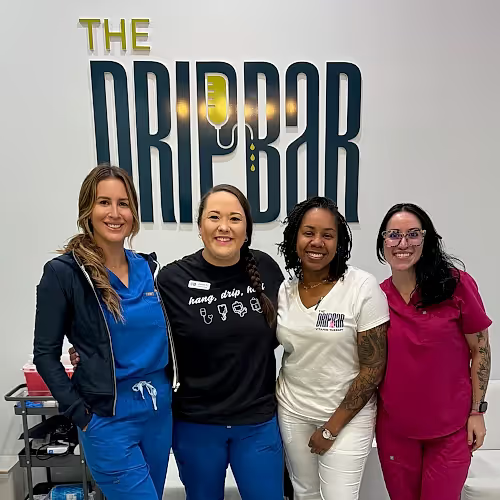
The DRIPBaR Foxboro offers B12 shots and B-complex support as part of a broader wellness approach. These services can complement your bariatric plan, especially when lab trends suggest a need. Hydration-first IV therapy is also available for those struggling with low intake or dehydration. The team focuses on creating a welcoming, supportive environment for every guest. Each visit is personalized to your current needs and goals. Wellness is about consistency, education, and support, not quick fixes. The goal is to help you feel more resilient in daily life.
Building your post-bypass routine
Many guests from Foxboro appreciate having a trusted wellness resource close to home. Making regular visits part of your routine can help you stay consistent with your vitamin and hydration goals. The DRIPBaR Foxboro is designed to be a supportive space where you can recharge and focus on your health. Building relationships and feeling cared for are central to the experience. Wellness is a journey, and having local support makes it easier to stay on track.
A weekly system can help you manage supplements, hydration, and labs. Daily routines like sipping fluids and prioritizing protein make a difference. Regular check-ins with your bariatric team keep your plan personalized.
Documenting your supplement list, symptom trends, and hydration habits can improve communication with your team. Bring recent lab results to wellness appointments when possible. This helps align your DRIPBaR visits with your bariatric plan. Consistency with fluids, protein, and vitamins supports better outcomes. If you notice new symptoms or changes, share them promptly. The best results come from a coordinated, guided approach. Your wellness journey is unique, and your plan should reflect that.
Safety and screening for injections
Before receiving B12 shots or B-complex, screening is important for safety. Your team will ask about your surgery date, current diet stage, and recent symptoms. They will also review your medication list and any allergies. Sharing your latest lab results helps personalize your support. This process ensures your care is guided and appropriate.
Common side effects of injections include brief discomfort, local soreness, or mild bruising. Rarely, allergic reactions or lightheadedness can occur. Eating and hydrating within bariatric guidelines before appointments may help reduce these effects. Always communicate if you feel unwell during or after a visit. Safety is the top priority at every step. Your comfort and well-being matter.
Certain symptoms require prompt medical attention. Persistent vomiting, severe pain, or new neurologic changes are red flags. Contact your bariatric team right away if these occur.
Setting realistic expectations for success
Success after gastric bypass means building stable routines and feeling more confident in your plan. Meeting hydration and protein goals is a strong foundation. Adhering to your vitamin schedule supports long-term wellness. Labs trending toward stability show your system is working. B12 shots and B-complex are tools to support your journey.
Wellness is not about instant fixes but about steady progress over time. You may notice gradual improvements in energy, focus, or mood as your plan comes together. Individual results vary, and it is normal for your needs to change. Stay open to adjustments based on labs and how you feel. Consistency, communication, and guided support are the keys to lasting results. Your wellness journey is personal, and your plan should reflect your unique needs.
If you are considering B12 shots or B-complex, ask your bariatric team about the best approach for you. Bring questions about lab trends, supplement timing, and symptom changes. The DRIPBaR team can help coordinate your visit with your overall plan. Aligning your support with your medical guidance leads to better outcomes. Your comfort and safety are always the priority.
During your visit, expect a calm, supportive environment focused on your needs. The appointment is usually brief, and the injection is given intramuscularly. Some people notice subtle changes in energy or clarity, while others may not feel a difference right away. Improvement can take time as your body rebuilds nutrient stores. Hydrate and eat protein-forward meals as permitted on support days. Track how you feel over the next few days to share with your team.
B-complex support is often chosen for energy metabolism and nervous system wellness. The benefits are usually subtle and work best as part of a consistent nutrition and hydration plan. If oral intake is low, the effects may be limited without strong food support. Labs and symptoms should guide whether B-complex is needed. Prioritize hydration, protein, and sleep routines on support days. Your team will help you decide if this option fits your goals.
Comparing B12 shots and B-complex
Both B12 shots and B-complex are used for wellness support after gastric bypass. B12 shots target a specific high-risk nutrient, while B-complex covers a broader range. Each option has its place depending on your needs and lab trends. Thiamine awareness is critical, especially if vomiting is present. Always consult your bariatric team before making changes.
B12 shots are often chosen when B12 is trending low or absorption is a concern. B-complex may be helpful during weeks of low intake or when multiple B vitamins are at risk. Both options should be guided by labs and professional recommendations. Persistent vomiting requires urgent medical attention and is not solved by wellness supplementation. The best fit depends on your current status and goals. Your team will help you decide which approach supports your recovery. Individualized planning leads to safer, more effective results.
The DRIPBaR team is experienced in supporting post-bariatric clients. They will ask about your surgery, current routines, and recent labs. This helps align your visit with your bariatric plan. Coordination between your wellness and medical teams supports better outcomes. Your comfort and safety are always prioritized. Personalized care makes a difference.
Next steps for post-bypass support
If you are considering B12 shots or B-complex, start by reviewing your current supplement plan. Check in with your bariatric team about recent lab results. Bring questions about symptoms or changes you have noticed. The DRIPBaR Foxboro team can help coordinate your visit. Consistency and communication are key for ongoing wellness.
Before booking, talk to your team about whether B12 shots after gastric bypass or B-complex support is right for you. Ask about lab trends, supplement timing, and any symptoms you are experiencing. Your plan should be guided by both labs and how you feel. The DRIPBaR team can help align your visit with your overall goals. Personalized support leads to better outcomes.
If you are new to IV therapy or wellness injections, expect a welcoming, professional environment. The team will review your history and current needs before recommending support. Each visit is designed to be comfortable and restorative. Wellness is about building habits that last, not quick fixes. Your journey is unique, and your plan should reflect your goals.
Tips for your support day
Hydrate steadily before your appointment. Eat a protein-forward meal or snack within your diet stage. Keep the day calm and avoid adding new routines.
Track your energy and symptoms over the next few days after your visit. Share any changes with your bariatric team at your next check-in. This helps guide future support. Consistency with hydration and protein supports better outcomes. Your feedback is valuable.
- Hydration first: Drink fluids steadily before your visit for best comfort.
- Protein focus: Eat a protein-rich meal or snack within your plan.
- Calm environment: Keep your day relaxed and avoid new stressors.
- Track changes: Note any shifts in energy or symptoms to discuss with your team.
Long-term wellness strategies
Build a daily routine that includes fluids, protein, and vitamins. Review your plan with your team regularly. Adjust as needed based on labs and how you feel.
Consistency is the key to lasting results after gastric bypass. Use your team’s guidance to make adjustments over time. Wellness is a journey, not a quick fix.
If you have questions about your plan, reach out to your bariatric or DRIPBaR team. Personalized support makes a difference. Your wellness journey is unique.
Ready to support your recovery journey?
If you are looking for a supportive, professional space to help manage your post-bypass wellness, The DRIPBaR Foxboro is here for you. Our team is committed to making every visit comfortable and personalized. Whether you need B12 shots, B-complex, or hydration support, we are ready to help you align your plan with your goals. Book your visit today to take the next step in your recovery. Your wellness journey deserves consistent, caring support.
Building an Antioxidant Glow: Glutathione IV Therapy
This web site is for educational purposes only. It is not intended as a substitute for the diagnosis, treatment and advice of a qualified licensed professional. This site offers people health information and informs them about some of their options, but in no way should anyone consider that this site represents the “practice of medicine.” This site assumes no responsibility for how this material is used. Also note that this website frequently updates its contents, due to a variety of reasons.
At The DRIPBaR Foxboro, your well-being is our top priority. Our Medical Director, (License No: ), leads our licensed providers with expert guidance. While doesn’t see clients on-site, they work closely with our licensed medical professionals, ensuring you receive safe, high-quality, and personalized care during every visit. You’re in trusted hands with a team dedicated to helping you feel your best.
- Terms of Use
- Privacy Policy
- Accessibility
- Sitemap
- (508) 368-4388
- Text Us
- Book Appointment
- Get Directions
- Message Us
- Current Promos
- (508) 368-4388
- Text Us
- Book Appointment
- Get Directions
- Message Us
- Current Promos