
Many guests from Foxborough appreciate how easy it is to reach us for post-surgery support. If you are considering IV hydration after surgery, it is important to understand how it complements your surgeon’s plan. This approach is not a replacement for medical advice but can offer guided hydration when oral intake is difficult. Always check with your surgical team before booking any wellness session. Our team is here to help you navigate the process and answer questions about timing, safety, and what to expect. A short drive can make a big difference in your recovery experience.
Why hydration matters post-op
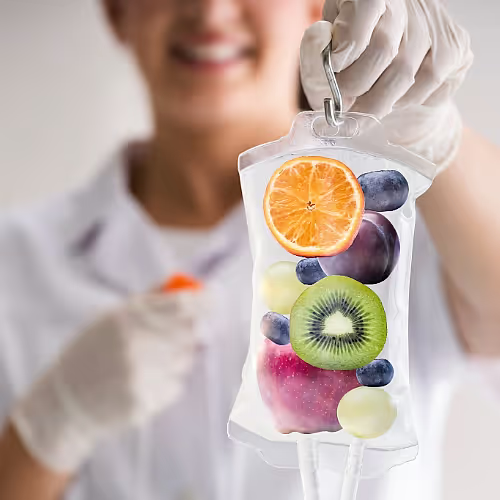
After surgery, your body’s fluid needs can shift in unexpected ways. Nausea, pain, and changes in appetite often make it harder to drink enough, leading to symptoms like headache, dry mouth, and fatigue. IV fluids after surgery are sometimes considered when oral hydration is not keeping up. Balanced electrolyte IV fluids, such as those used at The DRIPBaR, are designed to support hydration and restore key minerals. This can help you feel steadier and more comfortable as you recover. However, IV hydration is not a cure-all and does not replace nutrition or prescribed medications. It is most helpful when used as part of a broader recovery plan, always under your surgeon’s guidance.
Post op IV hydration: common questions
Post op IV hydration is a topic many people ask about after leaving the hospital. Questions often center on when it is safe to start, which fluids are best, and how to know if you are a good candidate. The answers depend on your procedure, current symptoms, and your surgeon’s recommendations. Some clients wonder if IV fluids can support recovery or reduce swelling, but it is important to set realistic expectations. Hydration can support comfort and energy, but it does not guarantee faster recovery. Always bring your discharge instructions and ask your surgeon about any restrictions before booking a session.
Balanced electrolyte IV fluids explained
Balanced electrolyte IV fluids contain sodium, potassium, calcium, and other minerals. These ingredients help maintain fluid balance and support normal muscle and nerve function. They are different from plain water infusions.
Lactated Ringers IV is a common choice for post-surgery hydration. It closely matches the body’s natural plasma, supporting both hydration and electrolyte needs. This fluid can be helpful when oral intake is inconsistent. Always confirm with your surgeon before considering any IV therapy.
Post surgery dehydration symptoms can be subtle or obvious. Headache, lightheadedness, dry mouth, and fatigue are common signs. Some people also notice muscle cramps or trouble sleeping. If you experience severe symptoms like chest pain or confusion, seek medical care immediately. Mild symptoms may improve with guided hydration support.
What to ask your surgeon
Before booking IV hydration, ask your surgeon about clearance and timing. Find out if you have any fluid restrictions or swelling concerns. Ask if your medications interact with hydration or electrolytes. Clarify which symptoms should prompt you to call your surgical team. Bring your discharge instructions to your appointment for reference.
It is important to discuss any history of kidney, heart, or blood pressure issues. Your surgeon can advise if IV fluids are safe for your situation. Some medications or complications may require extra caution. Open communication ensures your wellness support aligns with your medical care.
If you are medically stable, cleared by your surgeon, and struggling with oral hydration, IV support may be an option. The DRIPBaR’s approach is hydration-first, focusing on balanced fluids and careful screening. Licensed professionals review your symptoms, procedure details, and medication list before starting. This helps keep your session safe and tailored to your needs. Remember, IV hydration is not for urgent or severe symptoms. Always prioritize your surgeon’s instructions and seek medical care if you are unsure.
What to expect next
During your visit, the process for IV hydration after surgery is straightforward. A licensed professional will review your intake and discuss your recovery goals. The session includes monitoring for comfort and safety throughout. You may notice a steadier feeling or improved hydration as the fluids are administered. Individual responses vary, especially in the post-op period.
The DRIPBaR’s post-op support model is structured and guided. Intake conversations focus on your procedure, symptoms, and current medications. Hydration-first sessions use balanced fluids, with optional add-ons only if appropriate. Your comfort and safety remain the top priorities. After your session, you will receive guidance on hydration habits and when to contact your surgeon.
Potential side effects of IV therapy include mild discomfort, bruising, or vein irritation. Rarely, swelling or infection can occur at the IV site. Licensed professionals use sterile techniques to minimize risks. Always report any pain, burning, or unusual symptoms during your session.
Home hydration tips
Consistent hydration at home supports your recovery between sessions. Sip fluids regularly rather than drinking large amounts at once. Use electrolyte drinks if your surgeon approves, especially if your intake is low. Pair fluids with small meals to support comfort. Track signs like thirst, dry mouth, and energy levels to monitor your progress.
- Steady sipping: Drink small amounts of fluid throughout the day.
- Electrolyte support: Use approved electrolyte drinks if oral intake is low.
- Meal pairing: Combine fluids with snacks or meals for better tolerance.
- Symptom tracking: Watch for signs of dehydration like dizziness or fatigue.
Managing post surgery dehydration symptoms
Dehydration after surgery can make recovery feel harder. Symptoms like headache, dry mouth, and lightheadedness often signal that your fluid balance is off. IV fluids after surgery may help when drinking enough is difficult. Always check with your surgeon before seeking wellness hydration. If symptoms are severe or do not improve, contact your medical team promptly. Early attention to hydration can support a smoother recovery.
Balanced electrolyte IV fluids are designed to restore hydration and key minerals. Sodium, potassium, calcium, and magnesium each play a role in how your body feels day to day. When oral intake is limited, these fluids can help maintain stability. The DRIPBaR uses Lactated Ringers IV as a base for many post-op sessions. This approach supports comfort without replacing other aspects of your recovery plan.
If you feel puffy but also thirsty or tired, you are not alone. Swelling and dehydration can happen together after surgery. Always discuss swelling with your surgical team before booking IV hydration. Do not self-manage significant swelling or sudden changes. Your safety comes first, and professional guidance is essential.
Athletes and those with special medical considerations should check rules and restrictions before booking. Some sports limit IV infusions unless medically necessary. If you have questions about testing or documentation, consult your team’s medical staff. The DRIPBaR team can help clarify what is appropriate for your situation. Always disclose your full medical history during intake.
Add-ons and ingredient options
Post-surgery recovery is not the time for aggressive add-ons. Any additional ingredients, such as vitamin C or B-complex, should be considered only if they fit your recovery goals and are approved by your surgeon. Magnesium and amino acids may be discussed for muscle or energy support. Ingredient selection is always guided by your intake and screening. People with kidney or heart concerns require extra caution.
The DRIPBaR’s approach is conservative and personalized. Add-ons are optional and never pushed. Your safety and comfort are the main priorities. If you have questions about specific nutrients, ask during your intake session. Licensed professionals will help you understand what fits your needs. Always follow your surgeon’s advice regarding supplements and hydration.
Oral hydration remains the foundation for most people after surgery. IV hydration is a tool for those who cannot meet their needs by drinking alone. It is especially useful when nausea, low appetite, or disrupted routines make oral intake difficult. Balanced fluids support hydration and electrolytes together in a guided setting. Over time, building daily habits will support your long-term recovery.
Constipation is common after surgery and can worsen with dehydration. Follow your surgeon’s bowel routine and maintain steady fluid intake. Seek medical guidance if constipation becomes severe.
Nausea and low appetite often make hydration challenging after surgery. Small, frequent sips and cold fluids may be easier to tolerate. Electrolyte solutions can sometimes help more than water alone. Avoid very sweet drinks if they worsen your symptoms. If you cannot keep fluids down, contact your surgical team. Your comfort and safety are always the priority.
Safety and screening tips
If you are coming from Foxborough, it is a quick six-minute drive to our location. Many clients appreciate the convenience when they need post-op support close to home. Always bring your discharge instructions, medication list, and allergy information to your appointment. This helps our team provide safe, personalized care.
Screening before IV hydration is essential for your safety. Disclose all medications and recent procedures during intake. Open communication helps us tailor your session to your needs.
Red-flag symptoms require immediate medical attention, not a wellness session. Chest pain, severe shortness of breath, confusion, or uncontrolled bleeding are urgent. Rapid swelling, fever with chills, or persistent vomiting also need prompt evaluation. If you are unsure about a symptom, contact your surgical team first. Wellness hydration is only for stable clients without urgent concerns. Your safety is always the top priority.
Checklist for booking safely
Book a wellness hydration session only if you are medically stable and cleared by your surgeon. Make sure you have no red-flag symptoms and are following all instructions. Your symptoms should fit a dehydration pattern, and oral hydration should not be working well. If you have any doubts, call your surgeon first. This checklist helps keep your recovery on track.
Bring your discharge instructions and medication list to your appointment. Be ready to discuss your symptoms and when they started. This information supports safe and effective care.
Ask the wellness team which fluids are being used and why. Clarify how your plan will be adjusted for your procedure and symptoms. Understanding the process helps you feel more comfortable.
During your session, a licensed professional will monitor your comfort and hydration status. You can relax in a calm, supportive environment. Afterward, you will receive tips for maintaining hydration at home. If any symptoms worsen, contact your surgeon promptly.
When to call first
Call your surgeon or seek medical care if you have severe, worsening, or unusual symptoms. Fever with chills, incision changes, or spreading redness are warning signs. Chest pain, shortness of breath, fainting, or severe palpitations require urgent attention. Vomiting that helps avoid fluid intake is also a red flag. Never ignore symptoms that feel out of the ordinary. Your surgical team is your best resource for urgent questions.
If you are unsure about a symptom, err on the side of caution and call your surgical team. Wellness hydration is not a substitute for medical evaluation. Your safety comes first at every step.
A structured, guided approach to post-op hydration supports both comfort and safety. The DRIPBaR team is here to help you navigate recovery with confidence. Bring your questions and concerns to your intake session. We are committed to supporting your wellness journey. Every recovery is unique, and your plan should reflect your needs.
Balanced fluids and careful screening are the foundation of safe post-surgery hydration. Licensed professionals work with you to ensure your session fits your recovery stage. Open communication and clear boundaries help you avoid complications. Always prioritize your surgeon’s instructions and medical advice. Wellness support is most effective when it complements your overall care plan.
Summary and next steps
IV hydration can support comfort and steadier energy during post-surgery recovery. It does not replace nutrition, sleep, or prescribed medications. Always follow your surgeon’s guidance and seek medical care for urgent symptoms. Wellness hydration is a tool, not a cure-all.
If you are interested in learning more, contact our team for a walkthrough of the process. We are here to answer your questions and help you decide if IV hydration fits your recovery plan. Every session is personalized to your needs.
Post op IV hydration: practical advice
Plan ahead by discussing hydration options with your surgeon before your procedure. Bring all relevant information to your first session. Follow up with your wellness team if you have questions or concerns. Consistency and communication are key to a smooth recovery.
If you are considering IV hydration after surgery, remember it is just one part of your recovery. Use it as a complement to your surgeon’s plan, not a replacement. Balanced fluids can help when oral intake is not enough. Always prioritize safety and open communication.
Supporting your recovery journey
Recovery after surgery is a process, not a race. Listen to your body and give yourself time to recover. Use hydration support as needed, but do not overlook nutrition, rest, and gentle movement. The DRIPBaR team is here to guide you through each step. We focus on comfort, safety, and helping you feel your best. Reach out if you have questions or want to learn more about your options.
Balanced electrolyte IV fluids are most effective when used thoughtfully. Always check with your surgeon before booking a session. Share your full medical history and current symptoms with your wellness team. This helps ensure your care is safe and appropriate. Your recovery is unique, and your plan should reflect your needs.
When to seek extra support
If you notice new or worsening symptoms during recovery, contact your surgical team promptly. Severe pain, swelling, or changes at your incision site require medical evaluation. Persistent vomiting or inability to keep fluids down are also red flags. Do not wait to seek help if you are concerned. Wellness hydration is only for stable clients without urgent symptoms. Your safety is always the priority.
Use the checklist provided earlier to decide if wellness hydration is right for you. If you meet all criteria and are cleared by your surgeon, book your session with confidence. Bring your questions and concerns to your intake appointment. The DRIPBaR team is here to support your recovery. Open communication helps us provide the best care.
If you are ever unsure about a symptom or next step, reach out to your medical team first. Wellness support is most effective when it complements your overall care plan. Your recovery is a partnership between you, your surgeon, and your wellness team. Stay proactive and informed for the best results.
Final thoughts on post-op hydration
IV hydration can be a helpful tool for supporting comfort and energy after surgery, especially when oral intake is limited. It is not a replacement for nutrition, prescribed medications, or follow-up care. Always prioritize your surgeon’s guidance and communicate openly with your wellness team. The DRIPBaR is here to provide safe, guided support tailored to your needs. Every recovery journey is unique, and your plan should reflect your individual situation. Take each step with care and confidence.
Thank you for considering The DRIPBaR Foxboro for your recovery support. We are committed to providing a welcoming, professional environment. Your comfort and safety are our top priorities.
If you have questions or want to learn more, reach out to our team. We are here to help you navigate your recovery with confidence.
Driving Directions From Foxborough
Visit The DRIPBaR Foxboro for post-op support today
- Start at Foxborough, Massachusetts, USA.
- Continue to Mechanic St. (About 256 ft / 25 seconds)
- Continue to Central St. (About 1.0 mile / 3 minutes)
- Follow Central St to your destination. (About 1.5 miles / 3 minutes)
- Arrive at The DRIPBaR Foxboro, 10 Foxborough Blvd, Foxborough, MA 02035, United States.
Ready to take the next step
If you are considering IV hydration as part of your recovery, our team is here to walk you through every step. We prioritize your comfort and safety from the moment you arrive. Reach out today to schedule your session or ask any questions. Your wellness journey matters to us.
Every recovery is unique, and we are committed to supporting you with personalized, professional care. The DRIPBaR Foxboro is a welcoming space where you can focus on recovery and self-care. Our licensed professionals are ready to guide you through your options and answer your questions. Take the next step toward feeling your best by reaching out to our team. We look forward to being part of your recovery journey.
Building an Antioxidant Glow: Glutathione IV Therapy
This web site is for educational purposes only. It is not intended as a substitute for the diagnosis, treatment and advice of a qualified licensed professional. This site offers people health information and informs them about some of their options, but in no way should anyone consider that this site represents the “practice of medicine.” This site assumes no responsibility for how this material is used. Also note that this website frequently updates its contents, due to a variety of reasons.
At The DRIPBaR Foxboro, your well-being is our top priority. Our Medical Director, (License No: ), leads our licensed providers with expert guidance. While doesn’t see clients on-site, they work closely with our licensed medical professionals, ensuring you receive safe, high-quality, and personalized care during every visit. You’re in trusted hands with a team dedicated to helping you feel your best.
- Terms of Use
- Privacy Policy
- Accessibility
- Sitemap
- (508) 368-4388
- Text Us
- Book Appointment
- Get Directions
- Message Us
- Current Promos
- (508) 368-4388
- Text Us
- Book Appointment
- Get Directions
- Message Us
- Current Promos