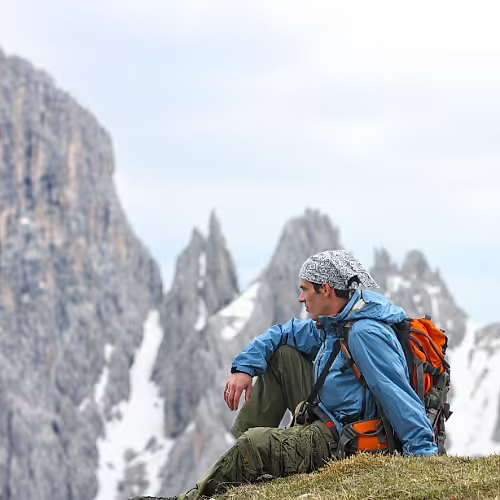

Struggling to adjust at high altitude?
Altitude sickness can catch you off guard when your body faces lower oxygen at higher elevations. Symptoms like headache, nausea, or fatigue may appear quickly and disrupt your plans. Preparing in advance and knowing your options can help you manage these challenges more effectively.
Feel Your Best at High Elevations
Support for altitude recovery.
The DRIPBaR Foxboro provides IV therapy to help restore hydration, balance electrolytes, and deliver nutrients that support your body’s adaptation to altitude. These therapies can help reduce fatigue, ease discomfort, and promote a smoother transition to high elevations. By replenishing fluids and key vitamins, you may experience improved energy and faster recovery after altitude exposure. This supportive approach can make acclimatization more manageable for travelers and outdoor enthusiasts.
If you are planning a mountain trip or returning from time at elevation, The DRIPBaR Foxboro offers services tailored to your needs. Our team will help you explore options that fit your wellness goals and travel plans. Book your appointment to prepare for your next adventure or recover after altitude exposure. Take the next step to support your body at higher elevations.
Did you know?
Even healthy individuals can develop altitude sickness within hours of reaching elevations above 8,000 feet.
Understanding Altitude Sickness Risks
Altitude sickness develops when your body cannot adjust quickly enough to lower oxygen levels found at higher elevations, typically above 8,000 feet. The resulting oxygen deficit can disrupt normal body functions, leading to symptoms like headache, fatigue, and nausea. Rapid ascent, dehydration, and physical exertion increase the likelihood of developing symptoms. Recognizing early warning signs and taking practical steps can help you manage altitude sickness responsibly.
Common triggers include traveling too quickly to mountain destinations, skipping acclimatization, or engaging in strenuous activity soon after arrival. Preventive measures focus on gradual ascent, staying hydrated, and resting during the first day at altitude. If symptoms worsen or do not improve, seeking medical attention is important. Responsible management centers on prevention, early recognition, and supportive care.
Common Symptoms of Altitude Sickness
Symptoms of altitude sickness often begin within hours of arriving at high elevation and may be mild or severe. Headache, nausea, dizziness, and fatigue are common early signs, sometimes accompanied by shortness of breath or swelling in the hands and face. These symptoms can make it difficult to enjoy travel or outdoor activities, especially if they persist.
As your body continues to adapt, symptoms may intensify, leading to insomnia or trouble concentrating. Physical exertion and dehydration can worsen discomfort, and in rare cases, altitude sickness may progress to serious complications like high-altitude cerebral or pulmonary edema. Monitoring your condition and adjusting activity levels are important for safety.
Most people recover with rest, hydration, and gradual acclimatization, but some may need additional support. If symptoms persist or worsen, descending to a lower altitude is often necessary. Early intervention and preventive measures can help reduce the impact of altitude sickness. Being aware of your body’s response is essential for a safe experience at elevation.
Traditional Treatments
When altitude sickness symptoms develop, the first step is to rest and avoid further ascent until you feel better. Hydration and limiting physical activity can help your body adjust to the lower oxygen environment. Over-the-counter pain relievers may ease headaches, and anti-nausea medications can provide relief if needed. For those at higher risk or with persistent symptoms, preventive medications like acetazolamide may be recommended by a healthcare provider. If symptoms become severe or do not improve with basic measures, descending to a lower altitude is the most effective treatment. In rare cases, supplemental oxygen or hospitalization may be necessary for complications like high-altitude cerebral or pulmonary edema. Most people recover fully with supportive care and gradual acclimatization. Listening to your body and seeking medical attention if symptoms worsen is essential.
How IV Therapy May Help
If you are planning a trip to higher elevations or returning from altitude, IV therapy can help support hydration, restore electrolyte balance, and deliver nutrients that may ease discomfort. These services provide fluids and vitamins directly into your bloodstream, offering rapid replenishment and supporting recovery from fatigue or altitude-related symptoms. The DRIPBaR’s approach is designed to complement healthy habits like gradual ascent and rest, helping you feel more resilient during your travels. While IV therapy does not replace acclimatization or medical care, it can be a valuable addition to your wellness plan. Our team focuses on safe, supervised care and tailors each session to your needs. IV therapy may help reduce symptoms such as headache, fatigue, and muscle tension by targeting hydration and nutrient support. Many clients find these services help them recover more quickly and maintain energy at altitude. If you are considering support before or after high-elevation exposure, IV therapy may fit well into your preparation or recovery routine.
IV Support for Altitude Wellness
Certain IV therapies can help support hydration, restore electrolyte balance, and provide nutrients that assist with adaptation to high elevations. These offerings are designed to ease discomfort and promote faster recovery. They may be especially helpful before or after travel to mountain destinations.
Jetsetter
Ascorbic Acid (Vitamin C), Methylcobalamin (B12), B-Complex, Folic Acid (Vitamin B9), Zinc
Jetsetter offers targeted hydration and essential nutrients to help the body recover from the stresses of travel. It replenishes fluids, electrolytes, and antioxidants to combat fatigue and support immune defenses. The infusion also promotes mental clarity and helps reset the body’s natural rhythms. This comprehensive approach supports physical and cognitive recovery after long flights or busy itineraries. It is suitable for frequent travelers seeking to maintain wellness and energy. The treatment is administered by licensed providers in a comfortable setting. Regular sessions can help sustain resilience through ongoing travel demands.
Read moreRestoration
Ascorbic Acid (Vitamin C), Magnesium, Calcium, Zinc, Methylcobalamin (B12), B-Complex, Taurine
Restoration delivers hydration and key nutrients directly into the bloodstream to support cellular energy and immune function. Ingredients such as Magnesium, Calcium, and Vitamin C help replenish electrolytes and antioxidants. This infusion aids in reducing fatigue and promoting muscle relaxation. It is designed for those seeking to improve overall wellness and recovery. Restoration supports mental clarity and physical balance through targeted nutrient replenishment.
This place is so amazing. The staff are super helpful with everything. I originally came in unsure about injections, because they seem super sketchy, but they were so helpful in helping me understand my own needs and how each injection works. They aren’t pushy and won’t pressure you into trying something, which a lot of people do at other places or online. They care a lot about making sure you get what your body needs. The pricing is reasonably affordable and service is 10/10.
Jane who works the front desk at the Drip Bar is pleasant. She made sure I was taken care of when I came to use the sauna every time! The sauna is down at Fit factory and she made a point to assist me, reach out, and had a positive attitude every time I speak to her. Also, the NP was kind! I don’t use the IV feature but I might consider it since they are personable!
The DRIPBaR in Foxboro is Amazing! I have been receiving IV therapy for over 10 yrs, and it has been a life changing part of my wellness regime. The quality of products, the environment, and staff are absolutely incredible. I would highly recommend this facility and IV therapy. Thank you to everyone at the Foxboro location for providing exceptional customer service!
Great experience at the dripbar, staff was friendly, accommodating and knowledgeable and they have a great array of products. Will definitely come back. Thank you
Being a first timer didn’t know what to expect. Everyone was so kind and helpful. Definitely will be back this month.
Nice experience
Super friendly staff were helpful and professional. Setting was clean, casual, and relaxed. Had a quick, low stress experience, and I highly recommend paying them a visit!
Energy levels boosted almost instantly. I love having access to this service in a clean, welcoming and stylish space.
We leave in Providence and we drove all way to the Foxboro place just to get the excellent service. Thank you 😊
The staff is knowledgeable and friendly. I always feel better when I leave. Highly recommend.
Read more
Ready to Get Started?
Feel your best with a treatment designed to support your goals! Whether you’re looking for hydration, energy, immune support, recovery, or overall wellness, our team will help you choose the right option and make sure your experience is comfortable from start to finish. Click the Book Appointment button below to pick your reserve a time that fits your schedule.
What habits help maintain energy after altitude exposure?
Maintaining energy after altitude exposure involves staying hydrated, eating balanced meals, and getting enough rest. Regular gentle activity can support ongoing adaptation. Monitoring your well-being and adjusting your routine as needed are important. Consistent healthy habits promote lasting results.
This web site is for educational purposes only. It is not intended as a substitute for the diagnosis, treatment and advice of a qualified licensed professional. This site offers people health information and informs them about some of their options, but in no way should anyone consider that this site represents the “practice of medicine.” This site assumes no responsibility for how this material is used. Also note that this website frequently updates its contents, due to a variety of reasons.
At The DRIPBaR Foxboro, your well-being is our top priority. Our Medical Director, (License No: ), leads our licensed providers with expert guidance. While doesn’t see clients on-site, they work closely with our licensed medical professionals, ensuring you receive safe, high-quality, and personalized care during every visit. You’re in trusted hands with a team dedicated to helping you feel your best.
- Terms of Use
- Privacy Policy
- Accessibility
- Sitemap
- (508) 368-4388
- Text Us
- Book Appointment
- Get Directions
- Message Us
- Current Promos
- (508) 368-4388
- Text Us
- Book Appointment
- Get Directions
- Message Us
- Current Promos