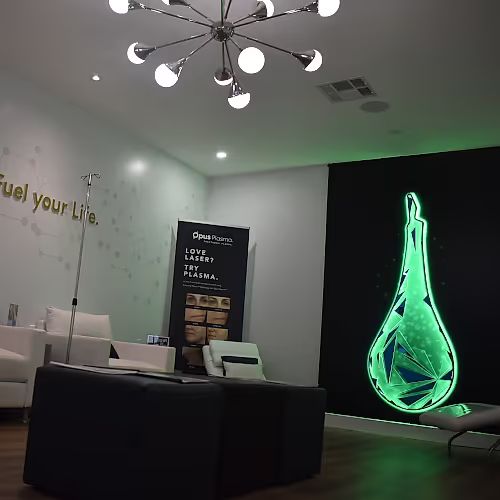

For those making the short drive from Airport Plaza Shopping Center, it is easy to fit a wellness visit into your day. Reviewing a Parkinson’s lab tests checklist can help you and your healthcare provider personalize nutrition, hydration, and supplement plans. This approach focuses on practical steps, not just numbers, to support your unique needs. By connecting lab results to real-life routines, you can build habits that feel manageable and meaningful. Each visit is a chance to check in, adjust, and keep your wellness plan on track.
Why vitamin D testing Parkinson’s matters
Vitamin D plays a crucial role in bone strength, muscle function, and immune support, all of which are especially important for people with Parkinson’s disease. Low vitamin D levels can increase the risk of falls and make it harder to maintain mobility. Testing for vitamin D helps identify gaps that might otherwise go unnoticed, allowing for more targeted support. The standard test, 25-hydroxyvitamin D, gives a clear picture of your current status. Results are best interpreted alongside your symptoms, diet, and medications. Consistent supplementation, when needed, should always be guided by a licensed professional. Regular rechecks ensure your plan remains safe and effective.
B12 testing Parkinson’s disease and more
Vitamin B12 is essential for nerve health, energy production, and red blood cell formation. People with Parkinson’s often face unique risks for low B12, including age-related absorption changes and certain medications. Testing B12 levels, along with related markers like methylmalonic acid and homocysteine, provides a fuller picture of your nutritional status. Borderline or low results can explain symptoms such as fatigue or brain fog. Addressing B12 gaps with a simple, clinician-aligned plan helps avoid unnecessary supplement stacking. Tracking changes over time ensures your routine stays effective. Always discuss new symptoms or supplement changes with your wellness team.
Folate levels checklist
Folate supports red blood cell production and cellular function. Testing both serum and red blood cell folate offers insight into recent and longer-term status. Low folate can contribute to fatigue and anemia. It is important to review B12 status alongside folate. This approach helps you avoid missteps.
A practical Parkinson’s wellness lab checklist includes vitamin D, B12, folate, and key metabolic markers. Comprehensive metabolic panels and complete blood counts provide a foundation for safe planning. Fasting glucose, HbA1c, and thyroid markers help explain fatigue and brain fog. Iron studies and inflammation markers are added based on symptoms. Reviewing patterns, not just single numbers, leads to better decisions.
Metabolic panel results can reveal hidden contributors to fatigue, dizziness, or brain fog. Kidney and liver markers guide safe supplement and hydration strategies. Blood sugar and thyroid results help explain energy swings. These insights allow for more personalized routines. Regular tracking and follow-up keep your plan on course.
Metabolic panel essentials
A comprehensive metabolic panel checks kidney, liver, and electrolyte status. These values are essential for safe supplement and hydration planning. Results influence how you manage dizziness and energy. Always share your full supplement list with your wellness provider.
Fasting glucose and HbA1c are key for understanding blood sugar stability. These markers can explain fatigue, brain fog, and mood changes. Tracking trends over time is more useful than a single result. Consistency in lab timing helps spot real changes.
HbA1c and brain fog Parkinson’s link
Many people are surprised to learn that Parkinson’s lab tests can highlight blood sugar patterns linked to brain fog. Even mild glucose instability may affect mental clarity and daily energy. Reviewing these markers with your healthcare provider can reveal new ways to support focus.
HbA1c reflects average blood sugar over several weeks, offering a broader view than a single fasting glucose test. For people with Parkinson’s, stable blood sugar can mean steadier energy and fewer fatigue crashes. If your results show instability, small changes in meal timing or composition may help. Adding more protein and fiber at breakfast is a common first step. Always align any changes with your wellness specialist.
Brain fog and fatigue are common concerns for those living with Parkinson’s. Lab results can help distinguish between symptoms caused by the condition itself and those related to nutrition, hydration, or metabolic shifts. This distinction is important for building a plan that actually fits your needs. By focusing on patterns across several markers, you can avoid unnecessary supplements and focus on what matters most. Regular check-ins help ensure your plan remains safe and effective.
Parkinson’s wellness lab checklist
A practical checklist for Parkinson’s wellness includes a complete blood count, comprehensive metabolic panel, vitamin D 25(OH)D, serum B12, and folate. Functional markers such as methylmalonic acid and homocysteine are added when needed. Fasting glucose, HbA1c, and thyroid markers help explain fatigue and cognitive changes. Iron studies, inflammation markers, and urine testing are considered based on symptoms. Reviewing these labs with your healthcare provider helps personalize your routine. Patterns over time are more informative than single results. Always discuss new symptoms or concerns with your provider.
- Baseline labs: CBC with differential and metabolic panel for safety context.
- Vitamin D check: 25(OH)D to assess bone and muscle health.
- B12 status: Serum B12 and functional markers for nerve support.
- Folate review: Serum and RBC folate for red blood cell health.
- Glucose markers: Fasting glucose and HbA1c to track energy stability.
- Thyroid function: TSH and related tests for fatigue and mood.
- Iron studies: Ferritin and related markers if anemia is suspected.
- Inflammation screen: CRP, ESR, and urine testing when symptoms suggest infection.
Personalizing your wellness lab checklist
Interpreting lab results is about more than hitting target numbers. Your wellness team will look for patterns that match your symptoms, medications, and routines. This approach helps avoid unnecessary supplement stacking. If a marker is borderline, follow-up testing or a simple change may be recommended. Always track how you feel as you adjust your plan. Consistent routines and regular reviews make the biggest difference.
If vitamin D is low, a daily supplement with meals and more sunlight exposure may be suggested. For low B12, targeted repletion and meal timing can help improve energy. Folate gaps are best addressed with food-first strategies and B12 awareness. Blood sugar instability calls for balanced meals and steady hydration. Kidney or liver concerns require extra caution with supplements.
Wellness clinics like The DRIPBaR Aberdeen can support your routine with hydration sessions and calm recovery services. These offerings help reinforce consistency and comfort. They do not address Parkinson’s disease. Instead, they provide a supportive environment for building healthy habits.
Tracking your symptoms daily can help you and your healthcare provider spot trends and make timely adjustments. Simple tools like a fatigue or brain fog scale, hydration log, and meal tracker are useful. Monthly reviews help you see what is working and what needs to change. This process keeps your wellness plan flexible and responsive. Small, steady changes often lead to the best results.
Parkinson’s wellness lab checklist summary
A monthly plan can make lab-informed wellness routines easier to follow. Start by establishing a baseline with hydration, protein-rich breakfasts, and consistent sleep. In week two, add one targeted change, such as a vitamin D or B12 plan if needed. Week three is a good time to try a supportive clinic session or recovery service. By week four, review what has helped and plan your next steps. This cycle keeps your routine simple and focused on what works for you.
Common mistakes include skipping labs while adding new supplements, taking high doses of vitamin D without monitoring, and ignoring borderline B12 results. Always review both folate and B12 together. Balanced meals and hydration are key for steady energy. Use your lab results to guide decisions and avoid guesswork.
If you notice sudden confusion, severe dizziness, or new symptoms, seek medical evaluation. Lab testing is not a substitute for urgent care. Always prioritize safety and communicate changes to your wellness provider.
Folate, metabolic panel, and safety tips
We often see guests from Airport Plaza Shopping Center who appreciate how easy it is to fit a wellness session into their schedule. Folate and metabolic panel results are key for safe supplement and hydration planning. These labs help identify gaps that may contribute to fatigue or dizziness. Always share your full medication and supplement list with your provider. This ensures your plan is both safe and effective. Consistent follow-up visits help keep your wellness goals on track.
Safety comes first when making changes to your supplement or hydration routine. Kidney and liver markers provide important context for these decisions. If you have complex health needs, coordinate closely with your wellness team. Never ignore sudden or severe symptoms.
When reviewing lab results, ask which markers are clearly low or high and what actions are recommended. Discuss any borderline results and whether follow-up testing is needed. Bring up symptoms like fatigue, brain fog, or dizziness to guide the conversation. Your healthcare provider can help you decide which changes make sense. Regular check-ins help you stay on track.
Translating labs into routines
If vitamin D is low, build a daily routine that includes supplementation with meals and more sunlight when possible. For B12 gaps, discuss whether oral or injectable forms are best for you. Folate issues are often addressed with food-first strategies and B12 awareness. Blood sugar instability calls for balanced meals and steady hydration. Kidney or liver concerns require extra caution with supplements and hydration routines.
A wellness clinic can help you stay consistent by offering hydration sessions and calm recovery services. These visits support your routine but do not address Parkinson’s disease. Always coordinate supplement changes with your provider.
Tracking your symptoms and routines helps you see what is working. Use a simple daily log for fatigue, brain fog, hydration, and meals. Monthly reviews make it easier to adjust your plan. This approach keeps your wellness strategy flexible.
If you are new to lab-informed wellness routines, start with a baseline panel and review the results with your healthcare provider. Make one or two targeted changes and track your progress. Add supportive clinic sessions as needed. Review trends monthly and simplify your plan as you go. This process helps you build a routine that fits your life.
Always seek medical attention for sudden confusion, severe dizziness, or new symptoms. Lab testing is a tool for wellness planning, not a replacement for urgent care. Your safety is the top priority.
Monthly plan for Parkinson’s wellness
A simple monthly plan starts with hydration, protein-rich breakfasts, and a consistent sleep routine. In week two, add a targeted change such as vitamin D or B12 if needed. Week three is a good time to try a supportive clinic session or recovery service. By week four, review what has helped and plan your next steps. This cycle keeps your routine simple and focused on what works for you. Regular tracking and follow-up make adjustments easier.
Tracking your daily symptoms and routines helps you and your healthcare provider spot trends. Use a simple log for fatigue, brain fog, hydration, and meals. Monthly reviews make it easier to adjust your plan. This approach keeps your wellness strategy flexible.
Red flags and urgent symptoms
Seek immediate medical attention for sudden confusion, hallucinations, fainting, or severe dizziness. Fever, chest pain, or persistent vomiting also require urgent care. Lab testing cannot replace emergency evaluation. Always prioritize your safety.
Key takeaways include the importance of a personalized lab checklist for Parkinson’s wellness. Vitamin D, B12, folate, and metabolic markers help identify modifiable contributors to fatigue, brain fog, and dizziness. Kidney and liver markers provide safety context for supplement and hydration strategies. The DRIPBaR Aberdeen supports your routine with hydration and recovery services. Medical management remains with your healthcare team.
Parkinson’s wellness lab checklist recap
A personalized lab checklist helps you and your healthcare provider make informed decisions about nutrition, supplements, and hydration. Regular reviews keep your plan safe and effective. Focus on patterns, not just single numbers. Consistency and follow-up are key for long-term wellness.
Remember, Parkinson’s lab tests are a tool for building a more confident wellness routine. Use your results to guide changes and avoid unnecessary supplements. Always discuss new symptoms or concerns with your provider.
Building your wellness plan
Start by establishing a baseline with hydration, balanced meals, and consistent sleep. Add one targeted change at a time, such as vitamin D or B12 support if needed. Try a supportive clinic session or recovery service to reinforce your routine. Review your progress monthly and adjust as needed. This approach keeps your plan simple and effective.
If you are ready to take the next step, consider scheduling a wellness session at The DRIPBaR Aberdeen. Our team is here to support your routine with hydration and recovery services. We welcome new and returning guests alike.
Next steps for personalized wellness
Talk with your wellness provider about which labs make sense for you. Share your full medication and supplement list to ensure safety. Use your results to guide targeted changes. Track your symptoms and routines for better insights. Consistent follow-up helps you stay on track.
Wellness routines are most effective when they are simple and sustainable. Focus on one or two changes at a time. Review your progress regularly with your healthcare provider. Adjust your plan as needed for the best results.
If you have questions about lab testing or wellness planning, reach out to The DRIPBaR Aberdeen. Our team is dedicated to helping you build a routine that fits your needs. We offer a calm, supportive environment for every visit. Your comfort and confidence are our priorities.
Connect with The DRIPBaR Aberdeen
Ready to get started? Schedule your first session and see how a personalized approach can support your wellness goals. Our team is here to answer your questions and help you plan your next steps. We look forward to welcoming you.
The DRIPBaR Aberdeen is committed to supporting your wellness journey. Whether you are new to lab-informed routines or looking to refine your plan, we are here to help. Reach out today to learn more about our services and how we can support your goals.
Driving Directions From Airport Plaza Shopping Center
Visit The DRIPBaR Aberdeen today
- From Airport Plaza Shopping Center, 1390 NJ-36, Hazlet, NJ 07730, head toward NJ-36 S. (About 49 ft / 3 sec)
- Continue on NJ-36 N. (Part of the 3.9 mile segment / about 10 min)
- Take Lloyd Rd toward Overlea Ln in Aberdeen Township. (Part of the 3.9 mile segment)
- Take Ormont Ln toward Lloyd Rd. (About 0.3 miles / 1 min)
- Turn left at the 1st cross street onto Lloyd Rd.
- The destination will be on the right. (About 66 ft / 31 sec)
- Arrive at The DRIPBaR Aberdeen, 272 Lloyd Rd, Aberdeen Township, NJ 07747.
Start your wellness journey today
Take the first step toward a more confident wellness routine by scheduling your session at The DRIPBaR Aberdeen. Our team is ready to help you personalize your plan and answer any questions. Check your calendar for a time that works for you. We look forward to supporting your goals.
Your workout recovery shot explained
This web site is for educational purposes only. It is not intended as a substitute for the diagnosis, treatment and advice of a qualified licensed professional. This site offers people health information and informs them about some of their options, but in no way should anyone consider that this site represents the “practice of medicine.” This site assumes no responsibility for how this material is used. Also note that this website frequently updates its contents, due to a variety of reasons.
At The DRIPBaR Aberdeen, your well-being is our top priority. Our Medical Director, Carrie Carda (License No: 1992777957, NJ), leads our licensed providers with expert guidance. While Carrie Carda doesn’t see clients on-site, they work closely with our licensed medical professionals, ensuring you receive safe, high-quality, and personalized care during every visit. You’re in trusted hands with a team dedicated to helping you feel your best.
- Terms of Use
- Privacy Policy
- Accessibility
- Sitemap
- (732) 743-9179
- Text Us
- Book Appointment
- Get Directions
- Message Us
- Current Promos
- (732) 743-9179
- Text Us
- Book Appointment
- Get Directions
- Message Us
- Current Promos