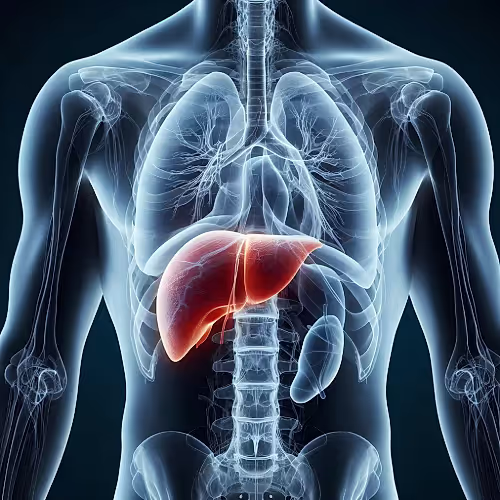

Travel routines often get disrupted, especially for those coming from nearby areas like Aberdeen. When habits change, it is easy to forget steady hydration or make quick food choices that do not align with your goals. That is why having a plan, such as using travel with fatty liver resources, can help you stay on track. Even a short drive to your destination can throw off routines, so having simple strategies in place is key. Many clients find that a few small adjustments make travel days less stressful. Prioritizing stability over perfection helps you avoid setbacks. With the right approach, you can enjoy your trip and return feeling refreshed.
Hydration While Traveling With Liver Disease
Hydration is a cornerstone of liver wellness, especially when traveling. Irregular drinking patterns, such as skipping fluids to avoid bathroom breaks, can lead to fatigue and headaches. Instead, aim for steady sips throughout the day, starting early and pairing fluids with meals. Avoid chugging large amounts late, as this can disrupt sleep. For those with swelling or sodium concerns, it is important to follow any fluid or electrolyte guidelines from your healthcare provider. Using a leak-proof bottle or a smaller container can make it easier to keep up with your hydration goals. If you are flying or on a long drive, plan stops or breaks to check in on your hydration and movement.
Healthy Eating While Traveling With Fatty Liver
Travel often means eating out more, which can challenge liver-friendly habits. Focus on meals that include protein and vegetables, with sauces on the side and moderate portions of starch. Avoid sugary drinks and opt for water as your default beverage. When options are limited, build a snack pack with a protein source, fruit, and a simple starch to avoid emergency hunger. Restaurant meals can be high in sodium, so balance these with lower-sodium choices earlier or later in the day. Eating a small protein snack before social events helps you avoid overeating. These strategies support steadier blood sugar and help you feel your best.
Sodium Awareness While Traveling
Sodium can sneak into meals when you are on the road, especially at restaurants. High-sodium foods may increase swelling or impact blood pressure for those with liver concerns. Choose simpler dishes, avoid soups and heavy sauces, and ask for sauces on the side to help manage sodium intake. If you are sensitive to sodium, monitor swelling and weight as advised by your provider. Pair higher-sodium meals with extra hydration and movement. Planning ahead with lower-sodium snacks can help you avoid big swings in fluid retention. Awareness and small adjustments make a difference.
Late-night eating is common during travel and can disrupt sleep and appetite. Set a light kitchen close time if possible. If you need a snack, choose something with protein instead of sugary options.
Alcohol is a frequent part of social events but can worsen liver conditions. If you choose to drink, set a limit in advance and alternate with water. Avoid sugary mixers and do not drink on an empty stomach. Holding a non-alcoholic drink early can reduce social pressure. Focus on connection and activities rather than alcohol-centered events. If you skip alcohol, use a simple script like, ‘I am taking a break for my health.’ Prioritize sleep and recovery routines after social events to help your body reset.
Hydration Tools and Travel Tips
A leak-proof water bottle is essential for travel. Smaller bottles make sipping easier and less noticeable. Measured bottles help those who prefer structure. Travel electrolyte packets can be helpful if already tolerated and sodium goals are considered. Do not try new electrolyte products on travel days. Pair hydration with movement, such as walking during stops, to support circulation and digestion.
On flights, sip steadily and avoid alcohol if liver health is a priority. For road trips, plan stops every 60 to 90 minutes for hydration and movement. Pack lower-sodium snacks to help manage thirst.
Recovery Day Routine After Social Events
After a busy day of travel with fatty liver, a recovery routine can help you get back on track. Start the morning with steady sips of water and a protein-rich breakfast. Gentle movement and sunlight support your energy and mood.
Balanced meals at lunch and dinner, with lower sodium, help stabilize your system. Avoid fasting all day to make up for social eating. Instead, focus on steady hydration and home-cooked options if possible.
A recovery day is not about punishment but about gentle resets. Take a short walk, get some morning light, and avoid heavy caffeine late in the day. Protect your sleep by using a wind-down routine and aiming for an early bedtime. If you feel off, do not crash diet or skip meals. Instead, use balanced, protein-forward meals to support your liver and energy. Avoid shame and focus on getting back to your usual routine. These steps help keep a single event from turning into a week-long setback.
Alcohol and Liver Health Travel
Alcohol reduction is one of the most effective steps for liver wellness. Social situations can make this challenging, but planning ahead helps. Substitute with non-alcoholic drinks and focus on meaningful connections.
- Hydration anchor: Carry a water bottle and sip regularly.
- Protein focus: Include protein at every meal for stability.
- Sodium check: Choose lower-sodium options when possible.
- Movement minimum: Walk or stretch at least twice a day.
- Sleep protection: Use a wind-down routine to support rest.
Liver Wellness Travel Tips
Travel can increase decision fatigue, making cravings harder to manage. Pre-decide on your default breakfast, beverage, and snacks. Use a simple restaurant order template to reduce stress. These habits make healthy choices easier.
Buffet and all-inclusive environments can lead to overeating and high sodium intake. Walk the buffet first and build your plate with protein and vegetables before adding a address. Drink water before eating and stop at comfortable fullness. Social pressure around food and alcohol is common, but simple scripts like ‘I feel better when I keep it simple’ can help. Bring a dish you can eat if it is a shared event. Stand away from the snack table and focus on conversations. These strategies support your goals without feeling left out.
People with swelling, fluid restriction, or low sodium history need special travel adjustments. Follow your sodium and fluid targets closely and avoid high-sodium restaurant meals. Monitor swelling and weight if advised by your provider. Avoid IV hydration services unless specifically guided by a licensed professional. Seek medical attention for rapid swelling, confusion, or severe symptoms. These precautions help keep travel safe and enjoyable. Always coordinate with your healthcare team if you have complex needs.
Sustaining Liver Wellness on the Road
Many guests from Aberdeen appreciate how easy it is to reach our location for wellness support before or after travel. A short drive can make it simple to reset and prepare for upcoming trips. Our team is ready to help you build routines that fit your lifestyle. Consistency is key to long-term liver health.
Packing for liver wellness travel means thinking ahead. Bring a water bottle, safe snacks, and any electrolyte products you already tolerate. Include an eye mask, earplugs, and comfortable shoes for sleep and movement support. A pill organizer and medication list help keep your routine steady.
Movement and Circulation Tips
Movement supports digestion, mood, and metabolic health during travel. Even short walks or stretching sessions count. Take stairs when possible or do a quick mobility routine. Gentle activity helps you avoid stiffness and supports overall wellness.
On flights, stand and walk when safe, and use in-seat ankle pumps to support circulation. For road trips, stop every 60 to 90 minutes for a short walk and gentle hip mobility. Social events are a chance to suggest walking meetups or after-meal strolls. These habits help maintain energy and reduce discomfort. Movement is an easy way to stay on track, even with a busy schedule.
Sleep is often overlooked but is vital for liver wellness, especially after travel or social events. Use a travel sleep kit with an eye mask and earplugs to create a restful environment. Dim lights and practice long-exhale breathing before bed to wind down. Keep caffeine earlier in the day to protect sleep quality. Even a brief wind-down routine can help you fall asleep faster. Prioritize sleep after busy days to reset your energy and appetite. Consistent sleep supports your recovery and helps you return to your usual routine.
Red Flags
Certain symptoms during travel require urgent medical attention. Seek care for vomiting blood, black stools, or new confusion. Severe abdominal pain or rapid swelling should not be ignored. Quick action can make a difference.
Other warning signs include shortness of breath, chest discomfort, fainting, or severe weakness. Inability to keep fluids down or rapidly worsening yellowing of the skin or eyes are also serious. If you notice any of these, seek help immediately. Travel can mask symptoms, so stay alert to changes. Your safety comes first.
Having a plan for emergencies is part of responsible travel. Share your itinerary and emergency contacts with someone you trust. Keep important medical information accessible. Being prepared helps you travel with confidence.
A recovery day after travel is essential for getting back on track. Focus on hydration, balanced meals, and gentle movement. Protect your sleep to support full recovery.
If you have complex medical needs, coordinate your travel plans with your healthcare team. Avoid new supplements or services without guidance. Your routine should support your unique health profile.
Checklist for Liver Wellness Travel
Use a checklist to simplify travel days. Include hydration, protein at meals, and lower-sodium choices. Plan for movement and a wind-down routine at night. These anchors help you stay steady.
For social events, eat a protein snack before arriving and start with water. Use the one-plate strategy with protein and vegetables. Decide on a address ahead of time and keep a non-alcoholic drink in hand. A short walk after meals supports digestion.
Long-Term Wellness Support for Liver Health
Building routines that support liver wellness is a long-term process. Focus on stability rather than perfection, especially during travel and social events. Small, consistent habits make a big impact over time. Our team is here to help you personalize your approach.
After a period of travel with fatty liver, returning to your core habits is key. Use recovery routines to reset hydration, nutrition, and sleep. Avoid extremes and focus on steady progress. Each trip is a chance to practice new strategies and learn what works best for you. Consistency is more important than perfection.
Personalized Support
Every person’s liver wellness journey is unique. Our team listens to your needs and helps you build a plan that fits your lifestyle. Share your goals with us for tailored guidance. We are committed to supporting your progress.
If you are planning a trip or social event, reach out for personalized tips. We can help you prepare with practical strategies for hydration, nutrition, and recovery. Many clients find that a quick conversation helps them feel more confident about their plans. Our goal is to make wellness support accessible and comfortable. Let us know how we can help you stay on track.
Confirmation-Oriented Next Steps
Ready to take the next step in your liver wellness journey? Confirm your preferred time for a visit and lock it in with our team. We make it simple to get started. Your path to feeling better begins with a single conversation.
Our staff is dedicated to providing a calm, professional experience every time you visit. We listen carefully to your needs and answer your questions clearly. Let us help you build routines that support your goals. Reach out today to get started.
Travel and social planning for liver wellness is about building stability, not chasing perfection. Focus on steady hydration, protein-forward meals, sodium awareness, movement, and sleep protection. Use simple templates for restaurant and event success, such as protein plus vegetables and water as your default beverage. Recovery-day routines help you avoid setbacks and keep you moving forward. Alcohol reduction is a powerful lever, and social scripts make it easier to stick to your goals. If you have advanced liver disease or complex needs, coordinate with your healthcare team for safe travel planning.
Explore More on Liver Wellness and Travel
Additional Related Resources
For more information on hydration and how to recognize when you might need extra care, visit this helpful guide on dehydration signs to watch while traveling. It explains symptoms in plain language and offers practical advice for staying safe on the go.
If you want to understand why sleep is so important for recovery after travel or social events, check out why sleep matters for recovery days. This resource connects sleep habits to overall health and supports the routines discussed in this article.
Your workout recovery shot explained
This web site is for educational purposes only. It is not intended as a substitute for the diagnosis, treatment and advice of a qualified licensed professional. This site offers people health information and informs them about some of their options, but in no way should anyone consider that this site represents the “practice of medicine.” This site assumes no responsibility for how this material is used. Also note that this website frequently updates its contents, due to a variety of reasons.
At The DRIPBaR Aberdeen, your well-being is our top priority. Our Medical Director, Carrie Carda (License No: 1992777957, NJ), leads our licensed providers with expert guidance. While Carrie Carda doesn’t see clients on-site, they work closely with our licensed medical professionals, ensuring you receive safe, high-quality, and personalized care during every visit. You’re in trusted hands with a team dedicated to helping you feel your best.
- Terms of Use
- Privacy Policy
- Accessibility
- Sitemap
- (732) 743-9179
- Text Us
- Book Appointment
- Get Directions
- Message Us
- Current Promos
- (732) 743-9179
- Text Us
- Book Appointment
- Get Directions
- Message Us
- Current Promos