
Struggling with low energy and stamina?
Feeling tired or short of breath can make daily activities challenging. These symptoms may be linked to how your heart and blood vessels are functioning. Addressing underlying cardiovascular health can help you regain energy and improve your quality of life.
Support Heart Health and Circulation
Targeted support for heart wellness.
The DRIPBaR offers specialized IV therapies designed to help support cardiovascular wellness by delivering essential nutrients directly to your bloodstream. These therapies may help reduce oxidative stress, promote healthy circulation, and assist in the recovery process after cardiac events. By focusing on hydration and replenishing key vitamins and minerals, our approach aims to help you feel more energized and resilient. Many clients find this integrative support complements their existing heart health routines.
Our team at The DRIPBaR Aberdeen will work with you to identify options that align with your wellness goals and lifestyle. Regular sessions can help you maintain steady energy levels and support your body’s natural defenses against vascular stress. If you are interested in proactive cardiovascular care or need extra support during recovery, we invite you to book an appointment today.
Did you know?
Cardiovascular disease is the leading cause of death worldwide, affecting millions of adults each year.
Understanding Cardiovascular Disease
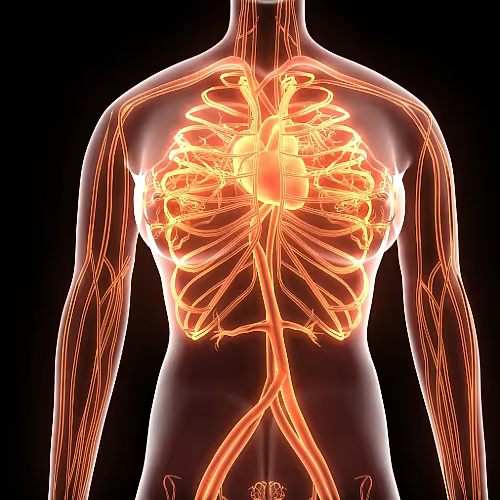
Cardiovascular disease refers to a group of conditions that impact the heart and blood vessels, such as coronary artery disease, hypertension, and stroke. These disorders often develop due to atherosclerosis, where plaque builds up in the arteries, restricting blood flow and increasing the risk of heart attack or stroke. Symptoms can vary but may include chest discomfort, fatigue, irregular heartbeat, or swelling in the extremities. Early detection and management are important for reducing complications.
Common triggers include high blood pressure, high cholesterol, smoking, diabetes, and a sedentary lifestyle. Managing cardiovascular health involves regular exercise, balanced nutrition, and stress reduction. Traditional medical care may include medications, lifestyle changes, and sometimes surgical procedures. Integrative approaches, such as nutrient-based therapies, can provide additional support for those looking to maintain or improve heart health.
Symptoms of Cardiovascular Disease
Symptoms of cardiovascular disease can range from mild to severe and often develop gradually over time. Many people experience fatigue, shortness of breath, or chest discomfort during physical activity or periods of stress. Some may notice swelling in the legs or feet, which can signal fluid retention related to heart function. Irregular heartbeat or palpitations are also common and may be accompanied by dizziness or lightheadedness.
In some cases, symptoms like persistent cough, difficulty exercising, or unexplained weakness may indicate underlying heart or vascular issues. These signs can be subtle and are sometimes mistaken for normal aging or other health concerns. It is important to pay attention to changes in your body and seek medical advice if symptoms persist or worsen. Early intervention may help you avoid more serious complications.
Some individuals may not experience noticeable symptoms until the disease has progressed. Regular check-ups and monitoring of blood pressure, cholesterol, and blood sugar are key to catching problems early. Family history, lifestyle factors, and chronic conditions like diabetes can increase the risk, making proactive management essential for long-term heart health.
Traditional Treatments
Conventional care for cardiovascular disease often includes a combination of medications, lifestyle modifications, and ongoing monitoring. Medications such as statins, beta-blockers, and anticoagulants are commonly prescribed to manage cholesterol, blood pressure, and reduce the risk of blood clots. Lifestyle changes, including regular exercise, a heart-healthy diet, and quitting smoking, play a crucial role in managing symptoms and slowing disease progression. Cardiac rehabilitation programs may also be recommended after heart attacks or surgery. In some cases, surgical interventions like angioplasty or bypass surgery are necessary to restore blood flow or repair damaged vessels. Ongoing care involves regular follow-up visits, blood tests, and adjustments to treatment plans as needed. Supportive therapies, such as stress management and nutritional counseling, can help individuals maintain their progress. It is important to work closely with your healthcare provider to develop a comprehensive plan tailored to your needs.
How IV Therapy May Help
At The DRIPBaR, our IV therapies are designed to deliver targeted nutrients that support cardiovascular wellness and overall vitality. By providing hydration and essential vitamins directly into the bloodstream, these therapies may help reduce oxidative stress, promote healthy circulation, and assist in recovery after cardiac events. Our approach is intended to complement traditional medical care and can be tailored to fit individual needs and goals. Clients seeking to maintain heart health, manage risk factors, or recover from cardiovascular procedures may benefit from our integrative services. Each session is supervised by licensed providers to ensure safety and comfort. While results may vary, many people find that regular IV therapy sessions help them feel more energized and resilient. We encourage you to consult with your healthcare provider to determine if this approach is right for you.
Nutrient Support for Heart Wellness
Certain IV therapies offer targeted nutrients that may help support heart function, circulation, and recovery. These options focus on hydration, antioxidants, and metabolic balance. Integrative approaches can complement your existing heart health plan.
Alpha Lipoic Acid (ALA)
Alpha Lipoic Acid (ALA) is a unique antioxidant that supports mitochondrial energy production and protects cells from oxidative damage. It is both water- and fat-soluble, allowing it to work throughout the body. This therapy helps regenerate other antioxidants such as vitamin C and vitamin E, enhancing overall cellular defense. Delivered intravenously, it promotes detoxification and supports metabolic balance. The infusion is designed to improve vitality and reduce fatigue. It is suitable for individuals seeking comprehensive antioxidant support. Results may vary based on individual health status.
High Dose Vitamin C
High Dose Vitamin C delivers therapeutic levels of ascorbic acid directly into the bloodstream, bypassing digestive limitations. This infusion supports antioxidant defense, immune cell function, and collagen synthesis for tissue repair. It also aids detoxification pathways to promote overall wellness. The therapy is often used to support recovery from intensive treatments and to enhance resilience. By providing high plasma concentrations, it offers benefits beyond oral supplementation. This treatment is administered under professional supervision to ensure safety and effectiveness.
Read moreOzone Therapy
Ozone Therapy involves infusing blood with medical-grade ozone to enhance immune response and oxygen transport. This process supports the body’s natural detoxification and antioxidant systems. It also helps regulate inflammation and promotes tissue repair. The treatment is delivered in a sterile, controlled environment to ensure safety. Clients often experience improved energy and mental clarity over time. This therapy is designed to complement broader wellness strategies. It provides a medically guided option for those seeking balanced health support.
Read more
Ready to Get Started?
Feel your best with a treatment designed to support your goals! Whether you’re looking for hydration, energy, immune support, recovery, or overall wellness, our team will help you choose the right option and make sure your experience is comfortable from start to finish. Click the Book Appointment button below to pick your reserve a time that fits your schedule.
This web site is for educational purposes only. It is not intended as a substitute for the diagnosis, treatment and advice of a qualified licensed professional. This site offers people health information and informs them about some of their options, but in no way should anyone consider that this site represents the “practice of medicine.” This site assumes no responsibility for how this material is used. Also note that this website frequently updates its contents, due to a variety of reasons.
At The DRIPBaR Aberdeen, your well-being is our top priority. Our Medical Director, Carrie Carda (License No: 1992777957, NJ), leads our licensed providers with expert guidance. While Carrie Carda doesn’t see clients on-site, they work closely with our licensed medical professionals, ensuring you receive safe, high-quality, and personalized care during every visit. You’re in trusted hands with a team dedicated to helping you feel your best.
- Terms of Use
- Privacy Policy
- Accessibility
- Sitemap
- (732) 743-9179
- Text Us
- Book Appointment
- Get Directions
- Message Us
- Current Promos
- (732) 743-9179
- Text Us
- Book Appointment
- Get Directions
- Message Us
- Current Promos