
Struggling with sudden joint pain?
Intense joint pain can disrupt daily routines and limit mobility. Gout often causes swelling and discomfort that may appear without warning. Managing these symptoms is important for maintaining an active lifestyle.
Find Relief and Restore Joint Comfort
Targeted support for joints.
The DRIPBaR offers specialized wellness services designed to help manage inflammation and support joint recovery for those experiencing gout. Our approach focuses on easing discomfort, improving mobility, and promoting overall joint health through hydration and nutrient support. By addressing inflammation and supporting tissue repair, clients may experience reduced swelling and enhanced comfort. Regular sessions can help maintain joint wellness and support recovery between flare-ups.
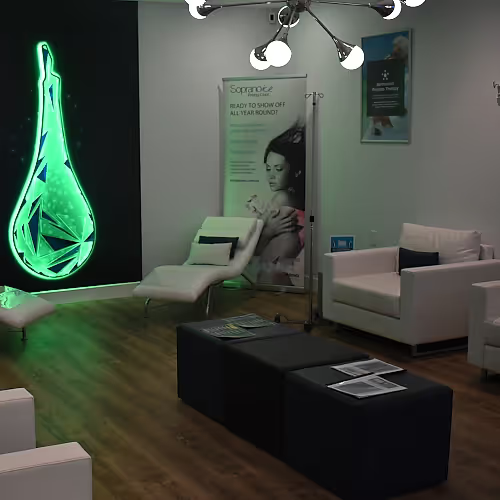
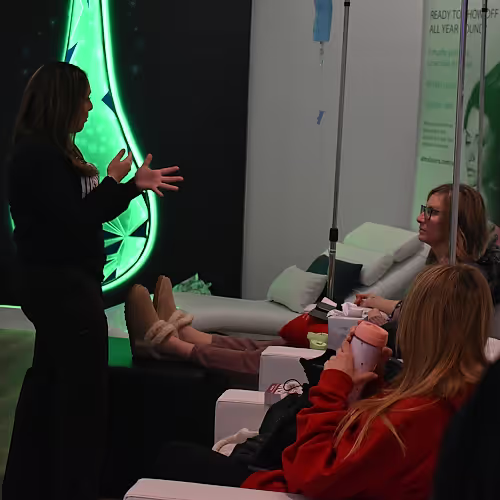
At The DRIPBaR Aberdeen, our team tailors each session to your needs, providing a comfortable environment and attentive care. We encourage clients to discuss their health goals and any concerns with our staff to ensure a safe and effective experience. Consistent support may help reduce the frequency and severity of gout symptoms. Book your appointment today to take the next step toward joint comfort.
Did you know?
Gout most often affects men over 40 and postmenopausal women, but it can occur at any age.
Understanding Gout and Its Effects
Gout is a type of inflammatory arthritis triggered by excess uric acid in the bloodstream, which forms sharp crystals in the joints. These crystals cause sudden episodes of severe pain, swelling, redness, and warmth, often starting in the big toe but potentially affecting other joints. The inflammation can be intense, limiting movement and impacting daily activities. Over time, repeated flare-ups may lead to chronic joint changes and discomfort.
Common triggers for gout include diets high in purines, dehydration, obesity, kidney issues, and certain medications. Managing gout involves both immediate relief during flare-ups and long-term strategies to lower uric acid levels. Staying hydrated, maintaining a balanced diet, and following medical advice are key to reducing the risk of future episodes. Early recognition and responsible management can help preserve joint function and quality of life.
Common Symptoms of Gout
Gout typically presents with sudden, severe pain in one or more joints, most often the big toe. The affected area may become swollen, red, and warm to the touch, making movement difficult. These flare-ups can occur at night and may last for several days. Some people experience lingering discomfort even after the acute pain subsides.
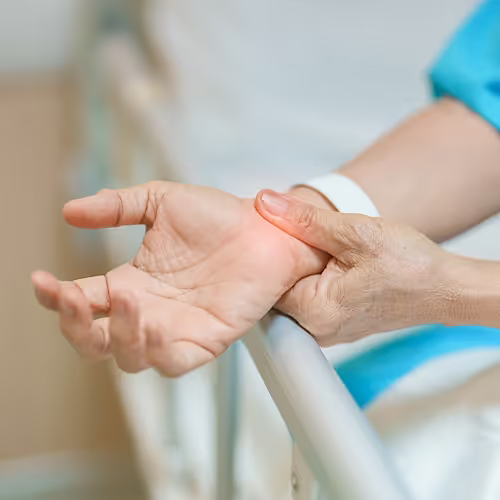
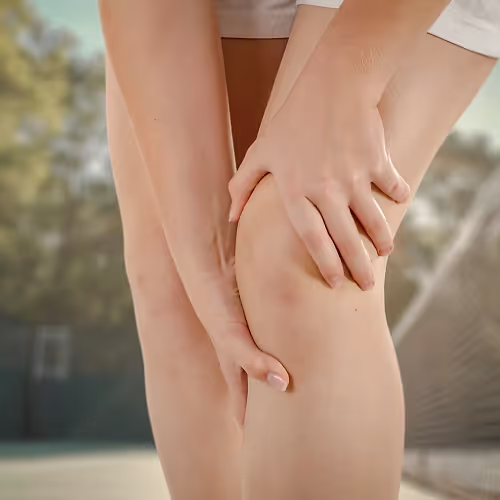
Other joints such as the ankles, knees, wrists, fingers, and elbows can also be affected. Swelling and stiffness may persist between attacks, especially if gout becomes chronic. Recurrent episodes can lead to ongoing inflammation and joint tenderness. In some cases, visible lumps called tophi may develop under the skin near affected joints.
Without proper management, gout can progress to cause joint deformities and reduced mobility. The risk of kidney stones and other complications may increase over time. Early intervention and consistent care are important to minimize long-term effects. Monitoring symptoms and seeking guidance can help maintain joint health.
Traditional Treatments
Traditional care for gout focuses on relieving pain and inflammation during acute flare-ups. Medications such as nonsteroidal anti-inflammatory drugs (NSAIDs), corticosteroids, or colchicine are commonly used to manage symptoms. Long-term management often includes medications that lower uric acid levels, such as allopurinol or febuxostat, to help avoid future attacks. Lifestyle changes like increasing hydration, maintaining a healthy weight, and adjusting diet are also important. Supportive therapies may be recommended to aid recovery and improve joint function. These can include physical therapy, gentle exercise, and wellness services that promote circulation and reduce inflammation. Regular monitoring by a healthcare provider helps ensure that treatment is effective and safe. Combining medical and lifestyle approaches offers the best chance for managing gout and maintaining joint health.
How IV Therapy May Help
If you are managing gout, targeted wellness services may offer additional support alongside your existing care plan. IV therapy can deliver hydration and nutrients directly to your system, helping to address inflammation and support tissue repair. Controlled dosing and professional supervision ensure that each session is tailored to your needs. Many clients find that these approaches complement their efforts to maintain joint comfort and mobility. It is important to monitor your symptoms and communicate any changes with your healthcare provider. Our team is committed to providing a safe and comfortable environment, with guidance available throughout your experience. Wellness services can be part of a balanced approach to managing gout, supporting your recovery and long-term joint health. Always consult with your medical provider before starting new therapies.
Wellness Services for Joint Relief
Specialized wellness offerings can help reduce inflammation and support joint recovery. These services focus on improving circulation, easing discomfort, and promoting overall joint health. Regular sessions may assist in managing symptoms and maintaining mobility.
Infrared Sauna
Infrared Sauna therapy involves exposure to full-spectrum infrared wavelengths that penetrate beneath the skin to raise core body temperature. This process supports natural detoxification by promoting sweating and enhances circulation for better oxygen and nutrient delivery. The warmth also helps relax muscles and supports skin health by improving tone and hydration. Sessions are conducted in a private, calming setting and can be combined with other wellness treatments. This approach offers a gentle, non-invasive way to support overall recovery and relaxation. Regular use may help maintain comfort and balance in daily life.
Read moreSoother
Soother is designed to calm the nervous system and reduce muscle tension through targeted nutrient delivery. It includes magnesium, calcium, and taurine to support mental balance and improve sleep quality. This infusion bypasses digestive limits for faster absorption and relief. It is suitable for those experiencing stress, muscle tightness, or disrupted rest. The therapy supports overall wellness by replenishing essential minerals and amino acids. Clients often report feeling more relaxed and mentally clear after treatment.
Read more
Ready to Get Started?
Feel your best with a treatment designed to support your goals! Whether you’re looking for hydration, energy, immune support, recovery, or overall wellness, our team will help you choose the right option and make sure your experience is comfortable from start to finish. Click the Book Appointment button below to pick your reserve a time that fits your schedule.
This web site is for educational purposes only. It is not intended as a substitute for the diagnosis, treatment and advice of a qualified licensed professional. This site offers people health information and informs them about some of their options, but in no way should anyone consider that this site represents the “practice of medicine.” This site assumes no responsibility for how this material is used. Also note that this website frequently updates its contents, due to a variety of reasons.
At The DRIPBaR Aberdeen, your well-being is our top priority. Our Medical Director, Carrie Carda (License No: 1992777957, NJ), leads our licensed providers with expert guidance. While Carrie Carda doesn’t see clients on-site, they work closely with our licensed medical professionals, ensuring you receive safe, high-quality, and personalized care during every visit. You’re in trusted hands with a team dedicated to helping you feel your best.
- Terms of Use
- Privacy Policy
- Accessibility
- Sitemap
- (732) 743-9179
- Text Us
- Book Appointment
- Get Directions
- Message Us
- Current Promos
- (732) 743-9179
- Text Us
- Book Appointment
- Get Directions
- Message Us
- Current Promos