
Why does soreness linger after exercise?
Many expect muscle soreness to fade quickly, but it often persists longer than anticipated. This discomfort can impact daily routines and slow progress toward fitness goals. Understanding the body’s recovery needs is key to managing these symptoms responsibly.
Recovery for Active Lifestyles
Support for optimal recovery.
Traditional recovery methods may not always address the full spectrum of post-exercise needs, especially for those with demanding routines. The DRIPBaR offers targeted support to help replenish fluids, restore electrolytes, and deliver essential nutrients directly to the body. This approach can help reduce muscle soreness, promote faster tissue repair, and support energy levels after intense activity. Many find that integrating these services into their routine helps maintain training consistency and overall well-being.
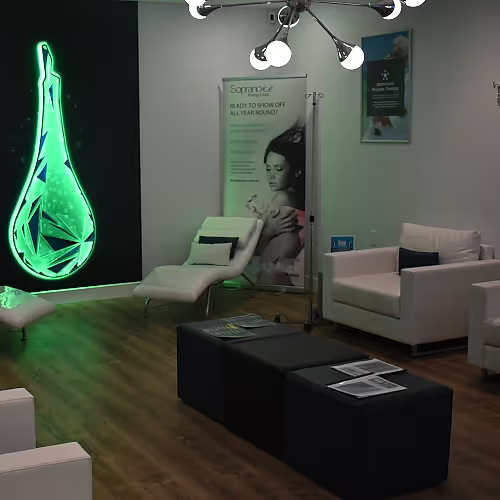
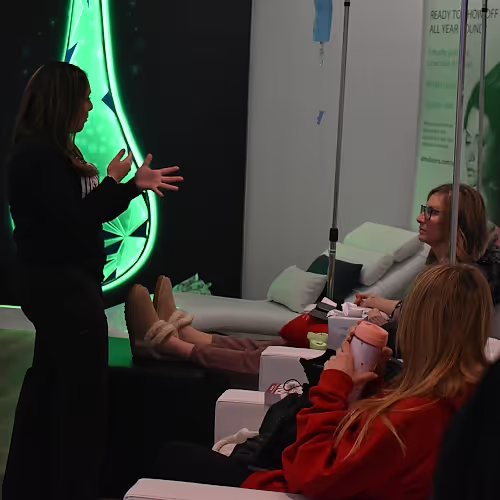
Clients at The DRIPBaR Aberdeen benefit from a personalized experience designed to optimize post-workout recovery. Licensed providers guide each session, ensuring safety and comfort throughout the process. Whether preparing for a competition or recovering from a challenging workout, individuals can choose options tailored to their needs. Book your appointment today to support your recovery goals.
Did you know?
Even mild dehydration after exercise can slow muscle recovery and increase fatigue, highlighting the importance of timely rehydration.
Understanding Post-Workout Recovery
Many believe that rest alone is enough for recovery, but the body requires a combination of hydration, nutrients, and tissue repair to fully bounce back after exercise. Post-workout recovery is the process by which muscles recover, energy stores are replenished, and fluid balance is restored. Intense activity leads to fluid loss, electrolyte depletion, and microscopic muscle damage, all of which must be addressed for optimal performance. Supporting these physiological needs helps reduce soreness and prepares the body for future activity.
Common triggers for delayed recovery include inadequate hydration, insufficient nutrient intake, and overtraining. Managing recovery involves not only rest but also active steps like stretching, balanced nutrition, and timely fluid replacement. Recognizing the signs of poor recovery, such as persistent fatigue or muscle cramps, can help individuals adjust their routines. Taking a proactive approach supports both short-term comfort and long-term fitness goals.
Symptoms of Delayed Recovery
Muscle soreness is a frequent sign after intense exercise, often peaking within 24 to 48 hours. This discomfort can range from mild stiffness to more pronounced aches, sometimes limiting movement or daily activities. Fatigue is another common symptom, as the body uses up energy stores and requires time to replenish them. Some individuals may also notice decreased strength or endurance in subsequent workouts.
Dehydration can lead to headaches, dizziness, or a general sense of sluggishness following physical activity. Electrolyte imbalances may cause muscle cramps, irregular heartbeat, or difficulty concentrating. These symptoms are often more noticeable in hot or humid environments, or after prolonged exertion. Paying attention to these signals can help guide recovery strategies.
Other signs of incomplete recovery include persistent inflammation, swelling, or delayed recovery of minor injuries. Over time, inadequate recovery may contribute to a higher risk of overuse injuries or reduced motivation to exercise. Monitoring these patterns allows individuals to make informed adjustments to their routines. Early intervention and supportive care can help restore balance and promote ongoing progress.
Traditional Treatments
Standard approaches to post-workout recovery include rest, hydration, balanced nutrition, and gentle stretching. These methods help the body repair muscle tissue, restore fluid balance, and replenish energy stores. Protein intake supports muscle rebuilding, while carbohydrates help replace lost glycogen. Sleep is also essential for overall recovery and adaptation. Some individuals incorporate massage, foam rolling, or cold therapy to further reduce soreness and inflammation. Monitoring hydration status and electrolyte levels can be especially important for those engaging in high-intensity or endurance activities. Adjusting training intensity and allowing adequate recovery time between sessions are key strategies for avoiding overtraining. Consulting with a healthcare professional can help tailor recovery plans to individual needs and goals.
How IV Therapy May Help
While traditional recovery methods focus on rest and nutrition, The DRIPBaR’s services offer an additional layer of support through targeted nutrient delivery and hydration. IV therapy allows for rapid absorption of fluids, electrolytes, and key nutrients, which can help address deficiencies and promote recovery. Licensed providers oversee each session, ensuring a safe and comfortable experience tailored to individual needs. This approach is designed to complement, not replace, standard recovery practices. Clients benefit from a personalized plan that may include hydration, antioxidants, and other supportive nutrients to address muscle soreness, fatigue, and fluid loss. The controlled environment and professional guidance help ensure that each session aligns with personal fitness goals and recovery timelines. By integrating these services into a broader wellness routine, individuals can support their body’s natural recovery processes. This balanced approach helps maintain consistency and reduces the risk of setbacks after intense activity.
Targeted Support for Recovery
Specialized wellness offerings can help restore hydration, replenish nutrients, and support muscle repair after exercise. These options are designed to address the unique needs of active individuals. Integrating such support may enhance overall recovery and readiness for future activity.
100% Hydration
Lactated Ringers
Proper hydration is essential for maintaining energy, cognitive function, and physical resilience. This infusion provides a balanced solution of fluids and electrolytes, including sodium, potassium, and calcium, to restore hydration quickly. Delivered intravenously, it bypasses digestive absorption for immediate effect. The treatment supports circulation, nutrient transport, and muscle recovery. It is suitable for individuals experiencing fatigue, electrolyte loss, or those seeking enhanced physical performance. This method offers a practical approach to maintaining wellness and supporting recovery after exertion or illness.
Read morePowerpack
Powerpack provides a targeted blend of vitamins and minerals delivered directly into the bloodstream for fast absorption. Key ingredients like Ascorbic Acid, B-Complex vitamins, and Magnesium support energy production, muscle repair, and cognitive function. This infusion helps reduce fatigue and promotes immune health. It is suitable for active individuals and those seeking enhanced physical and mental performance. The therapy supports recovery and stamina without relying on oral supplements. It is a practical option for maintaining wellness and resilience.
Read moreVitality
Vitality is an intravenous infusion that provides essential nutrients such as Magnesium, Methylcobalamin, and Taurine directly to the bloodstream. This method bypasses digestive limitations, allowing for rapid replenishment of energy and support for muscle recovery. The infusion also promotes improved circulation and cognitive clarity. It is suitable for individuals with active lifestyles or those recovering from physical stress. Regular use may enhance stamina and overall wellness. This therapy is administered by licensed providers in a professional setting. It offers a consistent approach to maintaining energy and resilience.
Read more
Ready to Get Started?
Feel your best with a treatment designed to support your goals! Whether you’re looking for hydration, energy, immune support, recovery, or overall wellness, our team will help you choose the right option and make sure your experience is comfortable from start to finish. Click the Book Appointment button below to pick your reserve a time that fits your schedule.
This web site is for educational purposes only. It is not intended as a substitute for the diagnosis, treatment and advice of a qualified licensed professional. This site offers people health information and informs them about some of their options, but in no way should anyone consider that this site represents the “practice of medicine.” This site assumes no responsibility for how this material is used. Also note that this website frequently updates its contents, due to a variety of reasons.
At The DRIPBaR Aberdeen, your well-being is our top priority. Our Medical Director, Carrie Carda (License No: 1992777957, NJ), leads our licensed providers with expert guidance. While Carrie Carda doesn’t see clients on-site, they work closely with our licensed medical professionals, ensuring you receive safe, high-quality, and personalized care during every visit. You’re in trusted hands with a team dedicated to helping you feel your best.
- Terms of Use
- Privacy Policy
- Accessibility
- Sitemap
- (732) 743-9179
- Text Us
- Book Appointment
- Get Directions
- Message Us
- Current Promos
- (732) 743-9179
- Text Us
- Book Appointment
- Get Directions
- Message Us
- Current Promos