
Is persistent pain limiting your life?
Chronic pain can disrupt daily routines and make even simple tasks challenging. It often persists despite rest or standard treatments, leaving many searching for relief. Managing ongoing discomfort requires a thoughtful approach that considers both physical and mental well-being.
Find Relief and Restore Everyday Comfort
Support for lasting relief.
The DRIPBaR offers supportive therapies designed to help manage chronic pain by targeting inflammation, supporting nerve health, and promoting relaxation. These approaches may help reduce discomfort, improve mobility, and support overall well-being for those living with ongoing pain. By focusing on the body’s natural recovery processes, clients can experience a gentle, non-pharmaceutical option for relief. Each session is tailored to individual needs, helping to address both physical symptoms and the stress that often accompanies chronic pain.
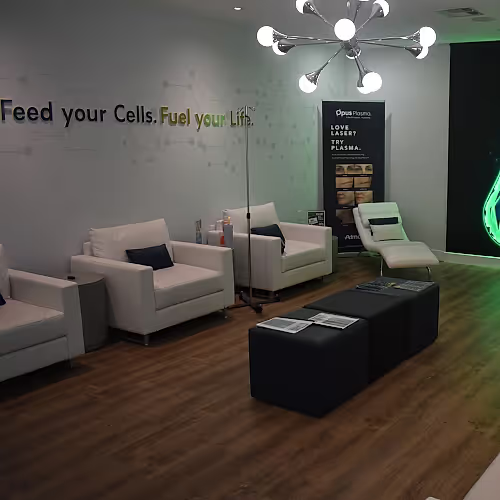
At The DRIPBaR Aberdeen, clients receive care in a comfortable environment with options that complement traditional pain management strategies. Our team works with you to develop a plan that fits your lifestyle and goals. If you’re seeking a holistic way to address chronic pain, consider exploring our wellness therapies. Book your appointment today to take the next step toward improved comfort.
Did you know?
Chronic pain affects nearly one in five adults and can persist even after an injury has healed.
Understanding Chronic Pain Mechanisms
Chronic pain is defined as pain that lasts longer than three months, often continuing beyond the expected recovery period. It can arise from injury, nerve damage, inflammation, or underlying conditions such as arthritis or fibromyalgia. Unlike acute pain, which signals immediate harm, chronic pain can become a condition in itself, affecting both physical and mental health. The experience of chronic pain varies widely, ranging from mild discomfort to severe, life-altering symptoms.
Common triggers include poor posture, stress, lack of sleep, and a sedentary lifestyle, all of which can worsen symptoms. Effective management often requires a combination of therapies that address both the physical and psychological aspects of pain. Integrative approaches may help reduce reliance on medication and support overall function. Understanding your unique pain patterns can guide more personalized and sustainable relief strategies.
Common Symptoms of Chronic Pain
Chronic pain often presents as persistent aches, sharp sensations, or burning discomfort that lingers for months or even years. It may affect one area, such as the back or joints, or be widespread throughout the body. Fluctuations in intensity are common, with pain sometimes worsening after activity or during periods of stress. Many people notice that symptoms can interfere with work, hobbies, and social interactions.
In addition to physical discomfort, chronic pain may cause fatigue, sleep disturbances, and reduced mobility. Some individuals experience muscle stiffness, tingling, or numbness, especially if nerves are involved. Emotional symptoms like anxiety or low mood can develop as a result of ongoing pain. Over time, these effects can contribute to a cycle of reduced activity and increased sensitivity.
Tracking symptom patterns, such as when pain flares up or eases, can help identify triggers and inform management strategies. Gentle movement, stress reduction, and supportive therapies may help break the cycle of discomfort. It’s important to address both the physical and emotional aspects of chronic pain for the best results. Open communication with your healthcare provider can support more effective symptom relief.
Traditional Treatments
Standard treatments for chronic pain often include medications such as anti-inflammatories, muscle relaxants, or nerve pain modulators. Physical therapy, exercise, and counseling are also commonly recommended to address both physical and emotional aspects of pain. These approaches may help reduce symptoms and improve function over time. Some individuals seek integrative therapies to complement traditional care and reduce reliance on medication. Options like nutrient infusions, relaxation techniques, and lifestyle adjustments can support the body’s natural recovery processes. Results may vary, and it’s important to work with a healthcare provider to develop a safe, personalized plan. Regular monitoring and adjustments help ensure that treatment remains effective and appropriate.
How IV Therapy May Help
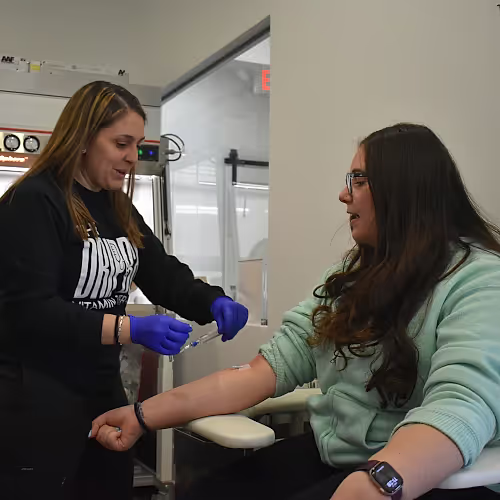
Targeted nutrient therapies and wellness services at The DRIPBaR are designed to support the body’s natural recovery processes. By delivering hydration, minerals, and antioxidants directly, these approaches may help reduce inflammation, ease muscle tension, and promote tissue recovery. Controlled dosing and professional supervision ensure that each session is tailored to individual needs, supporting both comfort and safety. These therapies can be integrated with other pain management strategies for a more comprehensive approach. Clients often find that regular sessions help improve mobility, support nerve health, and enhance overall well-being. The focus on relaxation and stress reduction can also benefit those whose pain is worsened by emotional strain. While not a replacement for medical care, these services offer a gentle, non-pharmaceutical option for ongoing support. Discussing your goals and symptoms with our team can help create a plan that fits your lifestyle.
Wellness Approaches for Pain Support
Certain wellness therapies can help reduce inflammation, relax muscles, and support nerve health. These approaches are designed to complement traditional pain management. They may provide gentle relief and promote overall comfort.
Infrared Sauna
Infrared Sauna therapy involves exposure to full-spectrum infrared wavelengths that penetrate beneath the skin to raise core body temperature. This process supports natural detoxification by promoting sweating and enhances circulation for better oxygen and nutrient delivery. The warmth also helps relax muscles and supports skin health by improving tone and hydration. Sessions are conducted in a private, calming setting and can be combined with other wellness treatments. This approach offers a gentle, non-invasive way to support overall recovery and relaxation. Regular use may help maintain comfort and balance in daily life.
Read moreSoother
Soother is designed to calm the nervous system and reduce muscle tension through targeted nutrient delivery. It includes magnesium, calcium, and taurine to support mental balance and improve sleep quality. This infusion bypasses digestive limits for faster absorption and relief. It is suitable for those experiencing stress, muscle tightness, or disrupted rest. The therapy supports overall wellness by replenishing essential minerals and amino acids. Clients often report feeling more relaxed and mentally clear after treatment.
Read more
Ready to Get Started?
Feel your best with a treatment designed to support your goals! Whether you’re looking for hydration, energy, immune support, recovery, or overall wellness, our team will help you choose the right option and make sure your experience is comfortable from start to finish. Click the Book Appointment button below to pick your reserve a time that fits your schedule.
This web site is for educational purposes only. It is not intended as a substitute for the diagnosis, treatment and advice of a qualified licensed professional. This site offers people health information and informs them about some of their options, but in no way should anyone consider that this site represents the “practice of medicine.” This site assumes no responsibility for how this material is used. Also note that this website frequently updates its contents, due to a variety of reasons.
At The DRIPBaR Aberdeen, your well-being is our top priority. Our Medical Director, Carrie Carda (License No: 1992777957, NJ), leads our licensed providers with expert guidance. While Carrie Carda doesn’t see clients on-site, they work closely with our licensed medical professionals, ensuring you receive safe, high-quality, and personalized care during every visit. You’re in trusted hands with a team dedicated to helping you feel your best.
- Terms of Use
- Privacy Policy
- Accessibility
- Sitemap
- (732) 743-9179
- Text Us
- Book Appointment
- Get Directions
- Message Us
- Current Promos
- (732) 743-9179
- Text Us
- Book Appointment
- Get Directions
- Message Us
- Current Promos