
Many adults in Brielle and nearby towns find that routines matter most when life feels hectic. For those managing both ADHD and anxiety, the overlap often shows up as racing thoughts, restlessness, and difficulty winding down. By exploring practical strategies, you can begin to break the cycle of overwhelm. Learn more about ADHD and anxiety and how calming routines may help.
This blog explores how magnesium support, breathwork, and lifestyle planning can fit into daily life. Each tool is designed to be flexible and easy to repeat. Results vary, and professional guidance is encouraged for persistent or severe symptoms.
Understanding adult ADHD and anxiety overlap
ADHD and anxiety often interact in ways that make daily routines challenging. Living with ADHD can create chronic stress from missed deadlines, disorganization, and time pressure. These factors can increase worry, rumination, and even physical sensations like a tight chest or restlessness. When anxiety narrows attention, it can worsen ADHD symptoms, making it harder to start or finish tasks. Recognizing this loop is the first step toward building supportive routines.
Magnesium for anxiety support
Magnesium is a mineral involved in muscle function, nervous system support, and stress resilience. Many adults with ADHD and anxiety report muscle tension, poor sleep, and difficulty winding down. Food-first strategies, like adding leafy greens, nuts, and seeds, can help support magnesium intake without relying on supplements. Some people notice a calmer baseline when magnesium is part of their routine, though results vary. Always consult a licensed professional before starting supplements, especially if you have kidney or heart conditions. Magnesium is best used as part of a broader relaxation plan.
Breathwork for anxiety and focus
Breathwork routines can be powerful tools for calming the nervous system and improving focus. Long-exhale breathing is especially ADHD-friendly because it is simple and portable. Inhale gently through the nose for four counts, then exhale slowly for six to eight counts. Repeat this cycle five to ten times to help downshift stress. Box breathing is another option, using equal-length inhales, holds, and exhales. Both methods can fit into busy schedules and support transitions.
Pairing breathwork with movement, like slow walking or gentle stretching, can make it easier for restless adults to participate. These techniques are not about perfection but about shifting your state enough to take the next step. Consistency is more important than duration.
Calming routines for ADHD adults
Calming routines are most effective when they are simple, repeatable, and tailored to your lifestyle. Grounding exercises using the five senses can interrupt spirals of worry and bring attention back to the present. Progressive muscle release, such as tensing and relaxing the shoulders or jaw, supports physical relaxation. Sensory simplification, like lowering lights or reducing notifications, helps reduce overstimulation. Movement micro-breaks, such as a two-minute walk or a few stretches, can discharge stress. Exposure to daylight and nature supports mood and sleep quality. These routines can be adapted to fit different situations and energy levels.
Lifestyle planning can also reduce anxiety by creating clarity and reducing uncertainty. Using a single list for tasks, choosing one priority, and writing the next physical step can help stop overwhelm. The goal is to create a sense of control without adding more stress.
Lifestyle planning and nervous system regulation techniques
The overlap between ADHD and anxiety, often called the ADHD and anxiety loop, can lead to cycles of overwhelm and avoidance. When routines are unclear, the nervous system stays on high alert, making it difficult to relax. By building in buffers, using default routines, and practicing regular wind-down rituals, adults can support a calmer baseline. These strategies help break the cycle and make daily life more manageable. Over time, small changes can add up to meaningful improvements.
Planning tools like the two-minute start ritual or the closing shift list can reduce bedtime rumination. These methods help create structure without overwhelming the mind. Consistency, not perfection, is the key to long-term success.
Hydration and nutrition also play a role in supporting calm and focus. Dehydration can amplify irritability and headaches, while blood sugar swings may feel like anxiety. Protein-first meals and regular water intake can help stabilize energy and mood. Caffeine timing is important for those sensitive to anxiety, with water and food first and a set cutoff time. These small adjustments can make routines easier to maintain.
ADHD stress management strategies
Managing stress with ADHD requires a blend of structure and flexibility. Movement breaks, breathwork, and sensory simplification can all support nervous system regulation. The “one list, one next step” method reduces overwhelm by focusing on a single priority. Micro-routines, like a 60-second breath break or a snack bridge, provide quick resets during busy days. Evening wind-down routines, including magnesium-rich snacks and gentle mobility, help prepare the body for rest. Over time, these habits can support a more consistent sense of calm.
Mistakes like relying on caffeine alone or planning too much can increase stress. Choosing one anchor habit per week and repeating it until it feels automatic can help build lasting change. Progress is about steady improvement, not perfection.
- Calm reset steps: Three long exhales and a water sip can quickly downshift stress.
- Grounding exercise: Use the five senses to interrupt worry spirals and refocus.
- Movement micro-break: Two-minute walks or stretches help discharge tension.
- Protein-first meals: Start meals with protein to support steady energy and mood.
- Hydration triggers: Drink water after waking, with meals, and at transitions.
- Evening wind-down: Lower lights, reduce screens, and use a closing shift list to prepare for sleep.
- Default routines: Set simple, repeatable habits to reduce decision fatigue and support calm.
Breathwork for anxiety and focus
Breathwork is a portable, fast tool that fits ADHD brains and busy schedules. Long-exhale breathing and box breathing are easy to learn and repeat. These techniques can help shift the nervous system from high alert to a calmer state. Pairing breathwork with movement or transitions makes it even more accessible.
Try the 60-second breath break: three long exhales, a sip of water, and a quick stretch. This micro-routine can be used between focus blocks or before meetings. For those who struggle with sitting still, slow walking with long exhales or gentle stretching can make breathwork more comfortable. The goal is not perfection but enough of a shift to take the next step. Consistency in practice helps build resilience over time. Breathwork is supportive, not a replacement for professional care.
Grounding exercises and progressive muscle release can further support calm. Naming five things you see, four you feel, three you hear, two you smell, and one you taste brings attention to the present. Tensing and releasing the shoulders or jaw helps release physical tension. These routines are simple but can make a real difference when practiced regularly. If symptoms are severe or persistent, seek guidance from a licensed professional.
Calming routines for adults
Adults with ADHD and anxiety benefit from routines that are easy to start and maintain. The “minimum viable calm plan” focuses on just a few anchor habits: water after waking, a protein breakfast, a two-minute breath break, a two-minute start on the hardest task, and a closing shift list at night. This approach helps avoid total routine collapse during chaotic weeks. Adding magnesium-rich foods, movement breaks, and evening wind-downs can further support a calm baseline. The key is to keep routines simple and repeatable. Over time, these habits can help reduce overwhelm and support daily comfort.
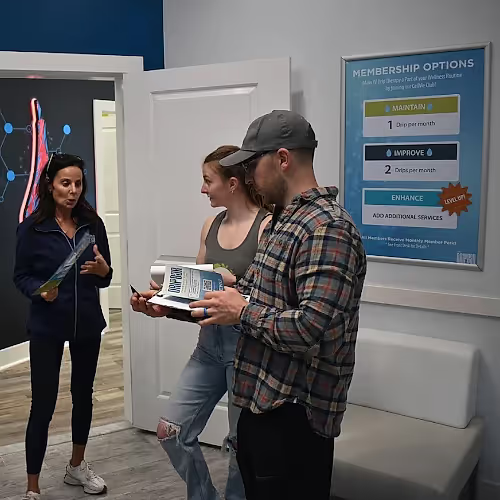
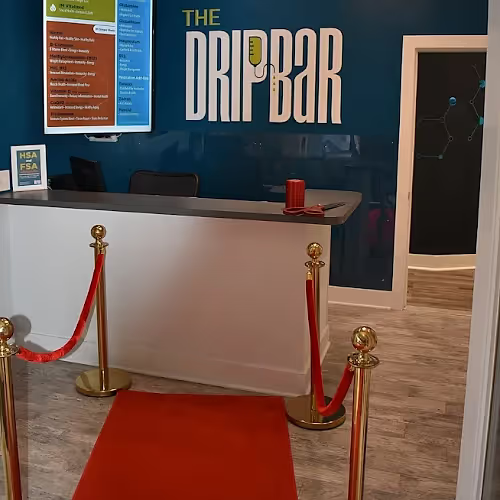
Wellness visits, like those offered at The DRIPBaR Brielle, can serve as planning anchors for building healthy routines. These visits provide a structured pause to reset, plan, and recharge. Many clients appreciate the calm, supportive environment.
Optional wellness supports, such as magnesium-focused drips and hydration therapy, can complement calming routines. These services are intended to support relaxation and recovery, not to address or fix any condition. Always discuss new wellness approaches with a licensed professional.
Remember that results vary, and it is important to listen to your body. If you experience severe anxiety, persistent insomnia, or mood symptoms, reach out for professional support. Wellness routines are most effective when combined with guidance from experienced providers. Your comfort and safety come first.
In summary, calming routines for adults with ADHD and anxiety are most successful when they are small, consistent, and tailored to individual needs. Magnesium support, breathwork, movement, and planning tools can all play a role in creating a steadier baseline. Hydration, nutrition, and sleep routines further support nervous system regulation. Optional wellness services may complement these efforts for some people. Progress is about building habits that fit your life, not achieving perfection. If you need help, do not hesitate to seek support from a trusted provider.
Calming routines for ADHD adults
Many clients from Manasquan and the Brielle area appreciate how easy it is to fit a wellness visit into their routine. The DRIPBaR Brielle is conveniently located for those seeking a calm, supportive environment to recharge. Our team focuses on making each visit comfortable and approachable. Whether you are new to IV therapy or a regular guest, we tailor the experience to your needs. Clients often mention how much they value the relaxed setting and knowledgeable staff. Taking time for self-care can be a meaningful step toward building healthier routines.
Safety is always a priority when considering magnesium support or new calming routines. People with kidney disease, heart rhythm concerns, or those who are pregnant should consult a licensed professional before starting supplements. Breathwork should be gentle, especially if you feel lightheaded. If you experience severe symptoms or thoughts of self-harm, seek help immediately.
Magnesium for anxiety support
Magnesium is often included in relaxation routines for its role in muscle and nervous system support. Food-first strategies are recommended, such as adding leafy greens, nuts, and beans to meals. Supplements may be considered with professional guidance, especially for those with specific health conditions. Magnesium is not a sedative and does not guarantee results, but some people notice benefits. Evening routines that pair magnesium-rich snacks with gentle mobility and long-exhale breathing can support a calmer transition to sleep. Consistency and moderation are key.
Hydration and nutrition are foundational for nervous system regulation. Dehydration can worsen irritability, while blood sugar swings may mimic anxiety. Protein-first meals and regular water intake help stabilize mood and energy. These habits are simple but can make a noticeable difference.
Movement and daylight exposure are valuable for supporting mood and sleep. Even a short walk outside can help regulate circadian rhythm and reduce stress. Sensory simplification, like lowering lights and reducing screen time, can make evening routines more effective. Planning buffers and default routines reduce decision fatigue and support calm. Building these habits gradually increases the likelihood of long-term success.
Breathwork for anxiety and focus
Breathwork is a practical tool for managing stress and supporting focus. Long-exhale breathing and box breathing are easy to incorporate into daily routines. Pairing breathwork with movement or transitions makes it more accessible for those who struggle to sit still. The 60-second breath break is a quick reset that can be used throughout the day. Consistency in practice helps build resilience and calm. Breathwork is supportive, not a substitute for professional care. If you feel dizzy or lightheaded, use gentler breathing and stop if needed.
Grounding exercises and progressive muscle release can further support relaxation. Naming sensory details or tensing and releasing muscles brings attention to the present and eases tension. These routines are simple but effective when practiced regularly. If symptoms are severe or persistent, seek guidance from a licensed provider.
Optional wellness supports, such as magnesium-focused drips or hydration therapy, may complement calming routines for some adults. These services are intended to support comfort and recovery, not to address any condition. Always discuss new wellness approaches with a licensed professional. Your safety and comfort are our top priorities. Results vary, and professional guidance is encouraged.
Building a calm routine is a gradual process. Start with one or two anchor habits and repeat them until they feel automatic. Adjust routines as needed to fit your lifestyle and energy levels. Progress is about steady improvement, not perfection. Support is available if you need it.
Thank you for considering The DRIPBaR Brielle as part of your wellness journey. We are here to support your goals and help you feel your best.
Calming routines for ADHD adults
The calm consistency daily template offers a simple structure for building supportive habits. Start your morning with water, a protein breakfast, and daylight exposure. Write down your top three tasks and the next step for the hardest one. Use movement and hydration breaks throughout the day. In the evening, lower lights, use a closing shift list, and practice gentle mobility.
During chaotic weeks, focus on the minimum viable calm plan: water after waking, protein breakfast, a two-minute breath break, a two-minute start on the hardest task, and a closing shift list at night. This approach helps maintain routines even when life feels overwhelming. Small, consistent actions build resilience over time. Adjust as needed to fit your needs.
Common mistakes include relying solely on caffeine, overplanning, or trying to fix everything at once. Solutions include pairing caffeine with food and water, using one list and one next step, and choosing one anchor habit per week. These adjustments can make routines more sustainable. Progress is about steady improvement, not perfection. Support is available if you need it.
Lifestyle planning for adult ADHD and anxiety
Lifestyle planning reduces anxiety by creating clarity and structure. Using buffers, default routines, and next-step mapping helps you avoid overwhelm. These tools are especially helpful for adults with ADHD and anxiety.
The ADHD and anxiety loop can make routines feel impossible, but small changes can break the cycle. By focusing on one next step and using calming routines, adults can support a more stable baseline. Consistency, not perfection, is the goal for lasting progress.
Wellness visits at The DRIPBaR Brielle can serve as helpful anchors for routine-building. Clients often use these visits to reset, plan, and recharge. The calm, supportive environment makes it easier to focus on self-care and healthy habits.
Calming routines for ADHD adults
Calming routines are most effective when they fit your lifestyle and energy levels. Start with one or two anchor habits, like a morning hydration ritual or an evening wind-down. Use planning tools, such as the closing shift list, to reduce bedtime rumination. Movement breaks and breathwork can be added as needed. Adjust routines based on what works best for you. Progress is about building habits that last.
Optional wellness supports, like magnesium-focused drips and hydration therapy, may complement calming routines for some adults. These services are intended to support comfort and recovery, not to address or fix any condition. Always discuss new wellness approaches with a licensed professional. Results vary, and safety is a priority. Your comfort and well-being come first.
- Morning anchor: Water after waking and a protein breakfast support energy and focus.
- Midday reset: Use a two-minute movement break and hydration refill to recharge.
- Afternoon bridge: Replace late caffeine with a snack and a short walk to support calm.
- Evening wind-down: Lower lights, use a closing shift list, and practice gentle mobility for better sleep.
- Default routines: Set simple, repeatable habits to reduce decision fatigue and support calm.
Magnesium for anxiety support
Magnesium is a relaxation-support mineral often included in calming routines. Food-first strategies, like adding leafy greens and nuts, are recommended. Supplements may be considered with professional guidance. Magnesium is not a cure, but some people notice benefits. Consistency and moderation are important.
Hydration and nutrition are foundational for nervous system regulation. Dehydration can worsen irritability, while blood sugar swings may mimic anxiety. Protein-first meals and regular water intake help stabilize mood and energy.
Movement and daylight exposure support mood and sleep. Even a short walk outside can help regulate circadian rhythm and reduce stress. Sensory simplification, like lowering lights and reducing screen time, makes evening routines more effective. Planning buffers and default routines reduce decision fatigue.
Start your calming routine today
Ready to explore calming routines that fit your life? Reach out to The DRIPBaR Brielle for a personalized approach to wellness. We are here to help you feel more comfortable and supported.
Why is proactive care valuable before major life changes?
Preparing with calming routines before stressful events can help build resilience. Establishing habits like breathwork or planning buffers may reduce overwhelm during transitions. Proactive care supports a steadier baseline and can ease adjustment. Each person’s needs and responses will differ.
Prebiotics vs probiotics: fiber foods, microbiome support
This web site is for educational purposes only. It is not intended as a substitute for the diagnosis, treatment and advice of a qualified licensed professional. This site offers people health information and informs them about some of their options, but in no way should anyone consider that this site represents the “practice of medicine.” This site assumes no responsibility for how this material is used. Also note that this website frequently updates its contents, due to a variety of reasons.
At The DRIPBaR Brielle, your well-being is our top priority. Our Medical Director, Carrie Carda (License No: 1992777957, NJ), leads our licensed providers with expert guidance. While Carrie Carda doesn’t see clients on-site, they work closely with our licensed medical professionals, ensuring you receive safe, high-quality, and personalized care during every visit. You’re in trusted hands with a team dedicated to helping you feel your best.
- Terms of Use
- Privacy Policy
- Accessibility
- Sitemap
- (732) 416-7611
- Text Us
- Book Appointment
- Get Directions
- Message Us
- Current Promos
- (732) 416-7611
- Text Us
- Book Appointment
- Get Directions
- Message Us
- Current Promos