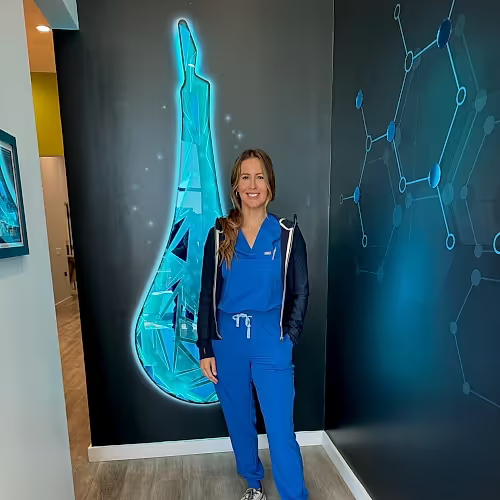

Many guests from Cape Girardeau and nearby areas visit for guidance on low impact routines that fit their lifestyle. If you are searching for practical ways to move more comfortably, exercise for chronic kidney disease is a valuable starting point. The right plan can help you feel more stable and less fatigued. Our team supports you in finding routines that match your energy and schedule. Each step is designed to help you feel your best.
Chronic kidney disease often brings fatigue, muscle changes, and unique safety needs. Factors like anemia, blood pressure shifts, and medication effects can make traditional workouts challenging. That is why recovery routines, including stretching, mobility, and compression boots, are so important. These tools help manage stiffness and support circulation without overtaxing the body. With the right approach, exercise becomes a source of comfort and resilience.
CKD Exercise Program: Building a Safer Foundation
A CKD exercise program centers on low impact movement, gentle strength work, and recovery routines tailored to individual needs. The goal is not athletic performance but better daily function, improved walking, and reduced joint pain. Consistency is more important than intensity, so sessions are designed to be manageable and repeatable. Warm ups and cool downs are essential for safety, especially for those prone to blood pressure changes. Stretching and mobility work help maintain flexibility and comfort. Each element supports confidence and reduces the risk of post-exercise fatigue.
Low Impact Workouts for Kidney Disease
Low impact workouts are ideal for people with CKD because they reduce joint stress and are easier to sustain. Walking, cycling, swimming, and gentle stair stepping are all effective options. Seated cardio and recumbent bikes are especially helpful for those with balance or neuropathy concerns. These activities can be adjusted to fit energy levels and medical guidance. The key is to choose movements that feel comfortable and can be done regularly. Over time, these routines help build stamina and support circulation without causing setbacks.
Stretching Routine for CKD
A stretching routine for CKD recovery should be gentle and consistent. Focus on mild to moderate stretches, avoiding deep or painful positions. Include calf, hamstring, hip flexor, and chest stretches, holding each for 30 to 45 seconds. Neck mobility and upper back stretches can help with posture and comfort. Always move slowly, especially if neuropathy or access sites are present. Breathing calmly during stretches supports relaxation and safety.
Safety is the top priority when stretching with CKD. Avoid holding your breath or forcing any position. If cramps are common, use shorter holds and add light movement. Protect dialysis access sites by avoiding direct pressure. These precautions help make stretching a safe and effective part of your recovery routine.
Compression Boots Recovery
Compression boots are an optional comfort tool for CKD recovery routines. They use gentle air pressure to encourage circulation and may help reduce feelings of heaviness or swelling in the legs. For many, the biggest benefit is the structured cooldown ritual they create. It is important to start with low pressure and short sessions, especially if you have neuropathy or blood pressure variability. Always check with your medical team before using compression boots. If you notice any discomfort or skin changes, stop and reassess.
Not everyone with CKD should use compression boots, and careful screening is essential. Avoid them if you have a history of blood clots, severe swelling, or fragile skin. People on dialysis should be cautious, as fluid shifts and blood pressure changes can affect comfort and safety. If cleared, use boots after low impact activity and follow a conservative protocol. Always prioritize comfort and monitor for any unusual symptoms.
Dialysis Day Exercise Tips
Exercise on dialysis days requires extra planning. Short walks, gentle mobility, and breath work are often best. Some people find it easier to move before treatment, while others prefer to wait until after resting. Protect access sites by avoiding heavy lifting or direct pressure. Listen to your body and adjust the routine based on how you feel that day. If you experience dizziness or unusual fatigue, scale back and focus on recovery. The goal is to finish feeling stable, not drained.
Dialysis can affect energy and fluid balance, so flexibility is key. On lower energy days, choose seated or low intensity activities. Mobility work and stretching can help reduce stiffness and support comfort. Always coordinate with your healthcare provider to ensure your plan fits your medical needs. Small, consistent efforts add up over time.
A flexible approach helps you avoid all-or-nothing cycles. On “green days,” aim for longer sessions with both cardio and strength. On “yellow days,” focus on shorter routines like mobility flows or a brief walk. This strategy supports consistency and helps you stay engaged even when energy varies. Tracking symptoms can guide adjustments and keep your plan on track. Remember, the best routine is one you can maintain safely.
CKD Fatigue and Exercise Recovery
CKD fatigue is a common challenge, and exercise for chronic kidney disease must account for it. Gentle routines, pacing, and recovery tools help manage energy and reduce crashes. By focusing on what feels sustainable, you can build resilience over time. Each session should leave you feeling steady, not depleted.
Recovery routines are not just about muscle soreness. They support circulation, mood, and sleep quality. Light movement, stretching, and breath work all play a role in helping your body bounce back. Over time, these habits can make daily activities feel easier and more comfortable.
Compression Boots and Recovery Benefits
Compression boots may help support recovery by improving circulation and reducing the sensation of heavy legs. They are not a replacement for medical care, but some people find them helpful as part of a structured cooldown. Always use low pressure and short sessions to start. If you have neuropathy or blood pressure swings, extra caution is needed. The most important benefit is often the routine itself, which encourages consistent self-care. Consult your healthcare provider before adding new tools.
- Low impact movement: Walking, cycling, and swimming are gentle on joints and support stamina.
- Gentle strength work: Short, simple sessions help maintain muscle and independence.
- Stretching routines: Mild stretches improve comfort and flexibility without strain.
- Mobility exercises: Controlled movements support joint health and ease of motion.
- Compression boots: Optional tool for circulation support and cooldown rituals.
- Breath work: Slow, deep breathing calms the nervous system and aids recovery.
Stretching for Better Sleep
Evening stretching can help reduce stiffness and improve sleep quality for people with CKD. Focus on gentle, comfortable positions that do not cause pain. Short holds and slow movements are best, especially if you experience cramps or neuropathy. This routine can be part of your nightly wind-down. Over time, better sleep supports overall recovery.
Mobility work is another valuable tool for CKD recovery. Simple flows can be done on off days or when energy is low. These routines help maintain joint function and reduce discomfort. Consistency is more important than intensity. A few minutes each day can make a noticeable difference.
If you are new to stretching or mobility, start slow and listen to your body. Avoid forcing any movement. Over time, you can build up as comfort allows.
Many people with CKD find that a structured recovery routine helps them feel more confident and less anxious about exercise. By focusing on gentle movement, stretching, and optional tools like compression boots, you can support your body’s needs. Remember to check in with your healthcare provider before making changes. The right plan is one that fits your lifestyle and leaves you feeling better, not worse. Each small step adds up to meaningful progress.
Low Impact Movement for Recovery
Low impact movement is a cornerstone of CKD wellness. Activities like walking, cycling, and water exercise support circulation and reduce joint strain. These routines can be adapted to fit your energy and comfort level each day. Even short sessions help manage swelling and improve mood. Over time, regular movement builds stamina and confidence. The goal is to make activity a sustainable part of your recovery.
A recovery walk is a simple way to support your body between more structured sessions. Aim for five to twenty minutes at an easy pace. You should be able to talk comfortably throughout. This type of movement is about feeling better, not pushing limits. Pair it with gentle stretching for added benefit.
Progression is important but should be gradual. Increase duration before intensity, and add new activities only when you feel stable. Keep at least one full rest day each week if fatigue is significant. Use symptom tracking to guide adjustments and avoid overdoing it. If you notice persistent fatigue or soreness, consider a deload week with reduced volume. This approach helps maintain momentum without risking setbacks.
Stretching, Mobility, and Recovery Routines
Clients from Cape Girardeau and neighboring communities often ask how to make recovery routines part of their daily lives. The answer is to keep things simple and consistent. Gentle stretching, mobility flows, and short walks can be done at home or after treatments. These routines help reduce stiffness and support comfort, especially when tailored to your unique needs. Over time, they become habits that support long-term wellness.
Safety is always the priority with CKD recovery routines. Avoid aggressive movements or positions that strain access sites or sensitive areas. If you have neuropathy, move slowly and check your skin regularly. Adjust routines based on how you feel each day. Consistency and caution help you avoid setbacks and support ongoing progress.
CKD Recovery Routine Stack
A recovery routine stack is a layered approach to wellness. Start with slow breathing to calm the nervous system. Add light movement like walking or cycling for circulation. Include mobility flows and gentle stretches to support joint health. Optional tools such as compression boots or warm compresses can enhance comfort. Finish with a hydration plan and early bedtime for best results.
This stack can be customized to fit your symptoms and schedule. On days when energy is low, focus on breathing and gentle movement. When you feel stronger, add more stretching or optional recovery tools. The goal is to build a routine that supports readiness for the next day. Small, consistent efforts create lasting benefits.
Strength Training for Independence
Strength training is important for maintaining independence in CKD. Focus on simple patterns like sit to stand, wall push ups, and band rows. Keep sessions short and manageable, aiming for two to three times per week. Use slow, controlled movements and rest as needed to keep breathing calm. Stop sets with a few repetitions left in reserve rather than training to failure. This approach supports recovery and reduces the risk of overexertion. Always prioritize safety and comfort.
Strength routines can be adapted for all ability levels. Use a seat or wall for support if needed. Avoid heavy lifting or aggressive movements, especially if you have access sites or bone health concerns. Gradual progression is key. Over time, strength work helps protect joints and supports daily activities.
Hydration and Nutrition Considerations
Hydration and nutrition play a vital role in CKD recovery. Always follow your medical team’s guidance on fluid intake and dietary needs. Avoid generic hydration advice, as CKD often requires specific limits. Focus on adequate calories and protein within your renal diet, especially on active days. If you experience cramps or fatigue, discuss these symptoms with your healthcare provider. Proper nutrition and hydration support energy and recovery.
Electrolyte management is another important consideration. Do not use over-the-counter electrolyte drinks unless approved by your provider. Monitor for signs of imbalance, such as cramps or swelling. Adjust your routine based on how your body responds. Personalized guidance ensures your plan is safe and effective.
Recovery routines work best when paired with good sleep and stress management. A consistent bedtime and relaxing pre-sleep habits support overall wellness. Mindful breathing and gentle movement can help reduce stress and improve sleep quality.
If you notice new or worsening symptoms, contact your healthcare provider promptly. Safety is always the top priority. Adjust your routine as needed to support your health.
Dialysis Day Exercise Tips and Recovery
Dialysis days can be challenging, but gentle movement is still possible. Short walks, seated exercises, and breath work are often best. Protect access sites and avoid heavy lifting. Listen to your body and adjust based on how you feel. The goal is to finish feeling steady, not exhausted.
On dialysis days, exercise for chronic kidney disease should focus on comfort and safety. Choose activities that are easy to modify and do not strain sensitive areas. Even a few minutes of movement can help support circulation and reduce stiffness. Consistency is more important than intensity. Over time, these habits can make a real difference.
If you experience dizziness, cramps, or unusual fatigue, scale back and focus on recovery. Always coordinate your plan with your healthcare provider. Gentle routines help you stay active without risking setbacks. The right approach is one that fits your needs and leaves you feeling better.
CKD Fatigue and Exercise Recovery
CKD fatigue can make exercise feel daunting, but recovery routines help manage energy. Focus on gentle movement, stretching, and breath work to support your body. Use symptom tracking to guide adjustments and avoid overexertion. If you notice persistent fatigue, consider a deload week with reduced activity. Gradual progression supports long-term wellness. Each session should leave you feeling steady, not depleted.
A flexible routine helps you stay engaged even when energy varies. On low energy days, focus on mobility and short walks. On better days, add more structured activity. This approach supports consistency and helps you avoid all-or-nothing cycles. The goal is to make movement a regular part of your life.
Compression Boots Recovery Protocol
If cleared by your provider, use compression boots after low impact activity. Start with ten to fifteen minutes at low pressure. Gradually increase session length if tolerated. Always check for skin changes or discomfort.
Avoid compression boots if you have a history of blood clots, severe swelling, or fragile skin. People on dialysis should be extra cautious. If you notice any unusual symptoms, stop and consult your healthcare provider. Safety comes first.
Combining compression boots with stretching can enhance recovery. Try a short walk, followed by boots, then gentle stretching. This sequence supports circulation and comfort. Adjust the routine based on your needs and how you feel each day. Consistency and caution help you get the most benefit.
CKD Wellness Support
A supportive environment makes it easier to stick with recovery routines. At The DRIPBaR Cape Girardeau, guests receive personalized guidance and care. The team helps you build routines that fit your lifestyle and medical needs. Many clients appreciate the comfortable setting and expert support. Each visit is designed to help you feel more confident and energized.
Wellness support goes beyond exercise. Education, pacing, and recovery tools all play a role. Collaboration with your healthcare provider ensures your plan is safe and effective. The right support helps you stay motivated and make lasting progress.
Start Your Recovery Journey
If you are ready to explore safe, effective recovery routines for CKD, consider a no-obligation conversation with our team. We can help answer your questions and guide you toward options that fit your needs. Same-day appointments are often available. Take the first step toward feeling your best today.
L-Arginine IV Therapy for Circulation Support
This web site is for educational purposes only. It is not intended as a substitute for the diagnosis, treatment and advice of a qualified licensed professional. This site offers people health information and informs them about some of their options, but in no way should anyone consider that this site represents the “practice of medicine.” This site assumes no responsibility for how this material is used. Also note that this website frequently updates its contents, due to a variety of reasons.
At The DRIPBaR Cape Girardeau, your well-being is our top priority. Our Medical Director, Bhavanni Vaddey (License No: 291136476, MO), leads our licensed providers with expert guidance. While Bhavanni Vaddey doesn’t see clients on-site, they work closely with our licensed medical professionals, ensuring you receive safe, high-quality, and personalized care during every visit. You’re in trusted hands with a team dedicated to helping you feel your best.
- Terms of Use
- Privacy Policy
- Accessibility
- Sitemap
- (573) 203-8438
- Text Us
- Book Appointment
- Get Directions
- Message Us
- Current Promos
- (573) 203-8438
- Text Us
- Book Appointment
- Get Directions
- Message Us
- Current Promos