
Many guests from Cape Girardeau and nearby areas appreciate the convenience of our location when building their wellness routines. For those navigating chemotherapy, immune support during chemotherapy is about more than just supplements or drips. It involves a system of hydration, nutrition, and exposure reduction, all tailored to the unique demands of treatment weeks. Our team encourages clients to coordinate every step with their oncology provider. This ensures that each wellness choice fits safely within their overall care plan.
Shield drip immune support explained
The Shield drip at The DRIPBaR is designed to reinforce immune wellness through hydration and targeted nutrients. It typically features vitamin C, magnesium, B vitamins, zinc, and NAC, all chosen for their roles in supporting immune function and recovery. This infusion is not a replacement for medical care or a care for cancer, but rather a supportive layer for those seeking to maintain resilience during high-demand periods. Each session is tailored, with ingredients confirmed at the time of visit. Oncology clearance is always required before scheduling.
Clients often ask about the difference between Shield and other drips. Shield is positioned for immune readiness, antioxidant support, and hydration, especially when intake is inconsistent. It is best used as part of a comprehensive routine, not as a stand-alone solution. Our staff reviews each guest’s needs and coordinates with their licensed provider.
Zinc IV add-on benefits
Zinc is a key mineral for immune cell activity, tissue repair, and antioxidant support. During chemotherapy, appetite changes and dietary limitations can make it difficult to get enough zinc from food alone. The DRIPBaR offers zinc as an IV add-on for those who want targeted immune wellness support. This option is especially popular in high-exposure seasons or when dietary intake is inconsistent. However, more is not always better, excess zinc can disrupt mineral balance. Our team encourages clients to review all sources of zinc with their oncology provider before adding it to their routine.
Chemotherapy immune system support tips
Supporting the immune system during chemotherapy involves more than just supplements. Focus on hydration, protein-rich micro meals, and consistent sleep routines. Gentle movement and exposure reduction habits also play a role. Each element helps maintain stability when the body is under stress.
Many people believe that one supplement or drip may help you avoid illness during chemotherapy, but the reality is more complex. Immune suppression varies by treatment cycle, medication, and individual health status. The best approach is a layered system: hydration, nutrition, rest, and exposure reduction, with supportive drips like Shield and zinc only when cleared by your oncology team. This method reduces risk and helps maintain energy and resilience. Tracking your routine and adjusting as needed is key.
Neutropenia precautions during chemo
Neutropenia, or low white blood cell count, increases infection risk during chemotherapy. Follow your oncology team’s timing on when elective services are safe. Avoid wellness visits if you have fever, chills, or other red flag symptoms. Use extra caution during high-risk periods.
Infection prevention is a top priority during neutropenia. Practice strict hand hygiene, avoid crowded indoor spaces, and limit contact with anyone who is ill. Schedule appointments at less busy times and use masks if recommended. Monitor for any signs of infection at IV sites and seek medical care promptly if concerns arise. These steps help protect your health during vulnerable weeks.
Clients sometimes underestimate the importance of exposure reduction. Layered protection, masking, distancing, and hand hygiene, offers the best defense. Plan errands and appointments to minimize time in crowded places. Family members can help by following hygiene routines and staying home when sick. These habits, combined with hydration and nutrition, form the backbone of immune support during treatment.
Hydration and nutrition for immune resilience
Hydration is a cornerstone of immune support during chemotherapy. Consistent intake helps reduce fatigue, headaches, and other side effects, making it easier to maintain routines. For many, immune support during chemotherapy also means focusing on protein-first micro meals and gentle electrolyte intake if approved. Intake moments, small, frequent sips, are often better tolerated than large drinks. This approach supports both comfort and stability.
Protein-rich foods are essential for tissue repair and immune system building blocks. During treatment weeks, aim for four to six micro meals per day, each anchored by a protein source like yogurt, eggs, or soft tofu. When chewing is difficult, smoothies or drinkable yogurts can help meet both hydration and nutrition needs. Food safety is especially important: wash produce thoroughly, avoid questionable leftovers, and use single-serve items when fatigue is high. These habits help reduce risk and support recovery.
Electrolytes may be helpful if approved by your healthcare provider, especially when appetite is low or symptoms like dizziness occur. Always individualize electrolyte use based on kidney, heart, or blood pressure considerations. Discuss any changes with your oncology provider.
Shield drip routine stack
A practical immune wellness routine stacks hydration, nutrition, sleep, and exposure reduction. Start the day with a hydration bookend and a protein micro meal. Use intake moments before and after lunch, and add a short movement break if cleared. In the afternoon, focus on gentle hydration and a calm practice like slow breathing. Evenings should include a lighter meal, gentle hydration, and a wind-down routine with dim lights and reduced stimulation. This structure helps maintain energy and resilience throughout treatment weeks.
- Hydration focus: Use intake moments throughout the day to support comfort and energy.
- Protein anchors: Include a protein source at every micro meal for tissue repair.
- Sleep routine: Anchor wake time and use a simple wind-down each night.
- Exposure reduction: Layer protection with masks, hand hygiene, and crowd avoidance during high-risk periods.
Vitamin C IV drip for immune support
Vitamin C is included in the Shield drip for its role in supporting immune function and antioxidant defenses. It is not a substitute for medical care, but may help reinforce hydration and recovery routines. Always confirm the current formulation and discuss with your healthcare provider.
Some clients are interested in vitamin C IV drips for immune wellness during chemotherapy, especially when dietary intake is inconsistent. The Shield drip combines vitamin C with other nutrients to support hydration and recovery. This approach is best used as part of a broader routine, not as a stand-alone measure. Oncology clearance is required before scheduling any IV therapy. Monitor your response and adjust routines as needed. If you experience any concerning symptoms, contact your medical provider promptly.
Magnesium and B vitamins in the Shield drip may help support energy metabolism and recovery. These nutrients are chosen for their roles in overall wellness, not as treatments for cancer or side effects. Always review your supplement plan with your healthcare provider.
The Shield drip also includes NAC, which is discussed for its antioxidant support in wellness routines. In the context of chemotherapy, NAC should be used cautiously and only with oncology clearance. It is positioned as a supportive ingredient, not a treatment. The overall benefit comes from combining hydration, nutrition, and rest. This comprehensive approach helps clients feel more stable during demanding treatment cycles.
Tracking your immune wellness routine can help identify what works best for you. Use a daily scorecard to monitor hydration, protein intake, sleep quality, and exposure events. Look for functional markers like improved energy, fewer headaches, or more consistent eating. Adjust your plan as needed based on these observations. If you do not notice measurable benefits from add-ons or drips, simplify your routine and focus on foundational habits. Consistency and personalization are key to maintaining resilience.
Routine pitfalls
Common pitfalls include using wellness drips when feeling acutely ill, stacking multiple immune supplements, and neglecting hydration or calories. The safer approach is to contact your oncology team for guidance if you feel unwell, review total supplement intake, and prioritize micro meals and intake moments. Overexposure during peak season can be avoided by setting boundaries and choosing smaller gatherings. Address sleep disruption with a consistent wake time and wind-down routine, even if sleep is imperfect.
Clients sometimes focus on supplements while overlooking basic needs like hydration and nutrition. The most effective immune support comes from a balanced routine. If you are unsure about any aspect of your plan, consult your healthcare provider for personalized advice. Adjust routines based on your response and current health status.
Ethical messaging is essential in immune wellness. Use phrases like ‘supports immune wellness’ or ‘may help support recovery routines.’ Avoid statements that promise guaranteed outcomes or address specific conditions. This approach keeps education responsible and clear.
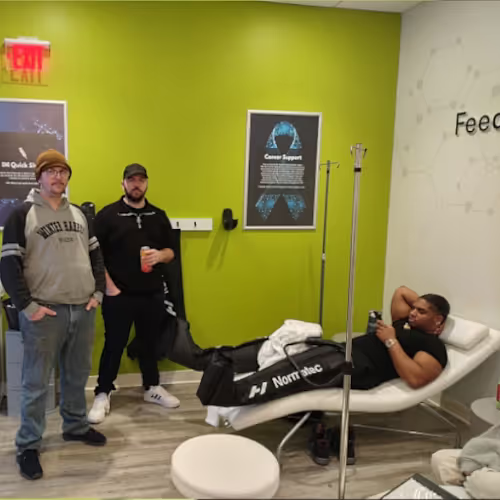
The DRIPBaR Cape Girardeau aims to provide a supportive, welcoming environment for clients pursuing proactive wellness. Our staff focuses on understanding your goals and guiding you toward options that complement your existing habits. Many guests appreciate the comfortable lounge, private treatment room, and thoughtful amenities. The goal is to make self-care accessible and stress-free. We encourage open communication and ongoing feedback to ensure each visit meets your needs.
Personalizing your routine
If you are coming from the Cape Girardeau area, our location is conveniently situated for a quick visit before or after appointments. Personalizing your immune wellness routine means considering your treatment schedule, appetite, and energy levels. Our team works with you and your oncology provider to find the right timing and approach. Every routine is unique, and adjustments are made based on your needs.
Some clients visit more frequently during high-exposure seasons or when their energy is low. Others schedule sessions around treatment cycles or busy weeks. Flexibility and communication with your healthcare provider are essential for safe, effective support.
Protein-first nutrition focus
Protein is central to immune resilience during chemotherapy. Include a protein anchor at every meal, even if portions are small. Options like yogurt, eggs, and soft tofu are easy to prepare and gentle on the stomach. When chewing is difficult, smoothies or drinkable yogurts can help meet nutrition needs.
Micro meals are especially helpful during treatment weeks, reducing overwhelm and improving tolerance when appetite is low. Aim for four to six small meals daily, each with a protein source. Calorie fluids like smoothies or broth-based soups can support both hydration and nutrition. Food safety is crucial: wash produce, avoid questionable leftovers, and use single-serve items when possible. These habits help reduce risk and support recovery.
Clients often ask about the best timing for wellness visits. The answer depends on your treatment cycle, current health, and oncology guidance. Our team helps you plan sessions for when you are most stable and likely to benefit. Communication and flexibility are key.
Exposure reduction is a high-yield strategy for immune wellness during chemotherapy. Use layered protection: masks, hand hygiene, and crowd avoidance. Plan errands and appointments during less busy times. Family members can help by following hygiene routines and staying home when sick. These steps, combined with hydration and nutrition, form a strong foundation for resilience. Adjust your approach as needed based on your risk level and current health.
Sleep and stress regulation
Sleep quality and stress management are multipliers for immune readiness. Anchor your wake time, even after a rough night, to support circadian stability. Use a simple wind-down routine: dim lights, calm breathing, and gentle stretching. Reduce decision fatigue by repeating meal templates and asking for help with errands. Small daily practices, like two minutes of slow breathing or a mind unload list, can make a meaningful difference.
Clients sometimes overlook the impact of sleep and stress on immune wellness. Consistent routines help reduce anxiety and improve energy. If sleep is disrupted, focus on maintaining a stable wake time and using calming evening habits. Adjust your plan as needed based on your response and current needs.
If you experience ongoing sleep disruption or high stress, discuss strategies with your healthcare provider. Personalized adjustments can help you maintain resilience during treatment. Support is available for every step.
The DRIPBaR Cape Girardeau is committed to supporting your wellness journey. Our team provides guidance, comfort, and a welcoming environment. We encourage open communication and ongoing feedback to ensure your experience meets your needs.
Many clients share stories of improved energy and resilience after building a comprehensive immune wellness routine. Regular visits, combined with hydration, nutrition, and exposure reduction, help maintain stability during challenging treatment cycles. Our staff is dedicated to making each visit comfortable and supportive. We value your feedback and strive to create a positive, personalized experience every time. Your wellness journey is unique, and we are here to help you take the next step.
Tracking your progress
Use a daily scorecard to monitor hydration, protein intake, sleep, and exposure events. Track functional outcomes like energy and appetite. Adjust your routine based on these observations.
Meaningful progress often looks like fewer crashes, more consistent hydration and eating, and better sleep quality. If you do not notice measurable benefits from add-ons or drips, simplify your routine and focus on foundational habits. Consistency and personalization are key to maintaining resilience during chemotherapy season.
Building a weekly plan
Instead of aiming for daily perfection, structure your immune wellness plan in weekly blocks. Include low-exposure days focused on rest and micro meals, appointment days with extra hydration, and a recovery day for gentle movement if cleared. Use a prep day to stock simple foods and hydration supplies. This approach makes routines more manageable and reduces stress.
For many, immune support during chemotherapy is about creating a system that adapts to changing needs. Weekly planning allows for flexibility and helps maintain stability across treatment cycles. Adjust your schedule based on your energy, appetite, and risk level.
Hydration and detox strategies
Hydration stations at home can make intake moments easier. Keep water, broth packets, and electrolyte options accessible in the kitchen and bedside. Use a straw cup or easy bottle for convenience. Popsicles or ice chips can help on nausea days.
Micro meal stations with visible protein options support consistent nutrition. Keep yogurt, eggs, and smoothie ingredients ready for quick meals. The goal is easy access, not variety.
- Hydration setup: Place water and electrolyte options in key areas.
- Protein access: Keep ready-to-eat protein sources visible.
- Hygiene station: Set up hand sanitizer and masks near entryways.
- Meal planning: Use simple, repeatable meal templates.
- Rest environment: Create a calm, comfortable space for recovery.
When to pause
Pause wellness visits and contact your oncology team if you experience fever, chills, uncontrolled vomiting, or other red flag symptoms. Do not address acute illness as a routine wellness issue. Medical evaluation comes first. Resume supportive routines only when cleared by your provider. Safety is always the top priority.
If you are unsure whether a symptom is routine or requires attention, err on the side of caution. Your healthcare provider can help you decide when it is safe to continue wellness services.
Clients sometimes worry about missing a session or changing their routine. Flexibility is important, adjust your plan as needed based on your health and treatment schedule. The DRIPBaR team is here to support you through every phase of your journey. Communication and collaboration with your oncology provider ensure that your wellness plan remains safe and effective.
A supportive immune wellness routine is built on hydration, nutrition, sleep, and exposure reduction. Shield drips and zinc add-ons can be helpful tools when used responsibly and with medical clearance. The most important factor is consistency, small, daily habits make the biggest difference over time. Our team is committed to helping you personalize your plan and adjust as your needs change. Your resilience is our priority.
Take the next step
If you are ready to explore immune wellness support during chemotherapy, reach out to The DRIPBaR Cape Girardeau. Our team is here to answer your questions, coordinate with your oncology provider, and help you build a routine that fits your needs. Message us for a quick, no-pressure conversation about your options. We are committed to supporting your journey with care, expertise, and a welcoming environment. Take the next step toward feeling your best, your wellness matters, and we are here to help.
Which nutrient pairings can help enhance resilience during chemotherapy?
Combining hydration with protein-rich foods and targeted nutrients may support resilience during chemotherapy. For some, pairing vitamin C, zinc, and B vitamins with a balanced diet can help maintain energy and immune wellness. Each person’s needs are unique, so routines should be tailored. Always coordinate with your oncology provider before making changes.
IV hydration for jet lag: Calm your arrival routine
This web site is for educational purposes only. It is not intended as a substitute for the diagnosis, treatment and advice of a qualified licensed professional. This site offers people health information and informs them about some of their options, but in no way should anyone consider that this site represents the “practice of medicine.” This site assumes no responsibility for how this material is used. Also note that this website frequently updates its contents, due to a variety of reasons.
At The DRIPBaR Cape Girardeau, your well-being is our top priority. Our Medical Director, Bhavanni Vaddey (License No: 291136476, MO), leads our licensed providers with expert guidance. While Bhavanni Vaddey doesn’t see clients on-site, they work closely with our licensed medical professionals, ensuring you receive safe, high-quality, and personalized care during every visit. You’re in trusted hands with a team dedicated to helping you feel your best.
- Terms of Use
- Privacy Policy
- Accessibility
- Sitemap
- (573) 203-8438
- Text Us
- Book Appointment
- Get Directions
- Message Us
- Current Promos
- (573) 203-8438
- Text Us
- Book Appointment
- Get Directions
- Message Us
- Current Promos