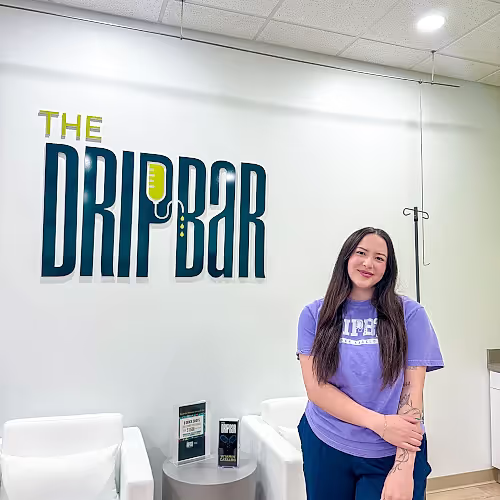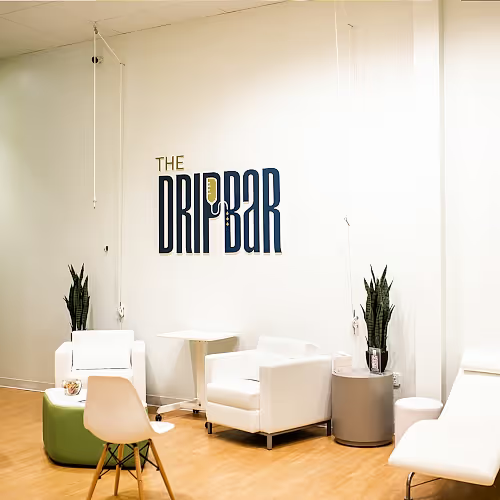

Hydration is a recurring concern for many in Cape Girardeau, especially those managing Crohn’s disease. When symptoms like diarrhea or fatigue arise, people often search for IV hydration near me to find quick, local support. The DRIPBaR Cape Girardeau is conveniently located near Southeast Hospital and West Park Mall, making it accessible for clients from across the region. This central location helps guests fit hydration sessions into their busy routines. Whether you are new to IV hydration or exploring options, understanding what to expect can help you make informed choices.
Crohn’s disease can make hydration more complex than simply drinking water. Flare-ups, medication side effects, and changes in gut absorption all play a role. That is why a personalized hydration plan is important. This blog will outline practical steps and safety tips for building a routine that fits your needs.
Crohn’s disease dehydration symptoms and routines
Crohn’s disease often leads to unique hydration challenges, especially during flare weeks. Diarrhea, reduced appetite, and medication effects can all contribute to fluid and electrolyte loss. Many people notice that plain water does not always restore their energy or comfort. Instead, routines that include electrolyte balance and hydration checkpoints tend to offer steadier support. Recognizing the signs of dehydration early may help you avoid complications and support daily wellbeing.
Electrolyte balance for diarrhea support
Electrolytes are minerals like sodium, potassium, and magnesium that help the body manage fluid balance, nerve function, and muscle activity. In Crohn’s disease, diarrhea can quickly deplete these minerals, making it harder to stay hydrated. Oral rehydration solutions are designed to replace both fluids and electrolytes, supporting absorption even when the gut is inflamed. Unlike sports drinks, these solutions use a specific balance of glucose and sodium to help the body retain water. For many, this approach feels more effective than water alone during active symptoms. It is important to choose hydration strategies that match your current needs and to discuss options with a licensed professional if you have other health conditions.
Oral rehydration solution for Crohn’s
Oral rehydration solutions can be a practical first step for mild to moderate dehydration. They are formulated to improve absorption and help maintain electrolyte balance during diarrhea. Many people find these drinks more effective than plain water when symptoms are active. Always check with your wellness specialist before starting a new hydration product. Individual needs may vary based on medical history.
Using oral rehydration solutions during flare-ups can help some people feel steadier and more comfortable. These drinks are not the same as typical sports beverages, as they are specifically balanced for absorption. Small, frequent sips are often easier to tolerate if nausea is present. Avoiding high-sugar or very salty drinks may help you avoid worsening symptoms. Pairing fluids with gentle foods, like yogurt or rice, may also support hydration. Tracking urine color and energy levels can help you adjust your routine. If symptoms escalate, seek guidance from a licensed provider.
Electrolyte drinks for Crohn’s disease are best used as part of a broader hydration plan. They can be especially helpful after travel, during heat exposure, or when appetite is low. Remember, not every day requires the same approach. Adjust your routine based on how you feel and what your body needs. Personalization is key to staying comfortable and hydrated.
IV hydration for dehydration support
IV hydration is sometimes considered when oral intake is difficult or symptoms are severe. It provides fluids and electrolytes directly into the bloodstream. This option may help support recovery after a demanding week or travel. Always prioritize safety and seek urgent care if red flag symptoms appear.
People often search for IV hydration when they feel depleted, cannot keep up with fluid losses, or need a structured reset. IV hydration at The DRIPBaR is designed for stable, screened clients who want supportive replenishment. The process typically starts with intake questions to understand your goals and current symptoms. Staff monitor comfort throughout the session, and fluids are delivered at a comfortable pace. This approach is not a replacement for medical care during severe flares or emergencies.
IV hydration may complement your wellness routine but should not delay urgent evaluation if severe symptoms develop. Always coordinate with your healthcare provider when considering new hydration strategies. Safety is the top priority for every client.
Hydration routine during Crohn’s flare
During a Crohn’s flare, hydration routines should focus on avoiding escalation of dehydration. Small, frequent sips of oral rehydration solutions can be easier to tolerate than large amounts of water. Pairing fluids with gentle foods helps maintain steadiness and comfort. Track your symptoms, including urine color, dizziness, and fatigue, to adjust your plan as needed. Rest and reduce stress whenever possible, as these factors can influence hydration status. If you experience persistent vomiting, severe pain, or signs of infection, seek medical attention promptly. Personalized routines are most effective when they match your current phase and needs.
Hydration routines may shift from day to day, especially during flare weeks. Listen to your body’s signals and adjust accordingly. Consistency and flexibility both play important roles in staying well.
Hydration routine and electrolyte drinks explained
Many people begin searching for IV hydration near me when oral fluids are not enough or symptoms become overwhelming. This search often reflects a need for fast, structured support after a flare, travel, or a demanding week. Understanding when to use oral rehydration solutions versus IV hydration can help you make informed choices. Both options have their place, depending on your current health and symptoms. The right approach is the one that fits your needs and supports your overall wellness.
Electrolyte drinks can be a valuable part of a Crohn’s hydration plan, especially during periods of diarrhea or heavy sweating. These drinks help replace minerals lost in stool and support fluid retention. Not all electrolyte drinks are created equal, so it is important to choose products designed for absorption. Pairing these drinks with gentle nutrition, like bananas or broth, can further support hydration. Avoiding excessive sugar and sodium helps you avoid unwanted side effects. Tracking your body’s response will guide future choices. Consult with a wellness coach if you have questions about which products are right for you.
Hydration routines during remission focus on consistency rather than intensity. Daily checkpoints, moderate caffeine, and hydrating foods help maintain a steady baseline. This approach can reduce the impact of small flares and support daily energy. Avoiding dehydration-driven constipation is also a key goal. Simple habits make a difference over time.
Travel hydration tips
Travel often disrupts hydration routines, especially for those with Crohn’s disease. Less access to bathrooms, salty foods, and increased stress can all contribute to dehydration. Planning ahead by packing oral rehydration solutions and tolerated snacks can help. Drink fluids before leaving home and sip regularly during your trip. Use a hydration checkpoint at your destination to reset your routine. After returning, focus on a 48 to 72 hour reset with simple meals and regular fluids. This approach helps restore balance and supports recovery after travel.
Heat and exercise can increase fluid and electrolyte needs for people with Crohn’s. Sweating, sauna use, and outdoor activities all raise the risk of dehydration. Hydrate before and after activity, and consider electrolyte support if medically appropriate. Always consult your provider if you have a history of kidney or heart concerns.
Lab markers for hydration
Licensed professionals may monitor lab markers like sodium, potassium, and magnesium to assess hydration and electrolyte status. These tests help personalize hydration routines and identify potential deficiencies. Always discuss lab results in the context of your overall health and symptoms.
Medication side effects can influence hydration planning. If you experience increased nausea or reduced appetite, consider adjusting your routine to include micro-sips and hydration foods. Seek medical guidance if symptoms persist.
IV hydration is best positioned as a supportive option for stable clients who cannot keep up with oral fluids. It is not a substitute for prescribed infusion therapies or urgent medical care. The DRIPBaR provides a comfortable, supervised environment for hydration support. Sessions begin with intake questions and are tailored to your wellness goals. Coordination with your healthcare provider is encouraged for best results.
Scheduling hydration support at The DRIPBaR can fit a variety of needs, from post-travel resets to low appetite weeks. Sessions are designed to be convenient and comfortable, with options for both group and private settings. Many guests appreciate the relaxing atmosphere and personalized care. Ongoing routines can be paired with home hydration checkpoints. Subscription options are available for those seeking regular support.
Before your visit, bring a list of medications and share any recent symptoms with your licensed provider or drip specialist. Eat a light snack if possible to reduce lightheadedness. After your session, continue hydration checkpoints and choose gentle foods. Rest and monitor your symptoms, contacting your provider if anything changes.
Crohn’s hydration tracking
Tracking hydration can help personalize your routine and reduce anxiety. Use daily metrics like energy, dizziness, and urine color to guide adjustments. Simple checkboxes for morning, lunch, and afternoon hydration checkpoints keep you on track. Note any travel, heat exposure, or medication changes that might affect your needs. If symptoms like dizziness or dark urine increase, focus on oral rehydration and contact your provider. Personal tracking builds confidence and supports steady progress.
Red flag symptoms require urgent medical care, not a wellness visit. These include confusion, fainting, very low urine output, persistent vomiting, high fever, severe pain, or significant bleeding. Wellness hydration services should never delay emergency evaluation. Always prioritize your safety and escalate care when needed.
Credible Crohn’s hydration content uses language like “may help support” and “can complement wellness routines.” Avoid claims of treatment or fix. Personalization and clinician coordination are essential for safe, effective routines.
Oral rehydration and Crohn’s wellness
Many guests from Jackson and Scott City find it easy to visit The DRIPBaR Cape Girardeau for hydration support. The central location near West Park Mall makes it a convenient stop for those balancing busy schedules. This accessibility helps clients maintain consistent wellness routines, even during challenging weeks. Personalized hydration plans are available to fit a range of needs. The team is committed to making every visit comfortable and supportive.
Oral rehydration solutions are often recommended for mild to moderate fluid loss. These drinks are designed to improve absorption and help replace lost electrolytes. Pairing them with gentle foods can enhance comfort and steadiness. Always consult with a wellness specialist before starting new products.
Hydration routine for remission
During remission, hydration routines focus on consistency and prevention. Start your day with water and include hydration checkpoints at lunch and mid-afternoon. Moderate caffeine and alcohol intake to avoid dehydration. Incorporate hydrating foods like fruit and yogurt into daily meals. These habits help maintain energy and reduce the risk of small flares.
Remission routines are about building steady habits rather than quick fixes. Daily checkpoints and balanced nutrition support overall wellness. Adjust your plan as needed based on your body’s signals. Consistency over time makes a meaningful difference.
Special anatomy considerations
Some people with Crohn’s have had surgeries that change how their body absorbs fluids and electrolytes. High-output ostomies or short bowel patterns require individualized hydration plans. Drinking large amounts of plain water can sometimes worsen dehydration in these cases. Oral rehydration solutions and sodium strategies may be especially important, but always follow your healthcare provider’s guidance. Monitoring output and signs of dehydration is essential. Avoid generic advice and seek support from experienced professionals. Personalized routines help manage unique needs safely.
If you have an ostomy or high-output pattern, hydration strategies should be clinician-directed. Tracking output and adjusting fluids may help you avoid complications. Always prioritize safety and individualized care.
Red flags for Crohn’s hydration
Seek urgent medical care if you experience confusion, fainting, or very low urine output. Persistent vomiting, high fever, or severe pain are also warning signs. Do not delay evaluation if symptoms escalate.
Wellness hydration services are not appropriate for severe flare complications or emergencies. Always escalate care if you notice rapidly worsening symptoms. The DRIPBaR team encourages coordination with your medical provider for safe, effective support. Red flag symptoms should never be managed outside a clinical setting. Your safety is always the top priority.
Hydration routine and electrolyte drinks for Crohn’s
Electrolyte drinks can help replace minerals lost during diarrhea or heavy sweating. Choose products designed for absorption and avoid excessive sugar. Pairing these drinks with gentle foods supports hydration. Adjust your routine based on daily needs.
Many people search for IV hydration near me after travel, flare-ups, or demanding weeks. This search often signals a need for structured support and guidance. The right hydration plan depends on your current symptoms and wellness goals.
Scheduling hydration support at The DRIPBaR is simple and convenient. The lounge offers both shared and private spaces for comfort and privacy. Complimentary beverages and free WiFi make each visit relaxing. The team is dedicated to providing personalized care and helping you feel your best. Subscription options are available for ongoing support.
Crohn’s-friendly electrolyte routines
Mild diarrhea days may call for water as a baseline, with oral rehydration solutions added as tolerated. Nausea-dominant days benefit from micro-sips and hydration foods. Hot days require pre-hydration and electrolyte support if appropriate. Post-travel routines focus on hydration checkpoints and gentle meals. For those with ostomies or high-output, always follow a clinician-directed plan. Personalization ensures routines match your unique needs.
Tracking your hydration helps you adjust routines and stay ahead of symptoms. Use daily metrics like urine color, energy, and dizziness to guide changes. If symptoms worsen, increase focus on oral rehydration and consult your provider. Consistent tracking supports steady progress.
- Morning hydration: Drink fluid soon after waking to start your day.
- Lunch checkpoint: Include a hydration checkpoint with your midday meal.
- Afternoon support: Take a hydration break mid-afternoon to maintain energy.
- Evening sips: Use smaller sips in the evening to avoid sleep disruption.
- Oral rehydration: Add oral rehydration solutions during active diarrhea or high fluid loss.
- Gentle nutrition: Pair fluids with easy-to-digest foods for better absorption.
- Symptom tracking: Monitor urine color, dizziness, and fatigue to adjust your plan.
- Personalized routine: Adjust hydration strategies based on daily needs and medical advice.
Direct scheduling steps
Scheduling a hydration session at The DRIPBaR Cape Girardeau is quick and easy. Start by contacting the team to discuss your goals and current symptoms. Choose a convenient time that fits your routine. Bring a list of medications and recent health changes to your visit. After your session, continue hydration checkpoints at home. Reach out if you have questions or need to adjust your plan.
The DRIPBaR team is ready to help you take the next step in your wellness journey. Personalized care and a welcoming environment make each visit comfortable. Consistent hydration routines support daily energy and recovery. Scheduling is designed to be fast and convenient. Start your routine today for a steadier tomorrow.
After your hydration session, focus on gentle foods and regular fluids to maintain progress. Avoid alcohol and prioritize rest for the remainder of the day. Continue tracking symptoms and hydration checkpoints at home. If you notice any changes or new symptoms, contact your provider promptly. Ongoing support is available for those seeking regular wellness routines.
Crohn’s hydration support takeaways
Hydration routines for Crohn’s disease are most effective when they are personalized, consistent, and responsive to your body’s signals. Electrolyte balance, oral rehydration solutions, and IV hydration each have a role depending on your needs. The DRIPBaR Cape Girardeau offers supportive, comfortable options for those seeking to maintain energy and wellness. Always coordinate with your healthcare provider and prioritize safety, especially if symptoms change. Consistent routines help you avoid dehydration spirals and support daily wellbeing. Reach out to the team for guidance or to schedule a session.
If you are feeling depleted or struggling to keep up with hydration, know that support is available. The DRIPBaR Cape Girardeau is committed to helping clients build routines that fit their lifestyle and health goals. Personalized care, a welcoming environment, and flexible scheduling make it easy to prioritize your wellness. Remember, severe symptoms require urgent medical attention. For ongoing support, consider subscription options or reach out to discuss your needs.
Additional Related Resources
For a deeper understanding of how fluid and electrolyte balance impacts Crohn’s hydration, visit this comprehensive guide on fluid and electrolyte balance basics. It explains why minerals like sodium, potassium, and magnesium are crucial for maintaining hydration, especially during periods of diarrhea or illness.
To learn more about the warning signs of dehydration and how ongoing diarrhea can affect your health, explore the Mayo Clinic’s resource on diarrhea dehydration warning signs. This page highlights symptoms to watch for and reinforces the importance of timely hydration and medical care when needed.
IV hydration for jet lag: Calm your arrival routine
This web site is for educational purposes only. It is not intended as a substitute for the diagnosis, treatment and advice of a qualified licensed professional. This site offers people health information and informs them about some of their options, but in no way should anyone consider that this site represents the “practice of medicine.” This site assumes no responsibility for how this material is used. Also note that this website frequently updates its contents, due to a variety of reasons.
At The DRIPBaR Cape Girardeau, your well-being is our top priority. Our Medical Director, Bhavanni Vaddey (License No: 291136476, MO), leads our licensed providers with expert guidance. While Bhavanni Vaddey doesn’t see clients on-site, they work closely with our licensed medical professionals, ensuring you receive safe, high-quality, and personalized care during every visit. You’re in trusted hands with a team dedicated to helping you feel your best.
- Terms of Use
- Privacy Policy
- Accessibility
- Sitemap
- (573) 203-8438
- Text Us
- Book Appointment
- Get Directions
- Message Us
- Current Promos
- (573) 203-8438
- Text Us
- Book Appointment
- Get Directions
- Message Us
- Current Promos