
Is persistent pain holding you back?
Chronic pain can linger for months, making daily routines more difficult and less enjoyable. Many people notice their comfort and mobility decrease over time. Tracking changes in how you feel can help you find supportive solutions.
Relief for Ongoing Discomfort
Personalized support for comfort.
Chronic pain can disrupt your daily rhythm, affecting everything from movement to mood. The DRIPBaR offers therapies that focus on easing inflammation, calming nerve sensitivity, and encouraging tissue repair. These services are designed to help you feel more at ease and support your body’s natural recovery. Over time, you may notice improved flexibility and a reduction in discomfort.
At The DRIPBaR Cape Girardeau, each session is tailored to your needs, with licensed providers guiding your care for safety and comfort. Our approach emphasizes gentle, integrative strategies that complement your existing plan. If you are ready to explore new options for managing pain, book your appointment today. Take the next step toward greater comfort and improved mobility.
Did you know?
Chronic pain affects nearly one in five adults and can lead to changes in mood, sleep, and daily function.
Understanding Chronic Pain Relief
Chronic pain is defined as discomfort that continues for more than three months, often lasting beyond the normal recovery period of an injury or illness. Unlike acute pain, which signals immediate harm, chronic pain can persist without a clear cause and may become a condition on its own. It can affect any part of the body and range from mild to severe, sometimes interfering with daily activities. Over time, ongoing pain can influence both physical and mental health.
Common triggers include injury, nerve damage, inflammation, autoimmune disorders, and post-surgical changes. Factors such as poor posture, stress, and lack of sleep may worsen symptoms. Managing chronic pain often involves a combination of therapies, lifestyle adjustments, and mental support. Tracking comfort and function can help guide your approach to long-term relief.
Common Symptoms of Chronic Pain
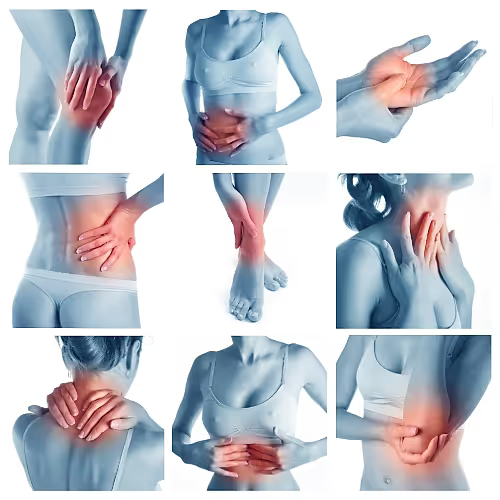
Chronic pain often appears as ongoing aches, burning, or sharp sensations that last well beyond the expected recovery time. These symptoms may be steady or fluctuate, sometimes intensifying with movement or stress. Many people also notice stiffness, reduced mobility, or muscle tightness in affected areas. The pattern and severity of pain can differ greatly among individuals.
In addition to physical discomfort, chronic pain may cause fatigue, sleep problems, and trouble focusing. Emotional symptoms like irritability, anxiety, or low mood are also common. Some people experience pain flares triggered by weather, overuse, or emotional stress. Over time, these effects can influence relationships and daily habits.
Other signs include sensitivity to touch, numbness, or tingling, especially if nerves are involved. Swelling or redness may occur with underlying inflammation. People sometimes limit movement to avoid discomfort, which can lead to muscle weakness or changes in posture. Recognizing these patterns is important for seeking effective support.
Traditional Treatments
Standard care for chronic pain often begins with medications such as anti-inflammatories, muscle relaxants, or nerve pain modulators. Physical therapy, exercise, and counseling are also commonly recommended to improve movement and address emotional impacts. Many people benefit from a combination of these strategies, tailored to their needs and underlying causes. Ongoing communication with healthcare providers helps monitor progress and adjust the plan as needed. Some individuals seek integrative therapies to reduce reliance on medication and support natural recovery. These may include wellness infusions, relaxation techniques, or lifestyle changes focused on sleep and stress management. Regular follow-up ensures that care remains effective and safe. The goal is to enhance comfort, mobility, and overall quality of life.
How IV Therapy May Help
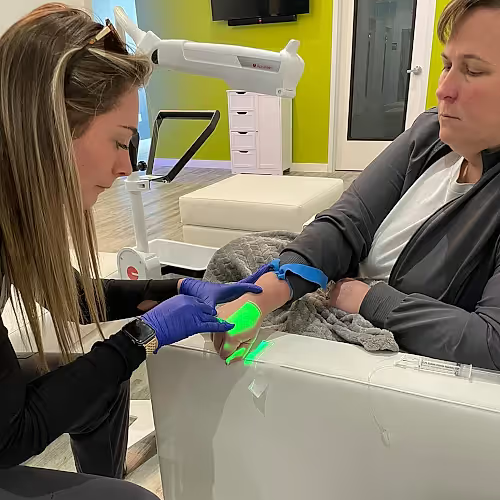
Wellness therapies at The DRIPBaR are designed to support your body’s natural recovery and address the factors that contribute to chronic pain. By delivering nutrients and hydration directly, these services may help reduce inflammation, relax muscles, and promote tissue recovery. Some people notice improved mobility or less discomfort after consistent sessions. Progress is often gradual, and results can vary from person to person. Our approach emphasizes gentle, integrative care with attention to both physical and mental well-being. Licensed providers supervise each session and tailor support to your needs. Tracking changes in comfort and function can help you see how these therapies fit into your overall plan. Ongoing communication ensures your experience is safe and aligned with your goals.
Supportive Therapies for Pain Relief
Specialized wellness services can help manage discomfort by easing muscle tension and supporting recovery. These offerings are designed to reduce inflammation and promote relaxation. Consistent care may improve mobility and overall comfort.
Soother
Soother is a restorative intravenous infusion that delivers key nutrients like Magnesium, Calcium, and Taurine directly into the bloodstream. This approach supports muscle relaxation, mental balance, and improved sleep quality. The infusion bypasses digestive limitations for faster nutrient absorption. It is designed for individuals seeking relief from stress, tension, and fatigue. The formula promotes mental clarity and physical recovery. This treatment offers a gentle way to restore balance and resilience. It fits well within a proactive wellness routine.
Ready to Get Started?
Feel your best with a treatment designed to support your goals! Whether you’re looking for hydration, energy, immune support, recovery, or overall wellness, our team will help you choose the right option and make sure your experience is comfortable from start to finish. Click the Book Appointment button below to pick your reserve a time that fits your schedule.
This web site is for educational purposes only. It is not intended as a substitute for the diagnosis, treatment and advice of a qualified licensed professional. This site offers people health information and informs them about some of their options, but in no way should anyone consider that this site represents the “practice of medicine.” This site assumes no responsibility for how this material is used. Also note that this website frequently updates its contents, due to a variety of reasons.
At The DRIPBaR Cape Girardeau, your well-being is our top priority. Our Medical Director, Bhavanni Vaddey (License No: 291136476, MO), leads our licensed providers with expert guidance. While Bhavanni Vaddey doesn’t see clients on-site, they work closely with our licensed medical professionals, ensuring you receive safe, high-quality, and personalized care during every visit. You’re in trusted hands with a team dedicated to helping you feel your best.
- Terms of Use
- Privacy Policy
- Accessibility
- Sitemap
- (573) 203-8438
- Text Us
- Book Appointment
- Get Directions
- Message Us
- Current Promos
- (573) 203-8438
- Text Us
- Book Appointment
- Get Directions
- Message Us
- Current Promos