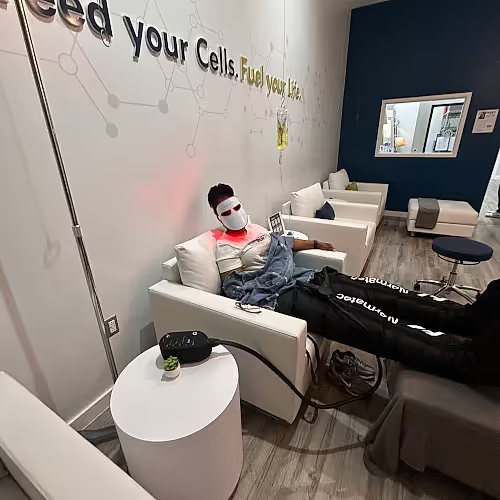

Is your sleep leaving you exhausted?
Difficulty falling asleep or waking up frequently can leave you feeling drained and unfocused. These disruptions often stem from stress, hormonal changes, or lifestyle habits. Addressing the underlying causes may help restore more consistent, restful nights.
Find Balance for Restful Nights
Gentle support for better rest.
Many people struggle with restless nights, seeking ways to improve sleep without relying solely on medication. The DRIPBaR Cape Girardeau offers IV therapies that deliver calming nutrients directly to help relax the nervous system and support natural sleep cycles. These infusions are designed to ease tension, promote relaxation, and help regulate the body’s sleep-wake rhythm. By replenishing key vitamins and minerals, this approach may encourage more restorative rest and improved daytime energy.
At The DRIPBaR Cape Girardeau, each session is tailored to your unique needs, focusing on restoring balance and supporting overall wellness. Licensed providers oversee every visit, ensuring comfort and safety throughout the process. Whether you face occasional sleeplessness or ongoing challenges, our services are designed to fit your lifestyle. Book your appointment today to explore how IV therapy may help you achieve more restful nights.
Did you know?
Chronic insomnia can weaken immunity and increase the risk of mood changes and daytime fatigue.
Understanding Sleep Disturbance & Insomnia
Sleep disturbance and insomnia are conditions marked by trouble falling asleep, staying asleep, or waking up too early. These issues may be short-term or persist over time, often influenced by stress, hormonal shifts, or changes in daily routines. The body’s sleep cycle relies on circadian rhythms, melatonin, and neurotransmitter activity, all of which can be disrupted by lifestyle or health factors. When these systems are out of balance, sleep quality suffers and daytime performance may decline.
Common triggers include high stress, irregular schedules, travel, and underlying health conditions. Managing sleep disturbance often involves improving sleep hygiene, reducing stress, and considering supportive therapies. Monitoring your sleep patterns and making gradual adjustments can help restore a healthier routine. If symptoms continue, consulting a healthcare provider is recommended.
Symptoms of Sleep Disturbance
People with sleep disturbance and insomnia may notice trouble falling asleep or waking up often during the night. Some experience light, unrefreshing sleep that leaves them groggy in the morning. These symptoms can fluctuate, sometimes improving with changes in routine or worsening during stressful periods. Recognizing these patterns is important for finding effective support.
Daytime effects often include fatigue, irritability, and difficulty concentrating on tasks. Mood swings and increased sensitivity to stress are also common, making daily responsibilities feel more challenging. Some individuals report headaches, muscle tension, or a general sense of being unwell. Over time, chronic sleep loss can impact immune function and overall well-being.
Patterns of sleep disturbance may shift with age, hormonal changes, or work schedules. Shift workers and those with irregular routines are especially prone to disrupted sleep cycles. People with underlying anxiety or mood disorders may experience more persistent symptoms. Tracking these changes can help guide supportive strategies and lifestyle adjustments.
Traditional Treatments
Standard treatments for sleep disturbance and insomnia often begin with lifestyle changes and sleep hygiene practices. These may include setting a regular bedtime, creating a calming nighttime routine, and limiting caffeine or stimulating activities before sleep. Cognitive behavioral therapy for insomnia is a widely recommended approach that addresses thoughts and behaviors interfering with rest. Medications such as sedatives or melatonin supplements may be used in some cases, but are typically reserved for short-term relief. Additional supportive strategies can involve stress management techniques, relaxation exercises, and addressing underlying medical or hormonal issues. Nutritional support, including magnesium and B vitamins, may also play a role in improving sleep quality. It is important to consult with a healthcare provider to determine the most appropriate plan for your needs. Combining several approaches often yields the best results for long-term improvement.
How IV Therapy May Help
IV therapy at The DRIPBaR provides targeted nutrients and antioxidants that may help support the body’s natural relaxation pathways. By delivering ingredients like magnesium and B vitamins directly into the bloodstream, these therapies can help calm the nervous system and promote a sense of balance. Each session is overseen by licensed providers, ensuring a safe and comfortable experience tailored to your needs. While results vary, many clients find this approach complements their overall wellness routines. IV therapy is not a replacement for medical treatment but can be a supportive option for those looking to improve sleep quality. The controlled dosing and professional supervision help ensure nutrients are delivered efficiently and safely. Clients can discuss their goals and receive guidance on integrating IV therapy with other healthy habits. This holistic approach may help address factors contributing to sleep disturbance and insomnia.
Nutrient Support for Restful Nights
Certain IV therapies deliver calming nutrients that may help regulate sleep cycles and support nighttime relaxation. These offerings focus on ingredients known to ease tension and promote restorative rest. Professional guidance helps tailor each session to individual needs.
Soother
Soother is a restorative intravenous infusion that delivers key nutrients like Magnesium, Calcium, and Taurine directly into the bloodstream. This approach supports muscle relaxation, mental balance, and improved sleep quality. The infusion bypasses digestive limitations for faster nutrient absorption. It is designed for individuals seeking relief from stress, tension, and fatigue. The formula promotes mental clarity and physical recovery. This treatment offers a gentle way to restore balance and resilience. It fits well within a proactive wellness routine.
Ready to Get Started?
Feel your best with a treatment designed to support your goals! Whether you’re looking for hydration, energy, immune support, recovery, or overall wellness, our team will help you choose the right option and make sure your experience is comfortable from start to finish. Click the Book Appointment button below to pick your reserve a time that fits your schedule.
How does stress management enhance results with Sleep Disturbance & Insomnia?
Managing stress can help regulate the nervous system and promote relaxation, which is important for improving sleep quality. Techniques such as deep breathing, mindfulness, and regular routines may reduce nighttime tension. Combining stress management with supportive therapies can enhance overall outcomes. Consistency is important for lasting benefits.
How does stress management support Sleep Disturbance & Insomnia improvement?
Effective stress management can help reduce nighttime tension and support more restful sleep. Techniques such as meditation, gentle exercise, and relaxation routines may be beneficial. Addressing stress can also improve mood and daytime focus. Integrating these practices supports a holistic approach to sleep improvement.
How does recovery time vary among people with Sleep Disturbance & Insomnia?
Recovery time can differ based on individual factors such as stress levels, lifestyle habits, and underlying health conditions. Some people notice improvements within weeks, while others may need longer to see results. Consistency with supportive routines is important for progress. Regular check-ins help track changes and adjust strategies.
How can you personalize Night rest Disturbance & Insomnia support to fit your wellness goals?
Personalizing your approach involves identifying specific triggers, lifestyle factors, and preferences. Working with licensed providers can help tailor therapies and routines to your needs. Regularly tracking your progress allows for adjustments over time. A customized plan increases the chances of lasting improvement.
This web site is for educational purposes only. It is not intended as a substitute for the diagnosis, treatment and advice of a qualified licensed professional. This site offers people health information and informs them about some of their options, but in no way should anyone consider that this site represents the “practice of medicine.” This site assumes no responsibility for how this material is used. Also note that this website frequently updates its contents, due to a variety of reasons.
At The DRIPBaR Cape Girardeau, your well-being is our top priority. Our Medical Director, Bhavanni Vaddey (License No: 291136476, MO), leads our licensed providers with expert guidance. While Bhavanni Vaddey doesn’t see clients on-site, they work closely with our licensed medical professionals, ensuring you receive safe, high-quality, and personalized care during every visit. You’re in trusted hands with a team dedicated to helping you feel your best.
- Terms of Use
- Privacy Policy
- Accessibility
- Sitemap
- (573) 203-8438
- Text Us
- Book Appointment
- Get Directions
- Message Us
- Current Promos
- (573) 203-8438
- Text Us
- Book Appointment
- Get Directions
- Message Us
- Current Promos