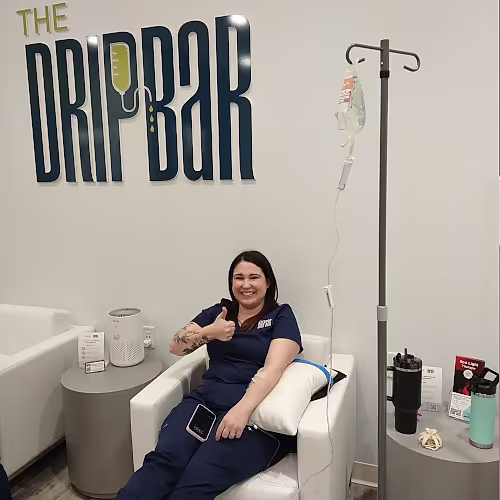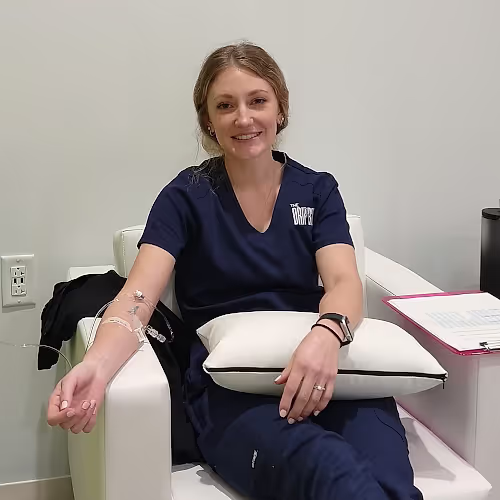

Many clients from East Glenville appreciate the easy 15-minute drive to our location for recovery support. If you are considering adding CoQ10 for workout recovery to your wellness plan, it is helpful to know what to expect. Our approach combines hydration, amino acids, and CoQ10 to create a well-rounded experience. This combination is designed to support energy, muscle repair, and overall resilience. We see a variety of clients, from athletes to busy professionals, who benefit from this stack. Each visit is tailored to your goals and current training demands.
Why recovery ingredients matter
Recovery is more than just resting tired muscles; it is a process that involves restoring fluids, repairing tissues, and rebalancing your system. Ingredients like hydration fluids, amino acids, and CoQ10 each play a unique role in this process. Hydration helps maintain blood flow and temperature regulation, while amino acids provide the building blocks for muscle repair. CoQ10 supports mitochondrial energy production, which is crucial for cellular recovery. Together, these elements create a foundation for feeling better after demanding workouts. By focusing on these basics, you can support your body’s natural ability to bounce back.
CoQ10 and exercise recovery explained
CoQ10 and exercise recovery are closely linked through the nutrient’s role in cellular energy. When you exercise, your muscles use more energy and generate more oxidative stress. CoQ10 helps support both energy production and antioxidant defenses. This makes it a popular ingredient for those looking to recover efficiently.
Hydration and electrolytes for recovery
Hydration and electrolytes for recovery are often the first step in any effective routine. Dehydration can make recovery feel harder, leading to fatigue and muscle cramps. Electrolytes help maintain fluid balance and normal muscle function. Athletes who sweat heavily or train in heat especially benefit from structured hydration. Simple habits like drinking water with meals and checking hydration mid-day can make a difference.
Amino acids for muscle recovery are another key piece. They provide the raw materials your body needs to repair and build muscle tissue. This is especially important during periods of heavy training or when protein intake is inconsistent.
Amino acids for muscle recovery
Amino acids for muscle recovery are commonly used by athletes and those with high training demands. These nutrients help support tissue maintenance and repair after intense exercise. Many people choose amino acid support when they have difficulty meeting protein needs through food alone. Endurance athletes, strength trainers, and busy professionals can all benefit from this approach. Amino acids work best when paired with adequate protein and calorie intake. They complement, but do not replace, a balanced diet. Consistency is key for seeing results over time.
CoQ10 for athletes is often discussed in the context of energy and resilience. This nutrient supports mitochondrial function, which is essential for producing ATP, the energy currency of your cells. Athletes in particular may notice steadier energy and improved recovery feel during high-output weeks. CoQ10 also plays a role in antioxidant defense, helping protect cells from exercise-induced stress. While it is not a stimulant or instant booster, its effects are most noticeable when used as part of a broader recovery plan. Pairing CoQ10 with hydration and amino acids creates a comprehensive approach to performance support.
IV therapy for workout recovery is an option for those seeking a structured reset. This approach allows you to combine hydration, amino acids, and CoQ10 in one session. Many clients find this helpful during peak training blocks or after travel.
Pairing nutrients for optimal support
The combination of hydration, amino acids, and CoQ10 for workout recovery is designed to address multiple aspects of the recovery process. Hydration improves circulation and helps you feel better quickly. Amino acids provide the building blocks for muscle repair, while CoQ10 supports cellular energy and antioxidant defenses. This trio is especially popular among athletes and those with demanding routines. By targeting fluid balance, tissue support, and mitochondrial health, the stack offers a well-rounded recovery experience.
Hydration and electrolytes for recovery are often the fastest way to improve how you feel after exercise. Adding amino acids and CoQ10 can further support your body’s natural repair processes. Together, these ingredients create a strong foundation for consistent performance.
CoQ10 and exercise recovery routines are most effective when paired with good sleep and nutrition. The goal is to complement, not replace, your core recovery habits. Consistency and balance are key to seeing real benefits over time.
Mitochondrial support supplements
Mitochondrial support supplements focus on enhancing cellular energy production. CoQ10 is a leading example, helping your body generate ATP efficiently. This can be especially helpful during periods of high training stress.
- Hydration focus: Drinking water with every meal supports fluid balance.
- Electrolyte check: Use electrolytes on sweat-heavy days for better recovery feel.
- Protein intake: Consistent protein helps maintain muscle and repair tissue.
- Sleep routine: Protecting your sleep is essential for adaptation and resilience.
- Balanced stack: Combining hydration, amino acids, and CoQ10 supports overall recovery.
IV therapy for workout recovery
IV therapy for workout recovery offers a convenient way to combine multiple supportive ingredients in one visit. Many clients choose this option during peak training weeks or after travel disrupts their routines. The process typically includes hydration fluids, amino acids, and CoQ10 for a comprehensive approach. Licensed professionals guide each session to ensure comfort and safety. This method can help reinforce healthy habits and provide a structured reset.
Amino acids for muscle recovery are most effective when used alongside a balanced diet and regular training. They are not a substitute for whole protein sources but can help fill gaps during busy periods. Many endurance and strength athletes rely on amino acid support during high-volume training blocks. This approach helps maintain muscle and supports faster bounce-back. Consistency in both nutrition and supplementation is important for optimal results. Always discuss new routines with a wellness professional if you have underlying health concerns.
CoQ10 for athletes is valued for its role in supporting steady energy and resilience. It is not a stimulant, but rather a nutrient that helps maintain cellular function. Many notice benefits during periods of intense training.
Hydration and electrolytes for recovery are especially important during hot weather or long workouts. Dehydration can lead to headaches, muscle cramps, and increased fatigue. Electrolytes help maintain normal muscle and nerve function, making recovery smoother. Simple habits like checking hydration mid-day and using electrolytes after heavy sweat loss can make a noticeable difference. Prioritizing these basics supports better performance and overall well-being.
Amino acids for muscle recovery
Amino acids for muscle recovery are a practical addition to many training routines. They support tissue repair and help maintain muscle during periods of high demand. People who train frequently or have inconsistent protein intake may benefit from this support. Amino acids work best when combined with adequate calories and carbohydrates. They are not a replacement for whole foods but can help fill nutritional gaps. For best results, use them as part of a comprehensive recovery plan.
Mitochondrial support supplements like CoQ10 are often chosen for their role in energy production. These nutrients help your body recover from physical stress. They are especially relevant for athletes and those with demanding schedules.
CoQ10 and exercise recovery routines are most effective when paired with hydration and amino acids. This combination addresses fluid balance, muscle repair, and cellular energy. Many clients notice improved resilience and steadier energy during high-output periods. The goal is to support your body’s natural recovery processes. Always prioritize foundational habits like sleep and nutrition.
IV therapy for workout recovery is a structured way to combine hydration, amino acids, and CoQ10 in one session. Many clients find this approach helpful during peak training blocks or after travel. The process is guided by licensed professionals who tailor the session to your needs. Comfort and safety are prioritized throughout the visit. Aftercare includes hydration guidance and nutrition tips to maximize recovery. This method can help reinforce healthy habits and provide a reliable reset.
Mitochondrial support supplements like CoQ10 are not instant boosters but can help maintain steady energy. Their effects are most noticeable when used consistently. Many athletes and busy professionals include them in their routines for added resilience. Always discuss new supplements with a wellness specialist if you have health concerns. The focus should remain on balanced habits and overall well-being.
What to expect during your visit
We often see clients from East Glenville who make the short drive for recovery-focused visits. When you arrive, our team will guide you through a comfortable intake process. You will discuss your goals, training schedule, and any specific recovery needs. Licensed professionals will review your health history and current routines. Each session is tailored to your unique situation, ensuring you feel supported and informed. After your visit, you will receive aftercare tips to help you maintain progress.
A typical recovery session includes hydration fluids, amino acids, and CoQ10 for a comprehensive approach. The process begins with a review of your goals and any recent changes in your training or lifestyle. Licensed professionals ensure your comfort and safety throughout the visit. After your session, you will receive guidance on hydration, nutrition, and gentle movement. This holistic approach helps reinforce healthy habits and supports ongoing recovery.
Aftercare tips
After your recovery visit, continue to focus on hydration for the next 24 to 48 hours. Drink water steadily and use oral electrolytes if you are training or sweating. Plan a balanced recovery meal that includes protein, carbohydrates, and colorful produce. Gentle movement, such as a short walk or light mobility work, can help reduce stiffness. Prioritize sleep by aiming for an earlier bedtime and limiting late caffeine. These habits support your body’s natural recovery processes.
Safety is always a priority during and after your visit. Disclose any heart, kidney, or blood pressure concerns before starting a new routine. CoQ10 is generally well tolerated but may cause mild stomach upset if taken without food. Amino acids are safe for most people but should be discussed if you have kidney issues or specialized dietary needs. Watch for any unusual symptoms and contact a medical professional if needed. Your comfort and well-being are our main focus.
Supplement routine notes
Many clients choose to use oral CoQ10 between visits for steady support. Take it with a meal containing fat for best absorption. Ubiquinone and ubiquinol are both effective options, so choose the one you can take consistently. Track your energy, recovery feel, and sleep quality to monitor progress. Consistency is more important than the specific form you choose.
Pairing oral CoQ10 with hydration and a balanced diet can help maintain energy and resilience. Many athletes prefer to take their supplement earlier in the day. This routine supports steady vitality without acting as a stimulant. Always discuss new supplements with a wellness professional if you have questions. Personalization is key to finding what works best for you.
Tracking your recovery can help you notice patterns and make adjustments. Pay attention to energy steadiness, workout readiness, and sleep quality. Note any changes in soreness or mood during heavy training weeks. These observations can guide your routine. Share your findings with your wellness team for tailored advice.
Safety-forward planning is essential for all recovery routines. Always disclose medications, health conditions, and sensitivities before starting new supplements or therapies. Mild effects like bruising or lightheadedness can occur with injections or IVs. Watch for red flags such as severe dizziness, chest pain, or swelling at the site. Seek medical attention if any serious symptoms develop. Your safety and comfort are our top priorities.
Clients choose our recovery stack for its balanced approach to hydration, muscle support, and cellular energy. The combination of fluids, amino acids, and CoQ10 addresses multiple aspects of recovery. Many notice improved energy, resilience, and readiness for their next workout. Our team provides clear guidance and a supportive environment. Each visit is tailored to your unique needs and goals. Ongoing support helps you maintain progress and feel your best.
Who benefits most
Endurance athletes in peak mileage often rely on this stack for recovery. Strength trainers use it to manage soreness and maintain performance. Busy professionals and travelers benefit from the structured reset. Anyone seeking steady energy and resilience may find value. Personalization ensures the best fit for your routine.
The recovery stack is especially helpful during periods of high stress or disrupted routines. It supports hydration, muscle repair, and cellular energy. Many clients notice a difference in how they feel and recover. Consistency and balance are key to long-term results.
Myths and realities of recovery
There are several myths about recovery supplements that can lead to confusion. One common belief is that CoQ10 can replace the need for sleep, but rest remains the primary driver of recovery. Another misconception is that amino acids can substitute for whole protein sources, when in fact they work best as a complement. Hydration is often seen as just drinking water, but electrolytes are crucial during heavy sweat loss. More ingredients do not always mean better results; simplicity and consistency are often more effective. Understanding these realities helps set realistic expectations and supports smarter choices.
CoQ10 for workout recovery is not a cure-all but can be a valuable part of a well-rounded plan. Its benefits are most noticeable when combined with sleep, nutrition, and hydration. Use it to support your body’s natural recovery, not as a replacement for foundational habits.
Tracking your results
Tracking your results helps you understand what works best for your recovery. Monitor energy levels, sleep quality, and workout readiness. Note any changes in soreness or mood. Share your observations with your wellness team for personalized advice.
Consistency is key when evaluating new routines. Give your body time to adjust and notice patterns over several weeks. Adjust your plan as needed based on your experiences.
- Energy steadiness: Track how your energy feels throughout the day.
- Workout readiness: Note your motivation and performance before sessions.
- Sleep quality: Observe changes in how well you rest at night.
- Soreness patterns: Pay attention to muscle recovery after workouts.
- Hydration habits: Monitor your fluid intake and thirst cues.
- Nutrition balance: Ensure you are eating enough protein and carbs.
- Supplement consistency: Stick to your routine for best results.
Hydration and electrolyte support during recovery
Hydration and electrolyte support during recovery are essential for maintaining performance and well-being. Water alone may not be enough after heavy sweat loss. Electrolytes help restore balance and support normal muscle function. Simple habits like drinking water with meals and using electrolytes on hot days can make a big difference. Prevention is more effective than reacting after feeling depleted.
Many athletes and active individuals rely on structured hydration routines during peak training blocks. IV therapy can provide a convenient way to combine fluids, amino acids, and CoQ10 in one visit. This approach supports recovery and helps reinforce healthy habits. Always tailor your routine to your unique needs and training demands. Consistency and balance are key for long-term results.
Supplement routines should be simple and sustainable. Choose products you can take consistently and pair them with balanced meals. Track your progress and adjust as needed. Personalization is important for finding what works best for you.
Aftercare is an important part of any recovery plan. Continue to hydrate, eat balanced meals, and prioritize sleep after your session. Gentle movement can help reduce stiffness and support circulation. Watch for any unusual symptoms and contact a wellness professional if needed. Consistency in aftercare supports ongoing progress. Your well-being is our top priority.
Clients who use the recovery stack often report feeling more resilient and ready for their next workout. The combination of hydration, amino acids, and CoQ10 addresses multiple aspects of recovery. Many notice improved energy, reduced soreness, and better overall well-being. Our team is here to guide you through each step and provide personalized support. Every visit is tailored to your goals and needs. Ongoing care helps you maintain progress and feel your best.
Driving Directions From East Glenville, New York
Visit us from East Glenville today for recovery support
- Start in East Glenville, New York.
- Head toward St Anna Ln. (About 0.3 miles / 1 min)
- Continue to NY-146 E and merge onto NY-146 E toward Clifton Park.
- Follow NY-146 E toward Clifton Park. (About 7.0 miles / 12 min)
- Turn onto Clifton Country Rd in Clifton Park.
- Continue on Clifton Country Rd to your destination. (About 0.3 miles / 2 min)
- Arrive at The DRIPBaR Clifton Park, 15 Clifton Country Rd Suite 8, Clifton Park, NY 12065.
Ready to support your recovery journey?
If you are considering adding CoQ10, hydration, and amino acids to your recovery routine, our team is here to help. Review what to expect and explore the benefits before making your decision. We prioritize your comfort and well-being at every step. Take the next step toward feeling your best.
Our approach is designed to support your unique goals and training demands. Every visit is tailored to your needs, ensuring you receive personalized guidance and care. If you are ready to schedule, confirm your preferred time and lock in your spot. We look forward to helping you recover, recharge, and thrive.
Additional Related Resources
For a deeper understanding of CoQ10, its benefits, and safety considerations, visit the Mayo Clinic’s resource on CoQ10 basics benefits and safety considerations. This page covers how CoQ10 works in the body, common side effects, and important factors to consider when adding it to your routine.
If you want to learn more about hydration and electrolyte support during periods of heavy sweat loss, the National Institute for Occupational Safety and Health provides a helpful guide. Check out their fact sheet on hydration and electrolyte support during heavy sweat loss for practical tips and prevention strategies.