
Many travelers flying into Albany International Airport find it easy to reach our location for wellness support after a long trip. If you’re looking for a structured approach, IV hydration for Crohn’s can be a helpful anchor in your recovery-day routine. This service is especially appealing after travel, when dehydration and fatigue often stack up. Our team welcomes clients from all over the Capital Region, making it convenient to reset and recharge.
A recovery-day stack is not a care for Crohn’s disease, but rather a wellness strategy that complements your ongoing care. It is best suited for stable individuals seeking to reinforce healthy habits and support overall wellbeing. This approach is about creating a calm, restorative environment where hydration, gentle movement, and relaxation come together. Always consult your healthcare provider if you have concerns or experience severe symptoms.
Crohn’s recovery day: what to expect
A recovery-day stack combines IV hydration, compression boots, and red light therapy to support your body after periods of stress, travel, or flare recovery. Each service is chosen for its ability to reinforce hydration, circulation, and relaxation in a low-demand setting. The goal is to create a structured, supportive experience that helps you feel more grounded. This routine is designed for people who want to maintain consistency in their wellness habits.
Clients often notice a sense of reset after a recovery-day appointment. The combination of hydration and passive recovery tools can help restore routine and comfort. While results vary, many people appreciate the calm environment and scheduled downtime. It’s a gentle way to reinforce healthy habits.
IV hydration wellness explained
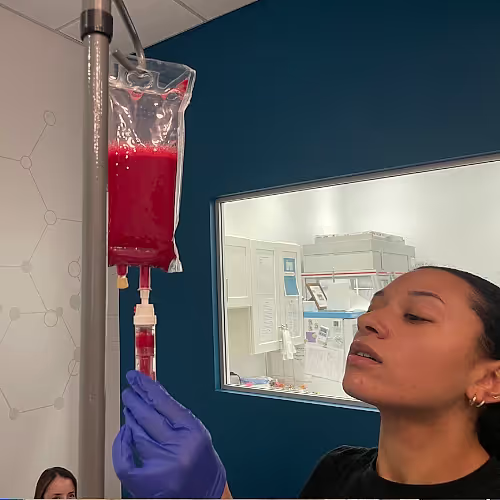
Hydration is the base layer of recovery for anyone managing Crohn’s. IV hydration may help support fluid balance when oral intake is difficult, especially after travel or during recovery weeks. Screening is always required to ensure safety and appropriateness.
Compression boots recovery routine
Compression boots use gentle, rhythmic pressure along your legs to encourage circulation and comfort. Many people find these sessions relaxing, especially after long periods of sitting or travel. For Crohn’s clients, this can be a low-effort way to support recovery without taxing the digestive system. Always disclose any history of clotting or vascular issues before use.
Compression boots are often used as part of a post-travel or post-flare recovery routine. They may help reduce the feeling of heaviness and stiffness that can follow long days or high-stress periods. Some clients choose to pair compression with IV hydration for a more complete recovery experience. Safety screening is essential, especially for those with swelling, recent surgery, or vascular concerns. If discomfort or numbness occurs, sessions should be paused and reassessed.
Red light therapy wellness
Red light therapy, also known as photobiomodulation, uses specific wavelengths of light to support cellular signaling and recovery. Many people find these sessions calming and restorative, especially after periods of fatigue or low movement. For Crohn’s clients, red light therapy can be a gentle addition to a recovery-day stack, supporting skin comfort and relaxation. Always discuss medication use and photosensitivity with your provider before starting. Eye protection and proper session settings are important for safety.
Red light therapy is often scheduled after hydration or as a standalone add-on for those who prefer a non-contact recovery tool. It is not a care for Crohn’s disease, but some people appreciate the calming effect and support for skin resilience. Sessions are brief and designed to fit into a low-demand recovery day. If you have a history of photosensitivity or skin conditions, consult your provider before use. Always follow device guidance for safe and effective sessions.
Post flare recovery routine
IV hydration for Crohn’s is often the foundation of a post-flare recovery routine, helping to replenish fluids lost during symptom weeks. Many clients notice improved comfort and steadier energy when hydration is paired with gentle nutrition and rest. Adding compression boots and red light therapy can further support circulation and relaxation, creating a comprehensive recovery experience. This approach is not a substitute for medical care during severe flares. Instead, it offers a structured way to rebuild routines as you regain stability.
A typical post-flare recovery day might start with a hydration session, followed by a short period in compression boots to ease stiffness and promote circulation. Red light therapy can be added as a calming end to the visit, supporting skin comfort and a sense of relaxation. Throughout the next 72 hours, clients are encouraged to continue hydration checkpoints, eat gentle protein-first meals, and prioritize sleep. Light movement, such as a short walk, can help restore energy if tolerated. Tracking symptoms and energy levels helps guide next steps and ensures ongoing safety.
Travel dehydration recovery tips
Travel can stack up dehydration, fatigue, and disrupted routines, making recovery a priority for many Crohn’s clients. Hydration-first strategies, paired with passive recovery tools, help reset fluid balance and comfort. Scheduling a recovery-day stack after travel can make the transition home smoother.
- Hydration focus: Start with water and consider oral rehydration solutions if needed.
- Gentle meals: Choose protein-first foods that are easy on the gut.
- Rest priority: Plan for early wind-down and extra sleep after travel.
- Movement support: Use compression boots or short walks to ease stiffness.
High-stress season wellness
High-stress periods can disrupt sleep, hydration, and nutrition, increasing the risk of fatigue and flare-ups. A recovery-day stack provides a structured way to reset routines and support calm. Hydration, relaxation tools, and gentle movement can help restore balance and resilience.
During high-stress seasons, it is common for routines to slip and symptoms to feel more pronounced. Scheduling a recovery-day appointment can serve as a habit anchor, helping you refocus on hydration and self-care. Compression boots and red light therapy add layers of relaxation and comfort to the process. Over the following days, continue to prioritize hydration, protein-rich meals, and restful sleep. If symptoms worsen or new concerns arise, reach out to your healthcare provider promptly.
The synergy of hydration, compression, and red light therapy lies in their complementary effects on comfort and recovery. Hydration supports energy and fluid balance, while compression and red light offer passive ways to relax and restore. Together, they create a recovery ritual that reinforces healthy habits and scheduled downtime. This approach is most effective when paired with a 72-hour follow-through plan. Consistency is key for ongoing wellness.
Building a recovery-day stack into your routine can help make wellness habits stick. Start with a water-first evening and gentle dinner after your session. On the following days, check in with hydration, eat protein at each meal, and include light movement if tolerated. Avoid caffeine late in the day and prioritize sleep to support full recovery. Review your energy, sleep, and symptoms after 72 hours to assess progress. If fatigue or symptoms persist, consult your provider for further evaluation.
Safety and screening
Screening is essential before starting any recovery-day stack, especially for those with kidney, heart, or clotting concerns. Always disclose recent symptoms, medication use, and any history of swelling or vascular issues. This ensures your wellness plan is safe and appropriate.
Red flags that require urgent medical evaluation include persistent vomiting, very low urine output, fainting, confusion, high fever, severe abdominal pain, or significant bleeding. If you experience any of these symptoms, seek immediate medical attention rather than scheduling a wellness session. Wellness services should never delay urgent care. Always prioritize your safety and communicate openly with your provider about any changes in your health. Responsible screening builds trust and protects your wellbeing.
If discomfort, numbness, or pain occurs during a session, stop immediately and inform your provider. Adjustments or alternative approaches may be needed for your safety. Listening to your body is an important part of any recovery routine.
Integrating wellness services responsibly
Many clients who land at Albany International Airport appreciate the short 26-minute drive to our location for a recovery-day appointment. We emphasize hydration-first routines, combining IV hydration, compression boots, and red light therapy in a supportive environment. Our team prioritizes comfort, personalization, and clear boundaries to ensure every client feels safe and cared for. We encourage coordination with your healthcare provider for ongoing symptoms or complex needs. Your wellness journey is unique, and we are here to support your goals.
Our approach is rooted in education, safety, and collaboration. Intake conversations include a review of symptoms, hydration status, and relevant medical history. We tailor recommendations to your needs, always respecting your boundaries and preferences. Ongoing feedback helps us refine your experience and maintain high standards of care.
The DRIPBaR Clifton Park is committed to providing a calm, welcoming space where clients can focus on recovery and self-care. Our licensed providers bring clinical expertise and compassion to every appointment. We believe that wellness should be accessible, supportive, and grounded in best practices. Your comfort and safety are always our top priorities.
Pre-visit guidance
Before your visit, disclose any recent changes in symptoms, especially nausea, vomiting, fever, or bleeding. Share your kidney, heart, and blood pressure history, as well as any medications that may affect photosensitivity. Eat a light snack if tolerated to reduce lightheadedness during your session. Avoid alcohol on the day of your appointment for best results. If you have urgent symptoms, seek medical care before scheduling a wellness session.
After your session, continue hydration checkpoints and gentle meals to support recovery. Prioritize rest and monitor your energy and symptoms over the next 72 hours. Contact your provider if you notice any concerning changes.
Tracking your progress helps ensure your recovery-day stack is working for you. Adjust routines as needed and communicate openly with your healthcare provider. Consistency and feedback are key to ongoing wellness.
Post-visit recovery plan
Continue to hydrate and eat gentle, protein-first meals after your visit. Prioritize sleep and low-impact movement as tolerated. Monitor your symptoms and energy for the next few days.
If you experience new or worsening symptoms, reach out to your provider promptly. Ongoing communication supports your safety and wellbeing. Adjust your routine as needed based on your recovery and feedback.
Why choose The DRIPBaR Clifton Park
Our location stands out for its clinical standards, compassionate care, and community connection. Licensed providers with critical care backgrounds ensure every service is performed with precision and safety. We offer a calm, spa-like environment designed for relaxation and recovery. Clients appreciate our personalized approach, from intake to follow-up. Community involvement and ongoing education are central to our mission. We are dedicated to helping you feel better and live healthier.
Clients return for the consistent care, welcoming environment, and noticeable benefits they experience. Our team remembers your preferences and celebrates your progress. We strive to make every visit positive and supportive.
Whether you are new to wellness services or building on an established routine, our team is here to guide and support you. We focus on safety, comfort, and individualized care every step of the way. Your wellness journey is our priority.
Building your post flare recovery day
A successful recovery-day stack starts with hydration, followed by compression boots and red light therapy for added comfort. Each step is designed to support your body’s natural recovery processes. The routine is flexible and can be tailored to your needs. Consistency helps reinforce healthy habits over time.
Many clients find that including IV hydration for Crohn’s in their recovery-day routine makes a noticeable difference in how they feel. Pairing hydration with gentle meals, rest, and light movement can help restore energy and comfort. The goal is to create a sustainable plan that fits your lifestyle. Always listen to your body and adjust as needed.
72-hour follow-through plan
After your recovery-day appointment, focus on hydration checkpoints and protein-rich meals for the next three days. Include gentle movement, such as short walks, if tolerated. Prioritize sleep and reduce caffeine intake after late morning. Review your energy and symptoms at the end of the 72 hours.
If fatigue or symptoms persist, consider reaching out to your provider for further evaluation. Ongoing communication supports your long-term wellness. Adjust your routine based on your progress and feedback.
- Hydration checkpoints: Drink water consistently throughout the day.
- Protein-first meals: Choose eggs, yogurt, or gentle proteins with each meal.
- Gentle movement: Take short walks or do light stretching if tolerated.
- Sleep protection: Aim for early wind-down and restful nights.
- Stress downshifts: Use breathing exercises or quiet time to relax.
- Symptom tracking: Monitor energy, stool patterns, and comfort daily.
- Clinician follow-up: Contact your provider if symptoms worsen or persist.
Common recovery-day mistakes
Avoid heavy, greasy meals or alcohol after your recovery-day stack. Do not schedule intense workouts immediately following your session. Steer clear of starting multiple new supplements on the same day. Always prioritize safety and gradual progress.
Do not use wellness services to delay urgent medical care if you have severe symptoms. Listen to your body and communicate openly with your provider. Responsible choices support better outcomes.
Building a recovery-day stack into your routine can help anchor healthy habits and support ongoing wellness. Focus on hydration, gentle meals, and rest in the days following your session. Adjust your plan based on how you feel and any feedback from your provider. Consistency and self-awareness are key to long-term success. Remember, wellness is a journey, not a destination. Your efforts today lay the foundation for better days ahead.
Driving Directions From Albany International Airport
Visit The DRIPBaR Clifton Park Today
- Start at Albany International Airport, 737 Albany Shaker Rd, Albany, NY 12211.
- Get on I-87 from NY-155 E. (About 2.8 miles / 9 min)
- Merge onto I-87 N and continue toward Clifton Park.
- Take exit 9 from I-87 toward NY-146 W. (About 9.7 miles / 10 min)
- Continue on NY-146 W toward Clifton Park.
- Turn onto Clifton Country Rd and continue to your destination. (About 0.7 miles / 4 min)
- Arrive at The DRIPBaR Clifton Park, 15 Clifton Country Rd Suite 8, Clifton Park, NY 12065.
Review your recovery plan and next steps
Take a moment to review your likely outcomes and timelines after a recovery-day stack. Discuss any questions or concerns with your wellness specialist before your next visit. Aligning expectations helps ensure a positive, supportive experience.
Remember that results vary and ongoing communication is key to your wellness journey. Schedule a follow-up if you have new symptoms or want to adjust your routine. Your comfort and safety always come first.
Additional Related Resources
For more information on how travel, heat, and illness can impact hydration, visit the Mayo Clinic’s page on travel dehydration symptoms and recovery basics. This resource explains the importance of recognizing dehydration and when to seek medical care.