
At The DRIPBaR Clifton Park, we often see clients from nearby communities who are searching for practical ways to manage digestive discomfort. If you have struggled with bloating, you know that a one-size-fits-all solution rarely works. Our approach emphasizes steady hydration, balanced electrolytes, and habits that support gut health. This combination can make a noticeable difference, especially for those who want to feel lighter and more at ease throughout the day.
A flatter-feeling stomach is not about quick fixes or drastic changes. Instead, it is the result of consistent, gentle routines that address multiple causes of bloating. By understanding your own patterns and making small adjustments, you can find a routine that fits your lifestyle and brings real comfort.
Why Bloating Happens
Bloating is a common experience, but its causes are often layered and unique to each person. Gas production, swallowed air, constipation, fluid shifts, and food sensitivities all play a role in how your abdomen feels. For some, eating quickly or choosing carbonated drinks can increase bloating, while others may notice more discomfort after high-sodium meals or periods of stress. Recognizing these patterns is the first step toward relief. By tracking what triggers your symptoms, you can start to make targeted changes. Over time, these adjustments may help you feel more comfortable and less distended.
Bloating Relief Strategies
Finding bloating relief often means combining hydration, electrolytes, and gut-friendly habits. Each of these elements supports digestive comfort in a different way. Hydration helps keep things moving, while electrolytes balance fluid and energy. Gut-friendly routines reduce swallowed air and support regularity.
Hydration for Bloating Relief
Drinking water steadily throughout the day may help you avoid constipation and reduce the feeling of fullness. Avoid chugging large amounts at once, as this can make bloating worse. Instead, focus on sipping fluids and pairing them with meals in moderation.
Warm beverages like herbal tea may feel gentler on the stomach than cold or carbonated drinks. Many people find that starting the day with water and continuing with small amounts during meals supports digestion. If you notice bloating after salty foods, increasing your water intake can help restore balance. Personalizing your hydration routine is key to finding what works best for you.
Electrolytes for Digestive Comfort
Electrolytes such as potassium, magnesium, and sodium play a role in fluid balance and muscle function. Including potassium-rich foods like bananas or leafy greens can help reduce sodium-related water retention. For those who sweat heavily or feel washed out after drinking lots of water, a gentle electrolyte drink may be beneficial.
Choose electrolyte options that are low in sugar and free from sugar alcohols if you are sensitive to bloating. Pairing these drinks with food and tracking your response over a few days can help you find the right balance. Remember, moderation is important, and food sources are often the gentlest option.
Gut-Friendly Habits for a Flatter Stomach
Simple changes in daily habits can make a big difference for those dealing with bloating. Slowing down at meals, chewing thoroughly, and avoiding talking while eating can reduce swallowed air and support a calmer gut. For many, the sensation of bloating is closely tied to how quickly they eat and the types of beverages they choose. Incorporating a short walk after meals can help move gas and ease discomfort. Wearing comfortable clothing and maintaining good posture also support digestive comfort. When bloating is active, skipping carbonated drinks and focusing on still water can be especially helpful. Paying attention to your bloating patterns and making small, consistent changes can lead to noticeable improvements in bloating.
Supporting regularity is another key part of a gut-friendly routine. Responding to natural urges, building a morning bathroom habit, and using a footstool for a more natural posture can all help. Gentle movement, such as yoga or stretching, encourages motility and can relieve pressure. Stress management techniques, including deep breathing before meals, may calm the gut-brain connection. For those who experience bloating after eating, tracking meal size, fiber intake, and stress levels can reveal helpful patterns. Over time, these habits can make a real difference in how you feel each day.
Reducing Bloating After Eating
Many people notice that bloating worsens after meals, especially if they eat quickly or choose large portions. Slowing down, eating smaller meals, and planning a light snack later can help minimize discomfort. If you are prone to bloating, try cooked vegetables and avoid very high-fiber or raw foods at dinner.
Walking for five to fifteen minutes after eating can help move gas and support digestion. Diaphragmatic breathing before meals may also reduce bloating by activating the body’s relaxation response. Avoiding gum, straws, and carbonated drinks during active bloating periods is a simple way to cut down on swallowed air. Keeping a log of what you eat and how you feel can help identify triggers. Over time, these strategies can lead to a more comfortable, flatter-feeling stomach.
Hydration and Electrolytes for Bloating
Hydration and electrolytes work together to support digestive comfort and reduce bloating. Drinking water steadily, rather than all at once, helps keep stool soft and supports regularity. Electrolytes from food sources like bananas, potatoes, and leafy greens can balance fluid and reduce puffiness. For those who exercise or sweat heavily, a gentle electrolyte drink may be helpful, but it is important to avoid products with sugar alcohols or high carbonation. Pairing fluids with meals in moderation can keep the stomach from feeling overly full. Warm beverages may be easier on the gut than cold or fizzy options. Tracking your hydration and electrolyte intake can help you find the right routine for your needs.
Some people benefit from magnesium-rich foods or supplements, but it is best to start with small amounts and monitor your response. If you notice that bloating improves on days with more water and movement, this may be a sign that hydration is a key factor for you. Electrolyte balance is especially important after travel, illness, or intense activity. By focusing on steady, balanced intake, you can support both comfort and energy. Personalizing your approach is essential for lasting results.
When it comes to managing bloating, consistency is more effective than extreme changes. Quick fixes, such as harsh laxatives or excessive water loading, can backfire and make symptoms worse. Instead, aim for gradual adjustments that fit your lifestyle and preferences. Keeping a simple log of your habits and symptoms can help you identify what works best. Over time, a steady routine of hydration, electrolytes, and gut-friendly habits can lead to a noticeable difference in bloating and overall comfort. Remember, the goal is to feel better day by day, not to chase instant results.
Tracking Your Progress
A seven-day bloating log can reveal patterns and help you fine-tune your routine. Track meal timing, fluid intake, fiber, and stress levels. Noting when bloating occurs and what brings relief can guide your next steps.
For example, lower belly bloating that improves after a bathroom visit may point to constipation, while upper belly bloating after meals could relate to portion size or carbonation. If you notice that stress or poor sleep makes symptoms worse, consider adding relaxation techniques to your routine. Over time, these insights can help you personalize your approach. The more you understand your own patterns, the easier it becomes to make changes that last. Consistent tracking is a powerful tool for long-term comfort.
If you experience persistent or severe bloating, it is important to seek guidance from a licensed professional. Some symptoms, such as severe pain, fever, or unexplained weight loss, require prompt evaluation. Wellness services like those at The DRIPBaR Clifton Park can complement healthy habits, but they are not a substitute for medical care. Always listen to your body and reach out for support when needed. Your comfort and safety should always come first.
Food Habits for Digestive Comfort
Many clients from Clifton Park and surrounding areas tell us that making small food changes has helped them feel lighter and more comfortable. Identifying and reducing common triggers, such as carbonated drinks or sugar alcohols, can make a noticeable difference. Cooking vegetables and choosing moderate portions may also improve tolerance. Gradual adjustments are often more effective than strict elimination diets.
Fiber plays a major role in digestive comfort, but increasing it too quickly can cause more gas and bloating. Focus on gentle sources like oats, cooked vegetables, and certain fruits. Pairing fiber with adequate water and movement supports regularity.
Fermented foods and probiotics may help some people, but results vary widely. Start with small servings and track your response over several days. Digestive enzymes can be useful for specific meals, especially if you have known sensitivities. Personalization and patience are key when adjusting your food routine.
Routine Adjustments for Special Scenarios
Travel, intense workouts, and menstrual cycles can all affect bloating patterns. Before travel, focus on steady hydration and simple meals. After exercise, replenish fluids and electrolytes as needed. During high-fiber health kicks, increase fiber slowly and spread it across meals to avoid discomfort.
If you have a sensitive gut, consider reducing FODMAP load and avoiding sugar alcohols or carbonation for a few days. Gentle movement and stress reduction can also help. Always listen to your body and adjust your routine as needed.
Wellness Services and Support
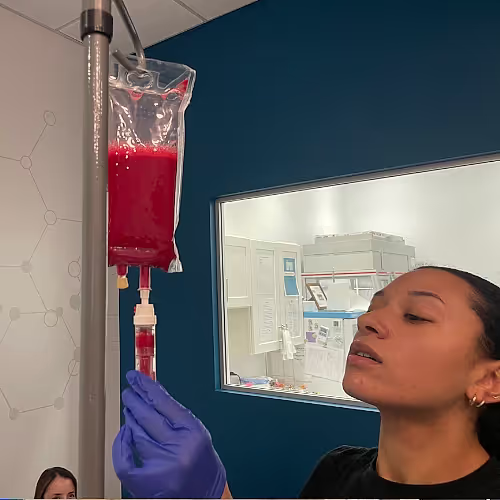
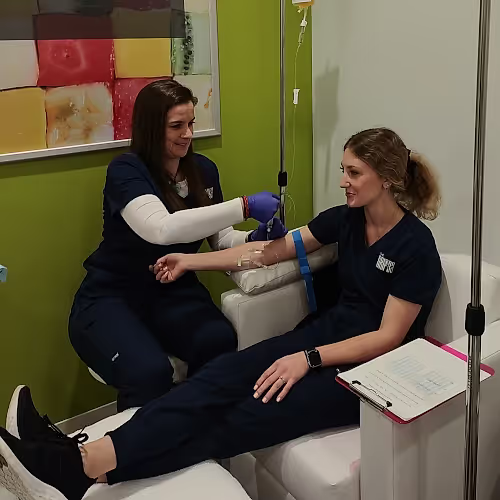
Some people choose wellness services like IV hydration as part of their broader routine. These services may support hydration and recovery, especially after travel or intense activity. At The DRIPBaR Clifton Park, IV options are designed to complement healthy habits, not replace them. Licensed professionals provide oversight and guidance to ensure safety. Persistent or severe symptoms should always be discussed with a healthcare provider. Wellness services can be a helpful tool for those seeking additional support.
IV hydration delivers fluids and nutrients directly to the bloodstream and is often chosen for rapid support. It may be paired with vitamins or minerals depending on individual needs. Always use “may support” language and avoid expecting a fix.
Hydration and electrolyte services can be especially helpful for those recovering from travel, illness, or heavy sweating. These options are best used alongside daily routines of steady hydration, balanced nutrition, and regular movement. For many, the combination of professional support and healthy habits leads to the best results.
Safety and When to Seek Care
If bloating is new, severe, or persistent, it is important to seek medical advice. Symptoms like severe pain, fever, or blood in the stool require prompt evaluation. Wellness routines are not a substitute for professional care.
People with kidney, heart, or liver conditions should consult a provider before changing hydration or electrolyte routines. Magnesium and electrolyte products can cause side effects in some individuals. Always prioritize safety and listen to your body.
If you are unsure whether a new routine is right for you, start with small changes and track your response. Reach out to a licensed professional if you have concerns or experience unusual symptoms. Your comfort and well-being are the top priorities. Combining healthy habits with professional guidance can help you find the best path forward.
Remember, no single approach works for everyone. Personalization, patience, and steady routines are the foundation of lasting comfort. Wellness services can support your journey, but the most important changes happen in your daily habits. Take time to understand your body and make adjustments that fit your needs.
Building Your Bloating Support Routine
A daily routine that supports digestive comfort starts with hydration, balanced electrolytes, and gentle food choices. Begin each morning with water and a few slow breaths. Include a breakfast that combines protein, a tolerated carb, and fruit for motility support. Gentle movement, such as a short walk, sets a positive tone for the day.
Throughout the day, keep fluids steady and meals moderate to help manage bloating. After lunch, a brief walk can support digestion and ease the sensation of bloating. Remember, the key is consistency rather than drastic changes. If you notice that bloating worsens after certain foods or routines, make adjustments and track your progress. Over time, these habits can help you feel more comfortable and reduce the impact of bloating.
In the evening, taper fluids and choose a lighter dinner if you are prone to nighttime bloating. Avoid heavy carbonation and large servings of raw vegetables at night. Gentle movement after dinner, such as stretching or a short walk, can further support comfort. If you use magnesium for relaxation or regularity, start with a conservative dose and monitor your response. By ending the day with supportive habits, you set yourself up for a more restful night and a flatter-feeling stomach in the morning.
Quick Bloating Relief
If you feel bloated right now, start with gentle steps. Sip still water or warm tea and take a short walk to help move gas. Gentle stretches, such as knees-to-chest or twists, can relieve pressure. Practice a few minutes of deep breathing to calm the gut-brain connection. Keep your next meal simple and cooked, and avoid carbonated drinks or gum until symptoms improve.
If constipation is present, increase fluids and focus on gentle fiber sources rather than harsh laxatives. Tracking your symptoms and relief actions can help you identify what works best. Over time, you will learn which strategies bring the most comfort. Remember, the goal is steady improvement, not instant results. Personalize your approach and adjust as needed for lasting relief.
- Morning hydration: Start your day with water and slow breaths.
- Gentle movement: Take a short walk or stretch after waking.
- Balanced breakfast: Choose protein, a tolerated carb, and fruit.
- Steady fluids: Sip water throughout the day, not all at once.
- Moderate meals: Keep portions reasonable and avoid large dinners.
- Post-meal walk: Walk for five to fifteen minutes after eating.
- Evening wind-down: Taper fluids and use relaxation techniques before bed.
Personalizing Your Routine
No two people experience bloating in exactly the same way. Tracking your habits, symptoms, and relief strategies can help you find what works best. Adjust your routine gradually and focus on consistency. Over time, you will discover the combination of hydration, electrolytes, and habits that brings the most comfort.
If you notice patterns, such as bloating after certain foods or during stressful periods, use this information to make targeted changes. Personalization is key to lasting results. Remember, small adjustments can have a big impact over time. Stay patient and keep refining your approach. Your comfort is worth the effort.
For those interested in additional support, wellness services like IV hydration may be a helpful complement. Always discuss new routines with a licensed professional if you have concerns. Combining daily habits with professional guidance can help you achieve your wellness goals.
Consistency for Lasting Results
Building a routine that supports digestive comfort takes time and patience. Focus on steady hydration, balanced electrolytes, and gut-friendly habits each day. Track your progress and make small adjustments as needed. Over time, these efforts can lead to a noticeable difference in how you feel. Remember, consistency is more important than perfection. Celebrate your progress and keep moving forward.
If you experience setbacks, do not be discouraged. Use them as learning opportunities to refine your routine. The most effective changes are those you can maintain over the long term. Support from wellness professionals can provide additional guidance and encouragement. Stay committed to your comfort and well-being.
A flatter-feeling stomach is within reach for many people with the right combination of habits and support. Focus on what you can control and be patient with the process. Your daily choices add up to lasting results.
Ready to Start Your Bloating Support Routine?
If you are ready to take the next step toward digestive comfort, consider starting with small, manageable changes. Compare your current routine with the strategies outlined here and see what fits your lifestyle. Our team at The DRIPBaR Clifton Park is here to help you explore your options and find the best approach for your needs. Reach out today to begin your journey toward a more comfortable, flatter-feeling stomach.
Remember, lasting comfort comes from steady routines and personalized adjustments. Wellness services can complement your daily habits, but the foundation is built on hydration, balanced nutrition, and gut-friendly practices. If you have questions or want to compare different support options, our team is available to help. Take the first step by tracking your habits and making one small change today. Your comfort and well-being are always worth the effort.