
Struggling with low energy and cramps?
When kidneys lose function, the body can struggle to maintain energy and muscle comfort. This often leads to persistent fatigue and frequent muscle cramps, making daily life more challenging. Many people seek ways to feel more balanced and comfortable.
Support Kidney Health and Restore Balance
Targeted support for CKD.
Managing chronic kidney disease often means addressing fatigue, hydration, and nutrient imbalances that can impact daily life. The DRIPBaR offers supportive IV therapies designed to help replenish essential nutrients and antioxidants, aiming to reduce oxidative stress and promote overall well-being. These therapies are carefully tailored to the needs of individuals with kidney concerns, focusing on gentle hydration and symptom relief. With regular sessions, clients may notice improved energy, reduced discomfort, and better resilience.
At The DRIPBaR Clifton Park, each session is overseen by medical professionals to ensure safety and optimal benefit for those with chronic kidney disease. Personalized care plans are developed to complement existing medical treatments and dietary restrictions. Clients can expect a supportive environment focused on long-term wellness. Book your appointment today to explore supportive care options.
Did you know?
Chronic kidney disease often develops gradually, and many people do not notice symptoms until kidney function is significantly reduced.
Understanding Chronic Kidney Disease
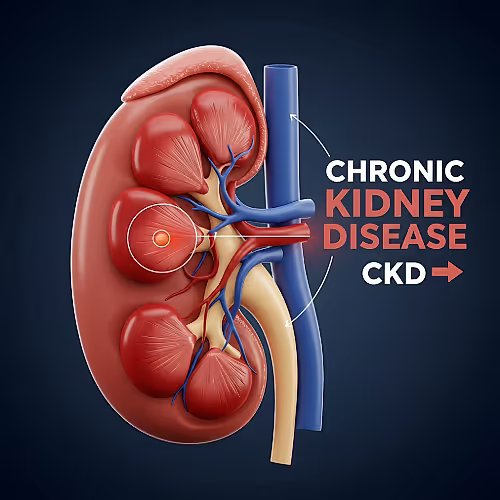
Chronic kidney disease is a long-term condition where the kidneys gradually lose their ability to filter waste and maintain fluid and electrolyte balance. This decline can lead to a buildup of toxins, fluid retention, and disruptions in blood pressure regulation. Over time, CKD can cause complications such as anemia, bone disorders, and increased risk of cardiovascular issues. Early stages may go unnoticed, but as the disease progresses, symptoms become more apparent.
Common triggers for CKD include diabetes, high blood pressure, and certain genetic or autoimmune conditions. Managing the condition involves controlling underlying causes, making dietary adjustments, and monitoring for complications. Regular check-ins with healthcare providers help track changes and adapt care as needed. Supportive therapies can play a role in addressing symptoms and improving overall well-being.
Symptoms of Chronic Kidney Disease
In the early stages, chronic kidney disease may not cause noticeable symptoms, making it difficult to detect without routine health checks. As kidney function declines, individuals may begin to experience persistent fatigue, swelling in the legs or ankles, and changes in urination patterns. These subtle changes often progress gradually, so it is important to pay attention to new or worsening discomfort. Recognizing these early signs can help guide timely management.
As the condition advances, muscle cramps, nausea, and difficulty concentrating may become more common. Some people notice increased weakness or shortness of breath, especially during physical activity. Swelling can become more pronounced, and blood pressure may rise as the kidneys struggle to regulate fluids. These symptoms can fluctuate, sometimes improving with rest or dietary changes.
In more severe cases, complications such as anemia, bone pain, or immune suppression may develop. The body’s ability to clear waste products is reduced, leading to a general feeling of being unwell. Individuals may also experience itching, loss of appetite, or unexplained weight changes. Ongoing monitoring and supportive care are essential to address these evolving symptoms.
Traditional Treatments
Conventional care for chronic kidney disease focuses on slowing disease progression and managing complications. This often includes controlling blood pressure and blood sugar, making dietary adjustments to limit protein, sodium, potassium, and phosphorus, and addressing underlying causes such as diabetes or hypertension. Medications may be prescribed to manage symptoms like anemia, bone health, or fluid retention. Regular follow-up with healthcare providers helps ensure that care remains appropriate as the condition changes. In advanced stages, dialysis or kidney transplantation may become necessary to replace lost kidney function. Supportive therapies, such as gentle hydration and targeted nutrient supplementation, can help manage symptoms and improve comfort. It is important to individualize care based on each person’s needs and medical history. Ongoing communication with a healthcare team supports the best possible outcomes.
How IV Therapy May Help
Supportive IV therapies at The DRIPBaR are designed to help individuals with chronic kidney disease feel more balanced and energized. By delivering hydration and essential nutrients directly into the bloodstream, these therapies can address common challenges such as fatigue, muscle cramps, and immune weakness. Each session is carefully monitored to ensure safety and is tailored to complement existing medical care. Regular visits may help maintain steady energy and support overall well-being. Consistency is key for those managing chronic kidney disease, and The DRIPBaR’s approach emphasizes ongoing support rather than quick fixes. By focusing on gentle, controlled infusions, clients can benefit from targeted nutrients without overwhelming the body. This approach works alongside traditional treatments and dietary plans to help clients feel their best. A steady routine of supportive care can make a meaningful difference over time.
Nutrient Support for Kidney Wellness
Specialized infusions deliver antioxidants and nutrients that may help reduce fatigue and promote hydration. These offerings are designed to support kidney health and overall resilience. Regular sessions can help maintain balance and comfort.
Alpha Lipoic Acid (ALA)
Alpha Lipoic Acid (ALA) is a unique antioxidant that works in both water- and fat-soluble environments to support cellular health. Delivered through intravenous therapy, it enhances mitochondrial energy production and helps regenerate other antioxidants like vitamin C and vitamin E. This therapy supports metabolic balance and may reduce feelings of fatigue. It is designed to provide efficient nutrient delivery for improved cellular function. Clients seeking to support their overall wellness may find this therapy beneficial. The treatment is administered by licensed providers in a comfortable setting. Results can vary based on individual health and lifestyle factors.
Glutathione
Glutathione
Glutathione is a critical antioxidant that supports the body’s detoxification and immune systems. This infusion delivers glutathione directly into the bloodstream for immediate cellular support. It helps reduce oxidative stress, promotes tissue repair, and enhances skin clarity. The therapy supports sustained energy and overall wellness. It is suitable for individuals seeking to improve recovery and protect against environmental stressors. This approach offers a proactive way to maintain health and vitality.
Shield
Shield provides targeted nutrients to support the immune system and reduce oxidative stress. It includes antioxidants like Ascorbic Acid and minerals such as Magnesium and Zinc to promote cellular repair and energy production. This infusion helps modulate inflammation and supports recovery from fatigue. Suitable for those seeking to enhance their natural defenses and maintain wellness. Individual responses may vary based on health status and lifestyle factors.
Great visit, staff were nice and helpful,
Bre & Faith were a pleasure to deal with!
Faith and Bre are the best!!
Ready to Get Started?
Feel your best with a treatment designed to support your goals! Whether you’re looking for hydration, energy, immune support, recovery, or overall wellness, our team will help you choose the right option and make sure your experience is comfortable from start to finish. Click the Book Appointment button below to pick your reserve a time that fits your schedule.