
Are flare-ups disrupting your mobility?
Sudden joint pain and swelling can make everyday activities difficult. Inflammation from uric acid buildup often leads to discomfort and stiffness. Managing these symptoms is key to maintaining your quality of life.
Restore Comfort and Joint Flexibility
Support for joint relief.
Targeted wellness therapies can help reduce inflammation and support your body’s natural recovery process. By focusing on hydration and nutrient delivery, these approaches may ease joint discomfort and promote better mobility. Consistent care can help minimize the severity of flare-ups and encourage recovery. Integrative support is designed to complement your existing management plan for gout.
The DRIPBaR Clifton Park offers services that address inflammation and joint stiffness through a combination of hydration, nutrient infusions, and restorative therapies. Our team works with you to create a plan that fits your needs and supports your long-term joint health. Book your appointment today to take the next step toward greater comfort and mobility.
Did you know?
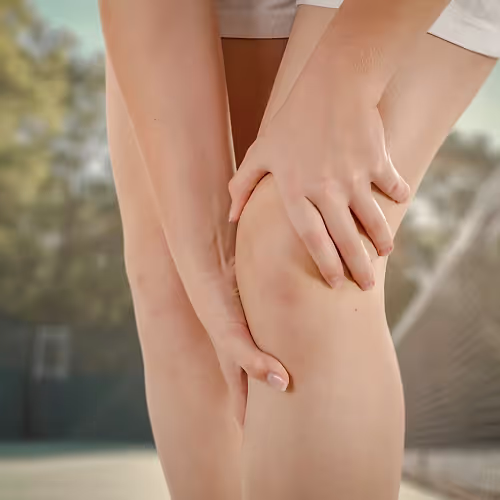
Gout most often affects the big toe but can also impact other joints such as ankles and knees.
Understanding Gout and Joint Health
Gout is a type of arthritis caused by excess uric acid in the bloodstream, leading to the formation of sharp crystals in the joints. This process triggers inflammation, resulting in sudden pain, swelling, and limited movement. The big toe is commonly affected, but other joints like ankles, knees, and wrists can also be involved. Without proper management, gout may progress to chronic joint problems and even kidney stones.
Common triggers include diets high in purines, dehydration, obesity, and certain medications. Managing gout involves controlling uric acid levels, staying hydrated, and making lifestyle adjustments. Early recognition of symptoms and consistent care are important for reducing flare-ups. Integrative approaches can complement traditional treatments to support joint health.
Common Symptoms of Gout
Gout often begins with sudden, severe pain in a single joint, most frequently the big toe. Swelling, redness, and warmth quickly develop, making the joint tender to touch. These episodes can occur at night and may last for several days. Limited mobility and difficulty walking are common during flare-ups.
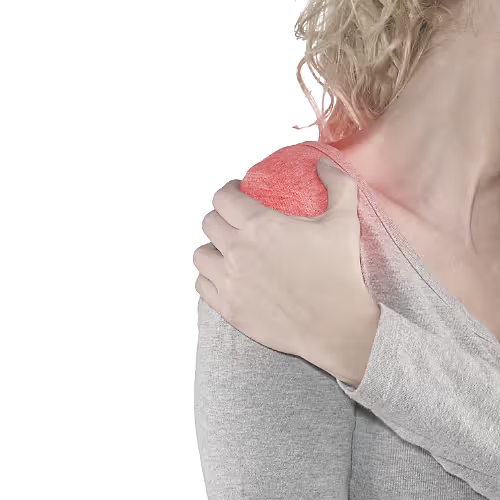
Other joints such as ankles, knees, wrists, and elbows can also be affected by gout. The pain may be so intense that even light pressure from bedding is uncomfortable. Some people notice lingering stiffness or discomfort between attacks. Chronic gout can lead to persistent joint swelling and visible lumps under the skin.
As gout progresses, flare-ups may become more frequent and affect multiple joints. Untreated, it can cause joint deformities or damage over time. Kidney stones may also develop due to high uric acid levels. Recognizing early symptoms and seeking appropriate care may help you avoid complications.
Traditional Treatments
Conventional care for gout focuses on relieving pain and reducing inflammation during acute flare-ups. Nonsteroidal anti-inflammatory drugs (NSAIDs), corticosteroids, or colchicine are commonly used to manage symptoms. These medications help decrease swelling and restore joint function. Long-term management aims to help avoid future attacks by lowering uric acid levels with medications such as allopurinol or febuxostat. Lifestyle changes, including staying hydrated, maintaining a healthy weight, and following a low-purine diet, are also important. Regular monitoring and early intervention can help minimize complications. Integrative wellness therapies may offer additional support for recovery and comfort.
How IV Therapy May Help
The DRIPBaR’s wellness services are designed to support joint health by delivering targeted hydration and nutrients directly to your system. These therapies may help reduce inflammation, ease muscle tension, and promote tissue repair, offering relief during and after gout flare-ups. Controlled dosing and professional supervision help ensure a safe and comfortable experience. Integrative approaches can complement your existing care plan for better overall outcomes. By focusing on circulation, detoxification, and immune support, our therapies aim to enhance your body’s natural recovery processes. Consistent care may help reduce the frequency and severity of flare-ups over time. Our team works with you to tailor services to your needs, supporting your journey toward improved mobility and comfort. Wellness support can be an important part of managing joint health for those living with gout.
Wellness Therapies for Joint Relief
Specialized wellness therapies can help reduce inflammation and support joint recovery. These approaches focus on hydration, circulation, and tissue repair. Consistent care may improve comfort and mobility.
Infrared Sauna
Infrared Sauna therapy provides a targeted warming experience that penetrates beneath the skin to support natural detoxification and improve circulation. This method encourages sweating, which helps eliminate toxins and metabolic waste. The gentle heat also aids muscle recovery and eases tension, promoting a sense of relaxation. Sessions are conducted in a private, comfortable setting with licensed providers guiding the process. This therapy complements other wellness services and can be tailored to individual needs. Many clients use it to support stress reduction and improved sleep quality. It offers a non-invasive way to enhance overall health and comfort.
Read moreSoother
Soother provides targeted nutrients like magnesium, calcium, and taurine to support the nervous system and muscle function. This infusion promotes relaxation and helps reduce physical tension. It also supports better sleep quality and mental balance. The formula is designed for those seeking gentle, non-sedating wellness support. Regular use may improve mental clarity and reduce fatigue. This treatment is delivered by licensed providers in a calming environment. It offers a comprehensive approach to physical and emotional recovery.
Great visit, staff were nice and helpful,
Bre & Faith were a pleasure to deal with!
Faith and Bre are the best!!
Read more
Ready to Get Started?
Feel your best with a treatment designed to support your goals! Whether you’re looking for hydration, energy, immune support, recovery, or overall wellness, our team will help you choose the right option and make sure your experience is comfortable from start to finish. Click the Book Appointment button below to pick your reserve a time that fits your schedule.