
Why does recovery feel so slow?
Some expect symptoms to resolve quickly after treatment, but recovery from Lyme disease can take longer than anticipated. Lingering fatigue, joint pain, and brain fog may persist, making daily life challenging. Consistent support and patience are often needed to manage these ongoing effects.
Restore Balance and Support Recovery
A steady path forward.
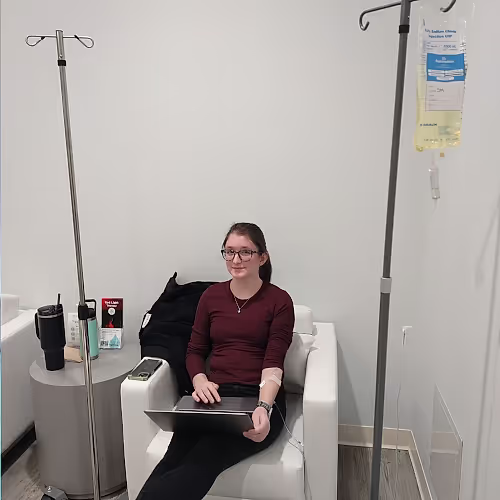
Many people find that symptoms of Lyme disease can persist even after standard treatments, leading to ongoing fatigue and discomfort. The DRIPBaR offers IV therapy options that may help reduce inflammation, replenish nutrients, and support neurological function. By focusing on hydration and targeted nutrients, these therapies aim to improve energy and mental clarity. Regular sessions can provide a supportive environment for those seeking to manage long-term symptoms.
If you are looking for additional support, The DRIPBaR Clifton Park provides a range of IV therapies designed to complement your recovery journey. Our team works with you to create a plan that fits your needs and lifestyle. Consistent care may help you regain stamina and improve your overall well-being. Book your appointment today to take the next step toward feeling better.
Did you know?
Some people experience symptoms of Lyme disease for months or even years after initial treatment.
Understanding Lyme Disease Recovery
Lyme disease is a bacterial infection transmitted by ticks, often causing fever, fatigue, and a distinctive rash in its early stages. If not treated promptly, the infection can spread to joints, the heart, and the nervous system, leading to more complex symptoms. Even after antibiotics, some individuals develop post-treatment Lyme disease syndrome, marked by ongoing pain, fatigue, and cognitive issues. These lingering effects are thought to result from immune system changes and persistent inflammation.
Common triggers for symptom flare-ups include physical stress, lack of rest, and immune challenges. Managing Lyme disease involves addressing both the infection and its aftereffects, often requiring a combination of medical care and lifestyle adjustments. Supportive therapies can play a role in reducing discomfort and improving daily function. Staying informed and proactive helps individuals navigate the ups and downs of recovery.
Common Symptoms of Lyme Disease
Fatigue is one of the most persistent symptoms, often lasting long after the initial infection has been treated. Many people report feeling unusually tired, even after a full night’s sleep, which can impact work and social activities. Joint pain and muscle aches are also common, sometimes shifting from one area to another without warning. These discomforts may be accompanied by swelling or stiffness, making movement more difficult.
Neurological symptoms can include headaches, memory problems, and difficulty concentrating, sometimes referred to as ‘brain fog.’ Mood changes such as irritability or depression may also occur, adding to the overall burden of the illness. Some individuals experience tingling or numbness in their hands and feet, which can be unsettling and persistent. These symptoms often fluctuate, with good days and bad days.
Other signs include sensitivity to light or sound, sleep disturbances, and occasional heart palpitations. Digestive issues like nausea or loss of appetite may arise, further complicating recovery. The unpredictable nature of symptoms can make it hard to plan daily activities. Recognizing these patterns can help guide supportive care and symptom management.
Traditional Treatments
The primary care for Lyme disease is a course of antibiotics, which is most effective when started early in the infection. These medications target the bacteria responsible for the illness and may help you avoid more serious complications if administered promptly. In cases where symptoms persist after antibiotics, additional strategies may be needed to address ongoing discomfort. Supportive care often includes rest, hydration, and gentle physical activity as tolerated. For those experiencing post-treatment Lyme disease syndrome, management focuses on relieving symptoms and improving quality of life. This may involve pain management, physical therapy, and cognitive support for memory or concentration issues. Some individuals benefit from nutritional support and therapies aimed at reducing inflammation. Regular follow-up with healthcare providers helps monitor progress and adjust care as needed.
How IV Therapy May Help
IV therapy at The DRIPBaR offers targeted support by delivering nutrients and hydration directly into the bloodstream, which may help reduce inflammation and restore energy. These therapies are designed to address common challenges such as fatigue, brain fog, and immune imbalance, providing an additional layer of care for those managing persistent symptoms. By focusing on replenishing key vitamins and minerals, IV infusions can support the body's natural recovery processes. Supervised sessions ensure that each treatment is tailored to individual needs and safety. Clients often seek IV therapy as a complement to their existing medical care, especially when traditional approaches leave lingering symptoms. The DRIPBaR emphasizes a holistic approach, combining evidence-based protocols with attentive support. Regular sessions may help stabilize energy levels and promote resilience over time. This integrated care model aims to enhance overall well-being and support long-term recovery.
Supportive Options for Lasting Relief
Specialized IV therapies can help address inflammation, fatigue, and neurological symptoms associated with Lyme disease. These options focus on restoring balance and supporting the body’s recovery. Consistent care may improve comfort and daily function.
Allergy
Allergy therapy provides a targeted blend of antioxidants and minerals to support immune regulation and reduce respiratory inflammation. Ingredients such as Vitamin C, NAC, Magnesium, and Zinc help neutralize oxidative stress and promote tissue repair. This treatment supports energy restoration and mental clarity. It is designed to address both acute symptoms and long-term wellness. Allergy therapy offers rapid nutrient delivery for those seeking comprehensive immune and respiratory support.
Read moreHeavy Metal Detox
Heavy Metal Detox offers a targeted approach to support the body’s natural elimination of toxins. Using a blend of Vitamin C, Taurine, Magnesium, and B vitamins, this therapy helps reduce oxidative stress and supports cellular repair. It aims to improve mental clarity and boost immune function. The treatment is suitable for those exposed to environmental toxins or experiencing fatigue. Regular sessions may help maintain overall wellness and vitality. This IV therapy is administered by licensed providers in a supportive environment.
Read morePost Viral
Post Viral is an intravenous therapy designed to support recovery by replenishing essential nutrients such as Vitamin C, Magnesium, and B vitamins. It helps reduce fatigue and supports immune system balance. The infusion promotes cognitive clarity and tissue repair through antioxidant effects. Suitable for those recovering from viral illnesses or treatments, it offers rapid nutrient delivery for improved wellness. Individual responses may vary, and ongoing care supports sustained benefits.
Read moreRestoration
Restoration delivers a blend of vitamins, minerals, and amino acids directly into the bloodstream for fast absorption. This infusion supports hydration, immune resilience, and energy production. Ingredients such as Ascorbic Acid, Magnesium, and Zinc help reduce oxidative stress and promote tissue repair. It is suitable for individuals recovering from fatigue or physical stress. The therapy aids mental clarity and muscle relaxation. Restoration offers a comprehensive approach to whole-body wellness and recovery.
Read moreShield
Shield provides targeted nutrients to support the immune system and reduce oxidative stress. It includes antioxidants like Ascorbic Acid and minerals such as Magnesium and Zinc to promote cellular repair and energy production. This infusion helps modulate inflammation and supports recovery from fatigue. Suitable for those seeking to enhance their natural defenses and maintain wellness. Individual responses may vary based on health status and lifestyle factors.
Read moreTime Machine
Time Machine is formulated to enhance cellular energy and promote antioxidant protection. It delivers key nutrients such as Vitamin C, Taurine, and Magnesium directly into the bloodstream for rapid absorption. This infusion supports tissue repair, immune resilience, and skin health. It is suitable for individuals seeking to improve stamina and mental clarity. The therapy offers a comprehensive approach to wellness and recovery. It is administered by licensed providers in a supportive environment.
Great visit, staff were nice and helpful,
Bre & Faith were a pleasure to deal with!
Faith and Bre are the best!!
Read more
Ready to Get Started?
Feel your best with a treatment designed to support your goals! Whether you’re looking for hydration, energy, immune support, recovery, or overall wellness, our team will help you choose the right option and make sure your experience is comfortable from start to finish. Click the Book Appointment button below to pick your reserve a time that fits your schedule.