
Struggling with symptoms at high elevations?
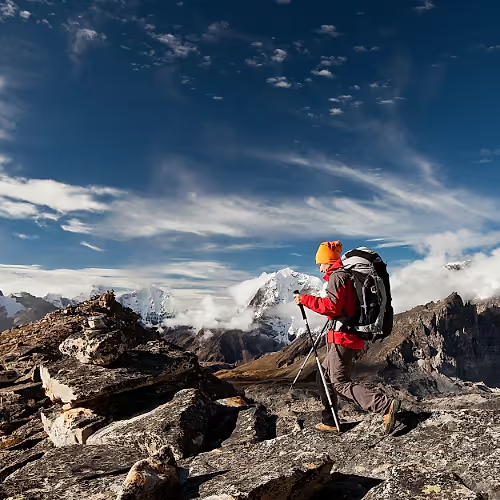
When your body is exposed to high altitudes, lower oxygen levels can disrupt normal function. This may cause headaches, nausea, and fatigue, especially if you ascend quickly. Recognizing these early signs is important for safe acclimatization.
Support Your Body at High Elevations
Targeted support for altitude.
IV therapy can help your body adjust to high elevations by restoring hydration and delivering essential nutrients. These therapies are designed to support oxygen utilization, reduce inflammation, and ease discomfort from altitude changes. By replenishing fluids and key vitamins, you may feel more resilient and recover after exposure. This approach can be especially helpful for those who travel or exercise in mountainous regions.
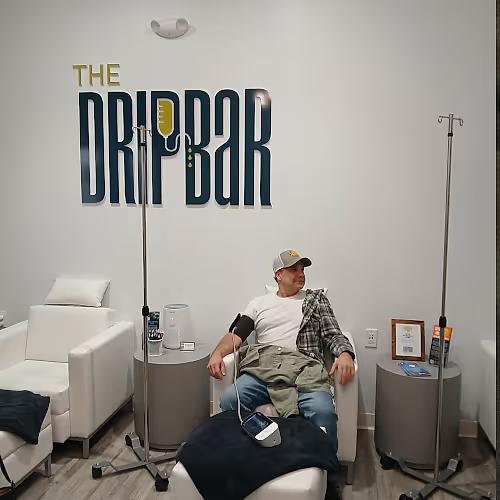
The DRIPBaR Clifton Park offers specialized IV therapies to help you prepare for or recover from altitude sickness. Our team provides guidance on safe acclimatization and hydration strategies. Sessions are tailored to your needs, focusing on comfort and safety. Book your appointment today to support your high-altitude experience.
Did you know?
Altitude sickness can develop within hours of reaching elevations above 8,000 feet, especially with rapid ascent.
Understanding Altitude Sickness
Altitude sickness occurs when your body struggles to adapt to reduced oxygen levels at higher elevations. As you ascend, the air contains less oxygen, making it harder for your body to deliver enough to your tissues. This can disrupt normal physiological processes and lead to a range of symptoms. The severity often depends on how quickly you ascend and your individual sensitivity.
Common triggers include rapid travel to high altitudes, intense physical activity, and inadequate hydration. Preventive strategies focus on gradual ascent, staying hydrated, and limiting exertion during the first days at elevation. Monitoring your body for early symptoms is important, as prompt action may help you avoid more serious complications. Responsible management includes rest, hydration, and, when needed, medical attention.
Common Symptoms of Altitude Sickness
Symptoms of altitude sickness often begin within hours of arriving at high elevation. Headache is one of the earliest and most common signs, frequently accompanied by nausea and dizziness. Some people also notice fatigue, shortness of breath, or difficulty sleeping. These symptoms can vary in intensity and may resolve with rest and acclimatization.
As the body continues to adjust, additional symptoms like loss of appetite, swelling in the hands or feet, and mild confusion may develop. Not everyone experiences the same pattern, and some may feel only mildly unwell. In rare cases, symptoms can progress to more serious forms, such as high-altitude cerebral or pulmonary edema. Recognizing changes early allows for safer decisions about activity and rest.
Most cases of altitude sickness are mild and improve with conservative measures like rest and hydration. However, persistent or worsening symptoms should be taken seriously. If severe headache, confusion, or breathing difficulties occur, immediate descent and medical care are essential. Listening to your body and responding promptly may help you avoid complications.
Traditional Treatments
Conventional care for altitude sickness begins with stopping further ascent and resting at the current elevation. Mild cases often improve with rest, hydration, and over-the-counter pain relievers for headache. Oxygen supplementation may be used if symptoms persist or worsen, especially in moderate cases. Prescription medications like acetazolamide or dexamethasone can help speed acclimatization or reduce inflammation. In severe cases, such as high-altitude cerebral or pulmonary edema, immediate descent to a lower elevation is critical. Hospital care may be required for oxygen therapy and close monitoring. Preventive strategies include gradual ascent, limiting strenuous activity, and maintaining hydration. Early recognition and prompt management are key to a safe recovery.
How IV Therapy May Help
IV therapy at The DRIPBaR offers targeted hydration and nutrients that may help your body adapt to the challenges of high altitude. By delivering fluids, electrolytes, and vitamins directly into your bloodstream, these therapies can support oxygen transport, reduce inflammation, and promote cellular recovery. Many clients notice improved comfort and energy after sessions, though individual results can vary. Our approach is designed to complement traditional acclimatization strategies, not replace them. Licensed providers provide care in a supportive environment, tailoring each session to your needs and monitoring your response. While some benefits may be felt soon after therapy, ongoing support and healthy habits are important for lasting results.
IV Support for Altitude Adaptation
Specialized IV therapies can help support hydration and nutrient balance at high elevations. These offerings are designed to ease discomfort and promote recovery during altitude exposure. Clients may experience improved energy and reduced symptoms.
Restoration
Restoration delivers a blend of vitamins, minerals, and amino acids directly into the bloodstream for fast absorption. This infusion supports hydration, immune resilience, and energy production. Ingredients such as Ascorbic Acid, Magnesium, and Zinc help reduce oxidative stress and promote tissue repair. It is suitable for individuals recovering from fatigue or physical stress. The therapy aids mental clarity and muscle relaxation. Restoration offers a comprehensive approach to whole-body wellness and recovery.
Great visit, staff were nice and helpful,
Bre & Faith were a pleasure to deal with!
Faith and Bre are the best!!
Ready to Get Started?
Feel your best with a treatment designed to support your goals! Whether you’re looking for hydration, energy, immune support, recovery, or overall wellness, our team will help you choose the right option and make sure your experience is comfortable from start to finish. Click the Book Appointment button below to pick your reserve a time that fits your schedule.