
Are you feeling drained lately?
Feeling unusually tired or foggy can be a sign your body is lacking fluids. Dehydration often leads to fatigue, headaches, and trouble concentrating. Recognizing these changes early helps you take action to restore your energy and focus.
Restore Balance and Feel Energized
Replenish fluids effectively.
The DRIPBaR helps address dehydration by delivering fluids and essential electrolytes directly into your bloodstream for rapid absorption. This approach can quickly restore your body’s fluid balance, support energy levels, and help you feel more alert. Many people notice improved focus and reduced fatigue after rehydration. Regular hydration support may also help you recover from physical activity or illness.
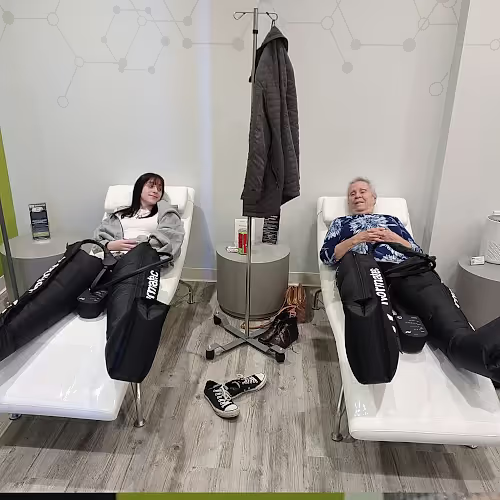
Our team at The DRIPBaR Clifton Park provides a comfortable setting for your hydration therapy, tailored to your needs. Licensed providers oversee each session to ensure safety and the right fit for you. Whether you’re recovering from a busy week, intense exercise, or just want to maintain wellness, we’re here to help. Book your appointment today to experience the benefits of targeted hydration.
Did you know?
Even mild dehydration can affect mood, memory, and physical performance throughout the day.
Understanding Dehydration and Its Impact
Dehydration happens when your body loses more fluids than it takes in, disrupting essential functions like temperature regulation, nutrient transport, and waste removal. Water is vital for every cell, and even slight imbalances can lead to symptoms such as fatigue, dizziness, and headaches. As fluid levels drop, your body’s ability to maintain focus and physical stamina declines. Severe dehydration can cause confusion, rapid heartbeat, and low blood pressure, making prompt attention important.
Common triggers include not drinking enough water, excessive sweating, illness with fever, vomiting, or diarrhea, and certain medications. Children, older adults, athletes, and those with chronic illnesses are especially at risk. Managing dehydration involves recognizing symptoms early and replenishing fluids and electrolytes as needed. Proactive hydration habits and timely support can help you feel your best and avoid complications.
Common Symptoms of Dehydration
Dehydration often starts with subtle signs like dry mouth, thirst, and reduced urine output. As fluid loss continues, you may notice fatigue, dizziness, or headaches that make daily tasks more difficult. Some people experience muscle cramps or a rapid heartbeat, especially after exercise or heat exposure. These symptoms can be easy to overlook but may worsen if not addressed.
In more pronounced cases, dehydration can lead to confusion, irritability, and difficulty concentrating. Skin may become dry, and you might feel lightheaded when standing up quickly. Digestive issues such as constipation can also occur, reflecting the body’s struggle to conserve water. Children and older adults may show symptoms differently, sometimes with less obvious thirst or increased tiredness.
Severe dehydration is a medical emergency and can cause dangerously low blood pressure, rapid pulse, and even organ dysfunction. Recognizing early warning signs and responding promptly helps you avoid complications. Staying attentive to your body’s signals is key to maintaining hydration and overall wellness.
Traditional Treatments
Conventional care for dehydration begins with increasing fluid intake, often using water and oral electrolyte solutions to restore balance. For mild cases, drinking fluids steadily throughout the day is usually effective, especially when combined with rest and avoiding further fluid loss. Monitoring symptoms and making adjustments to daily habits may help you avoid recurrence. When dehydration is more severe or oral intake isn’t possible, intravenous fluids may be recommended. IV therapy delivers hydration and electrolytes directly into the bloodstream for rapid absorption and correction of imbalances. This approach is often used for people recovering from illness, heat exposure, or intense physical activity. Ongoing prevention includes maintaining regular fluid intake and being mindful of situations that increase risk.
How IV Therapy May Help
If you’re feeling the effects of dehydration after illness, exercise, or a busy week, IV therapy can offer targeted support. By delivering fluids and essential nutrients directly into your bloodstream, this approach helps restore balance and supports your body’s natural recovery processes. Licensed providers tailor each session to your needs, ensuring comfort and safety throughout. After your session, many people notice improved energy, mental clarity, and reduced symptoms like headaches or fatigue. Ongoing hydration support can help you stay ahead of dehydration, especially during periods of increased activity or stress. The DRIPBaR’s services are designed to fit your lifestyle and wellness goals. Taking proactive steps can make a real difference in how you feel day to day.
IV Hydration for Rapid Recovery
Specialized IV hydration therapies deliver fluids and electrolytes quickly to help correct dehydration. These offerings support energy, focus, and overall recovery. Regular hydration support can also help maintain peak performance and wellness.
100% Hydration
Lactated Ringers
Proper hydration is essential for maintaining energy and supporting physical and mental function. 100% Hydration uses Lactated Ringers solution to quickly restore fluid and electrolyte balance through intravenous delivery. This method bypasses the digestive system for faster absorption and improved cellular hydration. The therapy supports recovery from exertion and helps maintain overall wellness. It is suitable for active individuals and those seeking to improve their hydration status. This approach can enhance mental clarity and physical resilience. Maintaining fluid balance is a key component of a healthy lifestyle.
Great visit, staff were nice and helpful,
Bre & Faith were a pleasure to deal with!
Faith and Bre are the best!!
Ready to Get Started?
Feel your best with a treatment designed to support your goals! Whether you’re looking for hydration, energy, immune support, recovery, or overall wellness, our team will help you choose the right option and make sure your experience is comfortable from start to finish. Click the Book Appointment button below to pick your reserve a time that fits your schedule.