
Are you feeling drained and weak?
Feeling unusually tired or weak can be unsettling, especially when it disrupts your daily routine. Electrolyte depletion often causes symptoms like muscle cramps, dizziness, or confusion, which may leave you searching for answers. Understanding the cause is the first step toward finding relief and restoring your energy.
Restore Balance and Feel Energized
Support for rapid recovery.
The DRIPBaR helps address electrolyte depletion by offering targeted hydration and mineral replenishment to support your body’s natural balance. Our approach focuses on restoring fluids and essential electrolytes, which may help reduce fatigue, muscle cramps, and feelings of weakness. By delivering nutrients directly into your system, you may notice improved energy and mental clarity. Each session is tailored to your needs, supporting your recovery and overall wellness.
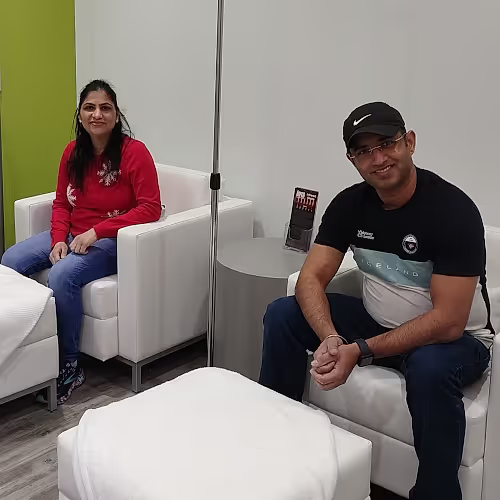
Clients at The DRIPBaR Clifton Park can expect a comfortable, supervised environment where their hydration and electrolyte needs are carefully managed. Our licensed providers monitor your progress and adjust your care as needed to help you feel your best. Whether you’re recovering from illness, exercise, or daily stress, our services are designed to help you regain balance. Book your appointment today to start feeling revitalized.
Did you know?
Even mild electrolyte depletion can affect muscle and nerve function, sometimes before you feel thirsty or dehydrated.
Understanding Electrolyte Depletion
Electrolyte depletion occurs when your body loses essential minerals like sodium, potassium, magnesium, and calcium faster than they are replaced. These minerals are crucial for hydration, nerve signaling, muscle contraction, and maintaining your body’s acid-base balance. When levels drop, it can disrupt cellular and organ function, sometimes leading to serious complications. Quick recognition and support are important for restoring balance and avoiding further issues.
Common triggers include heavy sweating from exercise or heat, gastrointestinal losses from vomiting or diarrhea, dehydration, poor nutrition, or certain medications. Managing electrolyte depletion involves identifying the cause, replenishing lost fluids and minerals, and monitoring symptoms. Mild cases may improve with oral hydration, while more significant imbalances often require intravenous support. Staying aware of your risk factors and acting early can help you maintain your health.
Symptoms of Electrolyte Depletion
Fatigue is a frequent sign of electrolyte depletion, often appearing alongside muscle weakness or cramps. Dizziness and headaches may also develop, especially if fluid loss is rapid or ongoing. Some people notice irregular heartbeats or palpitations, which can be unsettling and may signal the need for prompt attention. These symptoms can vary in intensity and may come on gradually or suddenly.
Confusion, nausea, or difficulty concentrating are other common complaints, particularly when dehydration is severe. Muscle spasms or twitching may occur, making daily activities uncomfortable. In some cases, symptoms worsen with physical exertion or heat exposure. Recognizing these early signs may help you avoid more serious problems.
Severe electrolyte depletion can lead to more dangerous effects, such as seizures or loss of consciousness. Elderly individuals, athletes, and those with chronic illnesses may be at higher risk. Monitoring your hydration status and seeking support when symptoms arise is key. Early intervention helps reduce the likelihood of complications and supports a recovery.
Traditional Treatments
Conventional care for electrolyte depletion depends on the severity and underlying cause. Mild cases are often managed with oral rehydration solutions that contain a balanced mix of electrolytes and fluids. These can help restore mineral levels gradually and are suitable for many people experiencing mild symptoms. Monitoring progress and adjusting intake as needed is important for safe recovery. For more significant imbalances or when oral intake is not possible, intravenous therapy may be recommended. IV fluids deliver electrolytes directly into the bloodstream, allowing for faster correction of deficits. This approach is especially useful for those with ongoing losses, severe dehydration, or difficulty absorbing nutrients. Ongoing care may include addressing the root cause and making lifestyle adjustments to help avoid recurrence.
How IV Therapy May Help
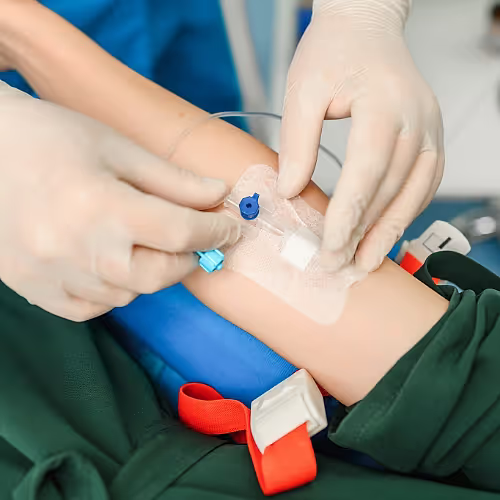
IV therapy at The DRIPBaR offers a direct way to replenish fluids and essential minerals, supporting your body’s recovery from electrolyte depletion. By delivering nutrients intravenously, this approach bypasses the digestive system, allowing for rapid absorption and more precise control over dosing. Licensed providers oversee each session, ensuring your comfort and safety throughout the process. Many clients report feeling more energized and clear-headed after receiving targeted hydration support. Our services are designed to complement traditional care, offering an additional option for those seeking faster relief from symptoms like fatigue, cramps, or dizziness. The process is tailored to your needs, with careful monitoring and adjustments as necessary. IV therapy can be especially helpful for individuals recovering from illness, intense activity, or fluid loss. Choosing a supervised, professional setting helps ensure you receive the right support for your situation.
Hydration and Mineral Replenishment Options
Specialized IV infusions provide rapid hydration and help restore essential minerals lost through sweat, illness, or daily stress. These offerings are designed to support energy, muscle function, and overall balance. Each session is tailored to address your unique needs and wellness goals.
100% Hydration
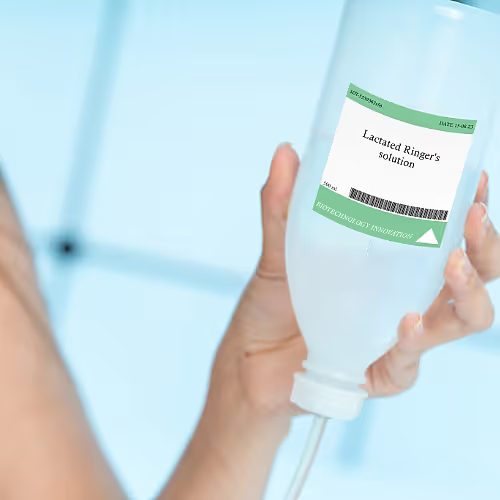
Lactated Ringers
Proper hydration is essential for maintaining energy and supporting physical and mental function. 100% Hydration uses Lactated Ringers solution to quickly restore fluid and electrolyte balance through intravenous delivery. This method bypasses the digestive system for faster absorption and improved cellular hydration. The therapy supports recovery from exertion and helps maintain overall wellness. It is suitable for active individuals and those seeking to improve their hydration status. This approach can enhance mental clarity and physical resilience. Maintaining fluid balance is a key component of a healthy lifestyle.
Great visit, staff were nice and helpful,
Bre & Faith were a pleasure to deal with!
Faith and Bre are the best!!
Ready to Get Started?
Feel your best with a treatment designed to support your goals! Whether you’re looking for hydration, energy, immune support, recovery, or overall wellness, our team will help you choose the right option and make sure your experience is comfortable from start to finish. Click the Book Appointment button below to pick your reserve a time that fits your schedule.