
Struggling to regain energy quickly?
After surgery, it can be difficult to bounce back to your usual routine. Feeling tired or slow to recover is common, but it may leave you frustrated. Recognizing these signs early helps you manage expectations and support your recovery.
Support Recovery and Restore Strength
Targeted recovery support.
When you are recovering from surgery, your body needs extra support to repair tissues and restore energy. The DRIPBaR offers specialized therapies that deliver hydration and nutrients directly, helping to reduce inflammation and support recovery. These approaches can ease discomfort, support immune function, and help you feel more like yourself sooner. By focusing on replenishing what your body needs, we aim to make your recovery process smoother and more comfortable.
At The DRIPBaR Clifton Park, you can access recovery-focused services designed to complement your post-surgical care. Our team works with you to create a supportive plan that fits your needs and helps you return to daily activities. If you want to feel stronger and recover with confidence, book your appointment today.
Did you know?
Proper hydration and nutrient intake can play a key role in reducing post-surgical complications and supporting recovery.
Understanding Post-Surgery Recovery
After surgery, the body enters a critical phase focused on recovery and restoring normal function. This period involves repairing tissues, controlling inflammation, and replenishing fluids and nutrients lost during the procedure. The immune system becomes more active to protect against infection, while energy demands increase to support recovery. Each person’s experience may differ depending on the type and complexity of the surgery.
Common triggers for a slower recovery include inadequate hydration, poor nutrition, and underlying health conditions. Managing these factors with a balanced approach can help reduce complications and support steady progress. Gentle movement, proper wound care, and regular monitoring of symptoms are important parts of responsible recovery. Adjusting your routine to allow for rest and gradual activity can make a meaningful difference.
Common Symptoms of Slow Recovery
If you have recently had surgery, you may notice increased fatigue and a general sense of weakness. This can make it harder to complete daily tasks or return to your normal schedule. Some people also experience difficulty sleeping or a lack of appetite, which can further slow recovery. These symptoms are common and usually improve as the body recovers.
Swelling, discomfort, and reduced mobility are also typical after many procedures. You might find that certain movements are more difficult or that you need extra support for basic activities. Mild nausea or sensitivity to medications may occur, especially in the first few days. Paying attention to these changes helps you adapt your routine and seek help if needed.
In some cases, symptoms like persistent pain, fever, or unusual wound changes may signal a complication. It is important to monitor your progress and contact your healthcare provider if you notice anything concerning. Early recognition and appropriate care may help you avoid setbacks and support a smoother recovery.
Traditional Treatments
Standard post-surgery recovery often includes rest, prescribed medications, and careful wound care. Physical therapy may be recommended to restore mobility and strength, especially after orthopedic or major procedures. Nutritional support and hydration are important to help the body repair tissues and fight infection. Regular follow-up visits with your healthcare provider ensure that recovery is on track and any issues are addressed promptly. Some people may benefit from additional therapies that support the body’s natural recovery processes. These can include targeted nutrient delivery, gentle movement routines, and strategies to manage inflammation or discomfort. It is important to follow your provider’s instructions and avoid overexertion during this period. Combining traditional care with supportive approaches may help you feel better and recover more efficiently.
How IV Therapy May Help
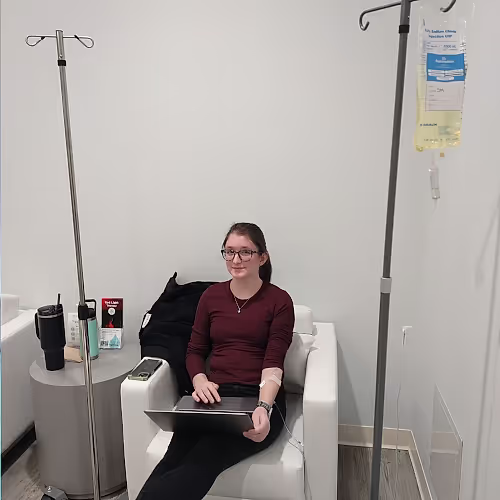
If you are looking for ways to support your recovery, The DRIPBaR offers services that focus on replenishing hydration and essential nutrients. These therapies are designed to address common post-surgical challenges such as fatigue, inflammation, and low energy. By delivering nutrients directly, they may help your body repair tissues and restore balance more efficiently. All services are provided under the supervision of licensed providers to ensure safety and comfort. Our approach includes careful assessment and personalized recommendations based on your needs and recovery goals. We work with you to monitor your progress and adjust your plan as needed. This supportive environment can help you feel more confident as you return to daily activities. While individual results vary, many find that targeted support makes the recovery process more manageable.
Supportive Therapies for Recovery Needs
Certain wellness therapies can help address fatigue, inflammation, and tissue repair after surgery. These approaches focus on hydration, nutrient replenishment, and gentle support for the body’s recovery processes.
Pre/Post-Op
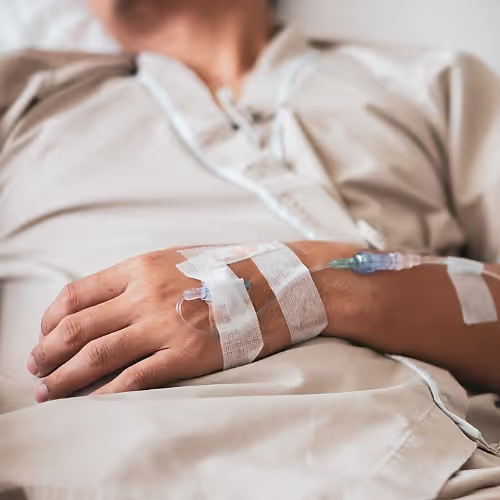
Pre/Post-Op is an intravenous therapy designed to support the body’s needs before and after surgery. It delivers key nutrients such as Vitamin C, Magnesium, and Zinc directly to cells to promote tissue repair and immune function. This therapy helps reduce oxidative stress and restore energy levels. It is suitable for individuals seeking to optimize their surgical recovery and overall wellness. The treatment bypasses digestive limitations to ensure rapid nutrient absorption. It supports recovery and helps minimize complications during recovery.
Read moreRed Light Therapy
Red Light Therapy delivers specific wavelengths of red and near-infrared light to the skin and underlying tissues. This process stimulates mitochondrial function, enhancing cellular energy production and promoting collagen synthesis. It also helps modulate inflammation and improve circulation. Sessions typically last 10 to 20 minutes and are non-invasive with no downtime. Many clients use this therapy to support recovery, skin health, and overall wellness. Individual responses vary, and consistent treatments may provide cumulative benefits. This therapy can be combined with other wellness services for enhanced results.
Great visit, staff were nice and helpful,
Bre & Faith were a pleasure to deal with!
Faith and Bre are the best!!
Read more
Ready to Get Started?
Feel your best with a treatment designed to support your goals! Whether you’re looking for hydration, energy, immune support, recovery, or overall wellness, our team will help you choose the right option and make sure your experience is comfortable from start to finish. Click the Book Appointment button below to pick your reserve a time that fits your schedule.