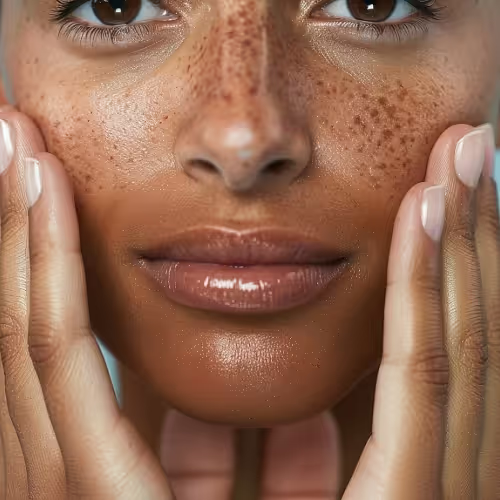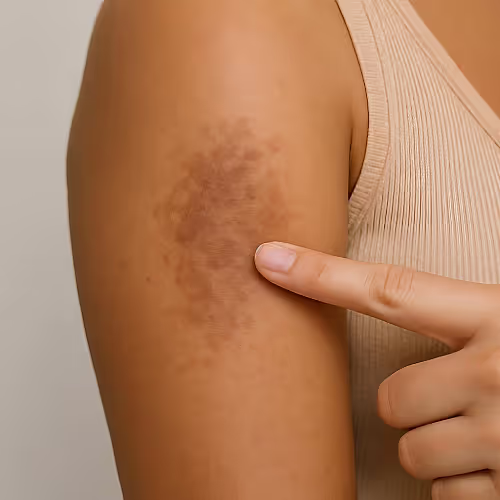

Many guests from Overlook Medical Center find it convenient to visit us for supportive skin wellness, thanks to the short drive. When exploring options for tone and texture, it is important to understand how red light therapy for dark spots fits into a broader routine. This approach does not promise to erase pigment but may help create a calmer, more balanced complexion. By focusing on gentle routines and daily sun protection, you can support your skin’s natural recovery. Consistent care often leads to the best visible changes. Remember, every skin journey is unique.
Understanding tone and texture wellness
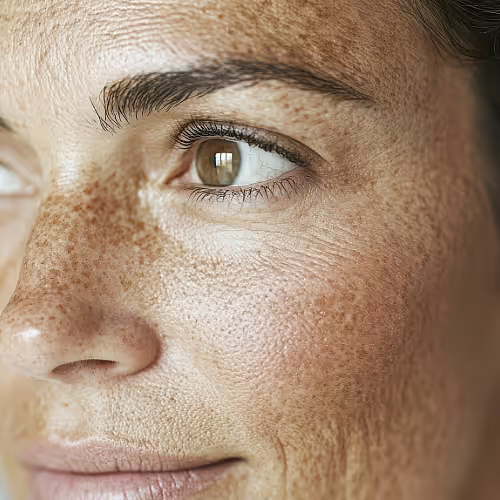
Dark spots and uneven tone are influenced by more than just pigment. Dehydration, redness, and surface roughness can make discoloration appear more pronounced. Even when pigment remains unchanged, skin may look blotchier if it is inflamed or dry. Red light therapy is designed to support calmness and recovery, which can help improve the overall look of your complexion. A routine that prioritizes hydration and barrier support is essential. This approach helps skin reflect light more evenly.
Red light therapy is not a quick fix. It works best as part of a consistent, gentle routine. Results depend on regular sessions and daily protection. Many people notice changes in texture before pigment. Patience and steady habits matter most.
Photobiomodulation for hyperpigmentation support
Photobiomodulation, or red light therapy, uses specific wavelengths to deliver gentle energy to the skin. This process is designed to support natural recovery pathways and cellular energy. The result may be a calmer, more refreshed-looking complexion.
Red light therapy for uneven skin tone
Red light therapy is often chosen for its low downtime and gentle approach. It may help reduce the visible contrast that makes dark spots stand out. By supporting recovery after environmental stress, it fits well into routines for sensitive or pigment-prone skin. Consistency is more important than intensity for best results.
This therapy is not about removing pigment directly. Instead, it aims to improve the skin environment, making spots less noticeable. Pairing with sunscreen and barrier-first routines is crucial.
People who benefit most from red light therapy often have sensitive or easily irritated skin. It is also helpful for those who want to maintain results between facials or after sun exposure. Acne marks and post-inflammatory discoloration can also be supported by calmness-focused routines. Dryness and dullness that make spots more visible may improve with regular sessions. The key is a gentle, repeatable plan.
LED light therapy for dark spot appearance
LED light therapy is generally gentle, but not everyone is a candidate. People with photosensitivity, certain medications, or active skin infections should consult a professional before starting. Proper eye protection and device use are important for safety. After recent procedures or during acute flare-ups, it is best to follow aftercare guidelines and seek guidance. Pregnant individuals should discuss comfort and safety with their provider. Sessions should always be performed according to professional recommendations. Responsible use supports the best outcomes.
Session planning for photobiomodulation focuses on consistency over intensity. Start with a regular cadence and track how your skin feels. Avoid stacking irritation-heavy treatments on the same day. Use red light therapy to help keep the skin barrier calm and stable. Maintenance sessions help sustain benefits. Adjust your plan based on how your skin responds.
Red light therapy session plan
A session plan should outline frequency, duration, and course length. Maintenance is important after the initial phase. Pairing rules help you know what to combine or avoid. Consistent routines support better results.
For most people, a starter plan includes two to three sessions per week for three to four weeks, then one to two sessions weekly for the next month. Sensitive or pigment-prone skin may do best with one to two sessions per week for six to eight weeks, followed by maintenance every other week. After summer, a reset plan might involve two sessions in the first week, then two to three weekly for several weeks. For acne marks, two sessions per week for six weeks is common, with maintenance as needed. Event-friendly plans use one to three sessions in the week before a special occasion. Each plan can be tailored to your skin’s needs.
Visible changes from red light therapy are gradual. Some people notice calmer, less blotchy skin within a few sessions. Texture and glow often improve before any change in pigment. The most reliable improvements come from steady routines, sunscreen, and avoiding irritation. A four to eight week window is practical for evaluating results.
Combining therapies for tone and texture
Many people ask how red light therapy for dark spots fits with other treatments. It is most effective as a supportive step between more active services. This approach helps maintain a calm, balanced complexion.
Pairing red light therapy with facials can enhance recovery and texture. After a facial, one to two red light sessions per week for two weeks is often suggested, then maintenance. For acne-prone routines, weekly or twice-weekly sessions in the first month support calmness after extractions. Hydration and antioxidant routines also pair well, with red light therapy as an external support. None of these replace sunscreen or gentle skincare. The goal is a routine that is both effective and non-irritating.
On red light therapy days, start with clean skin and avoid irritating actives beforehand. After your session, keep skincare gentle and moisturize to support comfort. Sunscreen is essential if you will be exposed to daylight.
Tone and texture wellness routine
A calm, barrier-focused at-home routine makes red light therapy more effective. In the morning, use a gentle cleanser, moisturizer, and sunscreen. At night, cleanse and moisturize again, adding a corrective active only if your skin is calm. Include barrier-only nights each week to let your skin recover. If you are starting both red light therapy and a new active, introduce one change at a time. This helps you identify what supports your skin best. Consistency and patience are essential.
A simple weekly schedule for tone and texture maintenance might include red light therapy on Monday and Wednesday, with a third session on Friday or Saturday if your skin feels calm. Monthly professional facials can complement this routine. Daily habits like sunscreen, gentle cleansing, and avoiding picking are foundational. Tracking progress with monthly photos in consistent lighting is helpful. Avoid daily mirror checks to help avoid frustration.
Avoiding over-treatment spiral
Many people try to fade dark spots by adding more acids and scrubs, but this can backfire. Red light therapy helps maintain a calmer baseline, reducing the urge to overdo actives. Gentle, repeatable routines support better long-term outcomes.
Common mistakes include expecting long-term change from a single session, inconsistent sunscreen use, and combining red light therapy with daily harsh exfoliation. Doing sessions right after intense sun exposure without focusing on protection can also reduce results. Overheating the face with hot showers or workouts may worsen discoloration. Picking blemishes and constantly switching products keep the skin from stabilizing. A steady, gentle approach is best.
Track progress by measuring skin comfort, redness, texture, breakouts, hydration, and consistency. Monthly photos in the same lighting help you see changes over time. Focus on how your skin feels, not just how it looks. Celebrate improvements in comfort and smoothness. This keeps you motivated and helps avoid over-treatment. Remember, visible changes are gradual.
Red light therapy can support different types of discoloration. For acne marks, focus on calmness and avoid picking. Sun spots and post-summer uneven tone benefit from protection and hydration. Patchy, recurring patterns require trigger management and gentle routines.
Safety and screening tips
Not everyone is a candidate for red light therapy. Disclose any medications that increase photosensitivity to your provider. Follow professional guidelines for session duration and frequency. Always use eye protection during sessions. Seek medical evaluation for new or changing pigmentation. Prioritize medical care for severe sunburn or significant skin injury.
The simplest plan for dark spot appearance support is to commit to a consistent red light therapy schedule for four to eight weeks, with one to three sessions per week based on sensitivity. Pair sessions with a calm at-home routine using gentle cleanser, moisturizer, and daily sunscreen. Use red light therapy between monthly facials as a recovery step. Track progress monthly with photos and comfort measures. Maintain with two to four sessions per month and keep sun protection as your foundation.
A routine built around calmness and consistency supports the best results. Red light therapy is most effective when paired with barrier-first habits and regular sunscreen use. Focus on supporting your skin’s environment rather than chasing quick fixes. Over time, these habits can help your complexion look more even and refreshed.
Photobiomodulation: practical session planning
We often see guests from Overlook Medical Center who appreciate how easy it is to fit a session into their day. The short drive makes it simple to maintain a consistent routine. Many find that regular visits help them stay on track with their tone and texture goals. Our team is here to guide you through session planning and answer any questions. Your comfort and results are our priority.
Session planning should focus on frequency, duration, and maintenance. Consistency is more important than intensity. Adjust your plan as your skin responds. Pair with gentle skincare and sun protection for best results.
A typical session plan might start with two to three sessions per week, then transition to maintenance as your skin adapts. Sensitive skin may require a slower pace. Always follow professional guidance for safety. Tracking your progress helps you see gradual improvements. Remember, patience is key for visible changes.
Pairing with other therapies
Red light therapy works well as a bridge between more active treatments. After a facial, it can support calmness and recovery. For acne-prone routines, it helps maintain a stable environment. Hydration and antioxidant support complement external light therapy. The goal is a balanced, non-irritating routine.
On red light therapy days, keep your skincare simple and avoid harsh actives. After your session, moisturize and use sunscreen if needed. Avoid stacking multiple strong treatments in one day. This reduces the risk of irritation. Listen to your skin’s signals.
At-home routine for best results
A calm, barrier-focused routine supports the benefits of red light therapy. Use a gentle cleanser and moisturizer morning and night. Apply sunscreen daily, especially if you will be outdoors. Limit corrective actives to nights when your skin feels calm. Add barrier-only nights to help your skin recover. Introduce new products one at a time. Consistency and patience lead to the best outcomes.
If you are new to red light therapy, start with a simple routine. Focus on hydration, protection, and gentle care. This helps your skin adjust and maximizes results.
Weekly schedule example
A weekly routine might include red light therapy on Monday and Wednesday. Add a third session if your skin feels calm. Monthly facials and daily sun protection round out the plan.
Daily habits like gentle cleansing, moisturizing, and avoiding picking are essential. Track your progress with monthly photos. Avoid daily mirror checks to help avoid frustration. Consistency and patience are your best tools. Over time, you will notice gradual improvements.
Red light therapy for acne marks
Red light therapy can be a valuable support for those dealing with acne marks and post-inflammatory discoloration. By focusing on calmness, it helps reduce the cycle of irritation that leads to new marks. Pairing with professional cleansing and extraction routines can further support recovery. Consistent sessions are key for visible improvements. Avoid picking and always use sunscreen.
Many people notice that red light therapy for dark spots helps maintain a calmer, more even complexion. This approach is especially useful for sensitive or pigment-prone skin. Steady routines and gentle care make the biggest difference.
Tone and texture maintenance tips
Track your progress by noting changes in comfort, redness, and texture. Use monthly photos in consistent lighting. Focus on how your skin feels, not just how it looks.
Common mistakes include expecting quick changes, inconsistent sunscreen use, and combining red light therapy with harsh exfoliation. Doing sessions after intense sun exposure without protection can also reduce effectiveness. Overheating the face or picking at blemishes may worsen discoloration. Switching products too often keeps your skin from stabilizing. Stick to a gentle, steady plan for best results.
- Consistent sessions: Regular appointments support cumulative benefits.
- Barrier-first skincare: Gentle routines help maintain a healthy skin environment.
- Sunscreen daily: Protection is essential for pigment stability.
- Track progress: Use monthly photos and comfort measures to see changes.
- Pair with facials: Professional treatments can complement red light therapy.
- Hydration focus: Well-moisturized skin reflects light more evenly.
Long-term tone and texture strategy
A long-term plan includes regular red light therapy sessions, gentle at-home care, and professional guidance as needed. Maintenance sessions help sustain results after the initial phase. Focus on supporting your skin’s barrier and avoiding triggers that worsen discoloration. Adjust your routine based on how your skin responds. Celebrate gradual improvements in comfort and appearance. Consistency leads to lasting changes.
Red light therapy is most effective when paired with daily sun protection and barrier-first habits. Avoid over-caring for your skin with too many actives. Gentle, repeatable routines support the best outcomes.
A holistic approach to skin clarity includes hydration, antioxidant support, and consistent routines. IV therapies like Glutathione or vitamin C infusions may complement external treatments for those seeking additional support. Always consult a professional before adding new therapies. Focus on building habits that support your skin’s natural recovery. Over time, these strategies can help your complexion look brighter and more balanced. Remember, patience and steady care matter most.
Tracking your skin’s progress
Measure progress by noting changes in comfort, redness, and texture. Monthly photos in consistent lighting are helpful. Focus on improvements in how your skin feels. Celebrate small wins along the way. This approach keeps you motivated.
Consistency is the foundation of visible change. Red light therapy, paired with gentle routines and sun protection, supports gradual improvements. Avoid chasing quick fixes or switching products too often. Track your sessions and habits to stay on course. Over time, you will notice a more even, refreshed complexion. Patience and steady care are your best allies.
Driving Directions From Overlook Medical Center
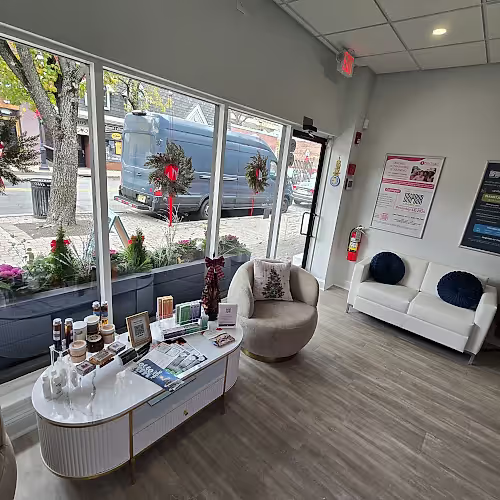
Visit The DRIPBaR Cranford for your next session
- Start at Overlook Medical Center, 99 Beauvoir Ave, Summit, NJ 07901, United States.
- Take Walnut St to Broad St. (About 0.2 miles / 3 min)
- Take Shunpike Rd and S Springfield Ave to N Union Ave in Cranford. (About 6.5 miles / 17 min)
- Arrive at The DRIPBaR Cranford, 102A N Union Ave, Cranford, NJ 07016, United States.
Ready to support your skin?
If you are considering red light therapy for tone and texture, our team is here to help. We can send more details or answer your questions whenever you are ready. There is no rush to decide. Reach out when the time feels right for you.
Additional Related Resources
For a straightforward overview of red light therapy and its benefits for skin appearance, the Cleveland Clinic on red light therapy benefits explains how this approach supports recovery, calmness, and a refreshed look. This resource is helpful for understanding the practical role of red light therapy in a broader wellness routine.
If you want to learn more about safe skincare routines for pigment-prone skin, the safe exfoliation for pigment-prone skin guide from the American Academy of Dermatology offers tips on gentle exfoliation and barrier-first habits. This information is especially relevant for those looking to avoid irritation and support even skin tone.
IV Hydration for Headaches: What You Need to Know
This web site is for educational purposes only. It is not intended as a substitute for the diagnosis, treatment and advice of a qualified licensed professional. This site offers people health information and informs them about some of their options, but in no way should anyone consider that this site represents the “practice of medicine.” This site assumes no responsibility for how this material is used. Also note that this website frequently updates its contents, due to a variety of reasons.
At The DRIPBaR Cranford, your well-being is our top priority. Our Owner & Medical Director, Augustine Nguyen (License No: 25MA09559300, New Jersey), oversees and leads our licensed providers with expert guidance and works closely with our licensed medical professionals, ensuring you receive safe, high-quality, and personalized care during every visit. You’re in trusted hands with a team dedicated to helping you feel your best.
- Terms of Use
- Privacy Policy
- Accessibility
- Sitemap
- (908) 315-0117
- Text Us
- Book Appointment
- Get Directions
- Message Us
- Current Promos
- (908) 315-0117
- Text Us
- Book Appointment
- Get Directions
- Message Us
- Current Promos