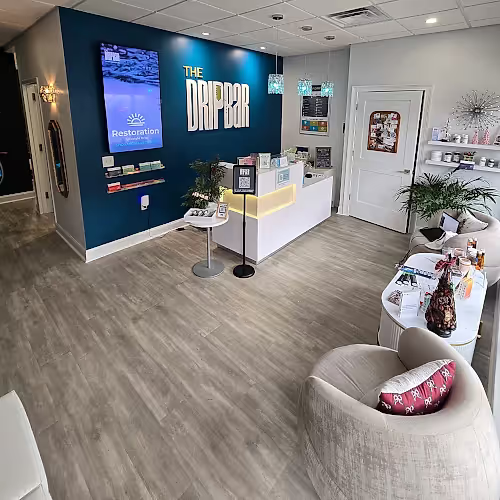

At The DRIPBaR Cranford, many guests from nearby towns like Westfield find it easy to access wellness services that fit their busy lives. One increasingly popular option is red light therapy for fibromyalgia, which is offered in a comfortable, spa-like setting. Sessions are designed to be relaxing and accessible, making it simple to add recovery support into your week. Whether you are new to photobiomodulation or looking to refine your routine, our team provides guidance tailored to your needs. This post will help you understand how red light therapy might complement your current wellness plan.
Fibromyalgia is complex, and no single approach works for everyone. Red light therapy is not a cure, but it may support comfort, relaxation, and sleep readiness for some people. The focus is on gentle, consistent routines rather than quick fixes. By pairing photobiomodulation with hydration and pacing, you can build a plan that fits your energy and recovery needs.
Understanding photobiomodulation basics
Photobiomodulation, often called PBM or red light therapy, uses specific wavelengths of red and near-infrared light to support the body’s natural recovery processes. During a session, you typically sit or recline comfortably while light is applied to targeted areas. PBM is non-invasive and does not require downtime, making it a low-effort addition to wellness routines. Most people describe the experience as warm and calming, with some noticing subtle relaxation or reduced tension. The science suggests PBM may influence cellular energy and recovery signaling, but results vary. For those with fibromyalgia, the appeal lies in its gentle approach and the ability to personalize session timing and frequency. Consistency is key, and tracking your response over several weeks helps determine if it fits your needs.
Red light therapy for chronic pain
Red light therapy is often discussed as a supportive tool for managing chronic pain, including the widespread discomfort of fibromyalgia. Unlike medications or intense exercise, PBM offers a non-stimulating way to encourage relaxation and tissue recovery. Many people appreciate that sessions are easy to tolerate, even on low-energy days. The focus remains on comfort and gradual improvement rather than dramatic changes.
Photobiomodulation for fibromyalgia routines
Building a sustainable PBM routine for fibromyalgia starts with keeping things simple. Begin with shorter sessions and increase gradually if you tolerate them well. Pairing PBM with hydration, gentle movement, and consistent sleep cues can amplify its supportive effects. Many find that midday or early evening sessions help with tension and sleep readiness. Tracking your comfort and energy each week, rather than expecting immediate results, sets realistic expectations and helps you adjust your plan as needed.
PBM is not a one-size-fits-all solution, especially for those with heightened sensitivity. Some people notice subtle improvements in comfort or sleep after several sessions, while others may need to adjust timing or duration. The key is to prioritize consistency and listen to your body’s feedback. If a session feels too intense, try shortening the exposure or increasing the distance from the light source.
Red light therapy for sleep support
Sleep challenges are common in fibromyalgia, and PBM is often included in evening wind-down routines. Sessions can help signal the nervous system to shift into a calmer state, making it easier to relax before bed. Many people pair red light therapy with dim lighting, gentle stretching, or calming breathing exercises. Over time, this sequence may support better sleep readiness and reduce nighttime tension. Remember, results are gradual and best tracked over several weeks.
If you struggle with wired but tired evenings, consider scheduling PBM 60 to 120 minutes before bedtime. Follow the session with low-stimulation activities like reading or listening to music. Avoid caffeine late in the day and keep your sleep environment cool and dark. These small adjustments, combined with consistent PBM use, can help reinforce your body’s natural sleep cues and improve comfort at night.
Muscle recovery routines
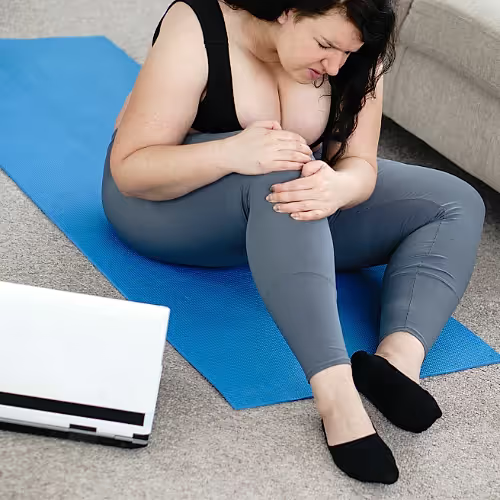
Muscle tension and stiffness are frequent complaints among those with fibromyalgia. PBM is commonly discussed as a way to support muscle comfort and recovery without requiring strenuous activity. Sessions may be especially helpful after a busy day or during flare-ups when movement feels difficult. By focusing on gentle, regular use, you can help your body recover without adding extra stress. Always adjust your routine based on how you feel each day.
Pairing PBM with light mobility exercises, such as shoulder rolls or neck stretches, can enhance relaxation and circulation. Keep movement gentle and brief, especially on sensitive days. Hydration also plays a key role in muscle comfort, so sip fluids throughout the day. Over time, these combined habits may help reduce the frequency and intensity of tension spikes.
Fibromyalgia flare recovery routine
During flare weeks, routines often fall apart, making recovery feel out of reach. Using red light therapy for fibromyalgia as a scheduled anchor can help you regain a sense of control. Even a short session can serve as a gentle reset, especially when paired with hydration and rest. Many people find that having a simple, repeatable plan reduces decision fatigue and supports gradual improvement. The key is to focus on what feels doable, not perfect.
On severe days, aim for the emergency minimum: sip fluids, eat a protein-rich meal, and do a few minutes of gentle movement if possible. PBM can be the one supportive appointment you keep, even when energy is low. Tracking your comfort and sleep quality each week helps you notice subtle trends. Over time, these small steps can add up to greater resilience and stability.
The DRIPBaR red light therapy
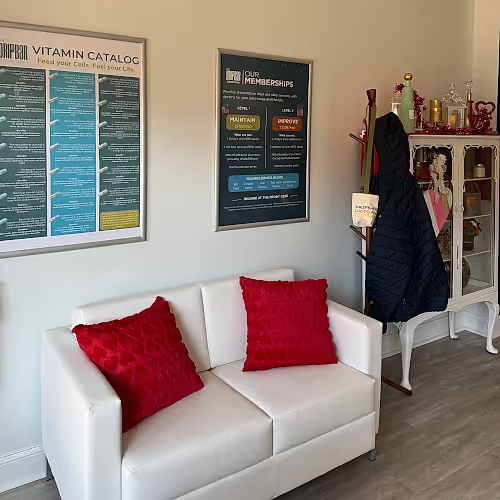
At The DRIPBaR Cranford, red light therapy is offered in a Clearlight halotherapy sauna with a tower-mounted system. Sessions are designed for comfort and relaxation, with staff available to guide you through the process. Many guests appreciate the calm, spa-like environment and the ability to combine PBM with other wellness services. The focus is always on safety, personalization, and supporting your overall recovery goals.
- Comfort-first approach: Sessions are non-invasive and tailored to your needs.
- Personalized guidance: Staff help you adjust timing and duration for best results.
- Wellness pairing: Combine PBM with hydration, mobility, or other recovery services.
- Relaxing environment: Enjoy a calm, supportive space designed for rest and renewal.
Tracking subtle improvements
Progress with PBM is often gradual and best measured over weeks, not days. Use a simple dashboard to track comfort, sleep, and energy. Look for trends rather than dramatic changes.
Record your session dates, duration, and how you feel during and after each appointment. Note changes in sleep quality, muscle tension, and overall mood. If you notice fewer crash days or improved relaxation, these are meaningful signs of progress. If results are unclear, consider adjusting your routine or focusing on foundational habits like hydration and pacing. Consistency and patience are essential.
Remember that PBM is just one part of a broader recovery plan. Pairing it with protein-forward meals, fiber-rich foods, and gentle movement can amplify benefits. Protecting your sleep routine and moderating caffeine or alcohol intake also play important roles. Over time, these combined efforts support greater stability and resilience.
If you feel overstimulated after a session, try reducing the duration or increasing the distance from the light. If you feel sleepy, plan sessions when you can rest afterward. Always listen to your body and adjust as needed.
When to seek help
While PBM is generally considered low risk, it is important to watch for new or severe symptoms. Seek medical evaluation for chest pain, fainting, severe headaches, or new neurologic changes. Persistent or worsening symptoms should always be discussed with your healthcare provider. PBM is not a substitute for medical assessment or ongoing care. Safety and self-advocacy are always priorities.
If you have a history of photosensitivity, seizure risk, or are pregnant, consult your provider before starting PBM. Use eye protection if recommended and avoid staring directly at the light source. Communicate any concerns with your wellness team.
For those with complex medical conditions, coordinate PBM use with your healthcare provider. Adjust sessions based on comfort and response. Your safety and well-being come first.
Near infrared light therapy for muscle recovery
Clients from Cranford and surrounding areas often choose The DRIPBaR for its convenient location and welcoming atmosphere. Near infrared light therapy is offered as part of a comprehensive approach to muscle recovery and comfort. Sessions are structured to be accessible, even for those with mobility limitations or heightened sensitivity. The focus is on gradual progress, with staff available to help personalize your experience. Many guests appreciate the ability to stack PBM with other wellness services for a holistic routine.
Red and near-infrared light are commonly discussed for their potential to support tissue recovery and circulation. PBM sessions may help reduce muscle guarding and promote relaxation, especially when paired with hydration and gentle movement. Results are often subtle and build over time, so patience is important. Tracking your weekly comfort and energy can help you notice meaningful shifts. Always prioritize comfort and adjust your plan as needed.
Fibromyalgia-safe mobility guidelines
Gentle movement is a cornerstone of fibromyalgia recovery, but intensity can backfire. Focus on short, frequent mobility sessions rather than long stretches. Simple routines like shoulder rolls, neck stretches, and slow walks can support circulation and comfort. Stop before pain increases and aim for relief, not range. On flare days, even two minutes of movement is valuable. Pairing mobility with PBM may make it easier to relax and recover.
If stretching or movement increases pain, reduce intensity or duration. Listen to your body and adjust as needed. The goal is to support comfort, not push through discomfort.
Fibromyalgia flare recovery stack
A well-rounded recovery plan includes hydration, sleep protection, and gentle movement alongside PBM. Sip fluids throughout the day to help avoid dehydration, which can worsen fatigue and tension. Protect your sleep routine by keeping a consistent wake time and using wind-down cues at night. Add protein and fiber-rich foods to support energy and gut health. These basics, paired with regular PBM, form a strong foundation for managing flare weeks.
On difficult days, focus on the emergency minimum: fluids, protein, brief movement, and a short wind-down. PBM can be the one supportive action you keep when energy is low. Over time, these habits help build resilience and stability.
Personalizing your PBM comfort plan
Every person’s experience with fibromyalgia is unique, so your PBM routine should reflect your needs and preferences. Start with conservative session lengths and adjust based on comfort and response. Choose a schedule that fits your lifestyle, whether that is midday resets, evening wind-downs, or post-activity recovery. Track your outcomes weekly to identify trends and make informed adjustments. Pair PBM with foundational habits like hydration, sleep cues, and gentle movement for best results. Remember, progress is often subtle and builds over time.
If you are unsure where to start, ask your wellness team for guidance. They can help you design a plan that feels manageable and supportive. The focus is always on comfort, consistency, and gradual improvement.
Building a sustainable PBM routine
Consistency is the foundation of any effective PBM routine for fibromyalgia. Begin with a trial phase, using regular sessions over several weeks to assess your response. Move into a maintenance phase with periodic appointments to support comfort and sleep. During flare weeks, increase session frequency if tolerated, then taper as your baseline improves. Avoid rigid prescriptions and instead focus on patterns that fit your needs. Tracking your comfort, sleep, and energy helps you personalize your plan and notice meaningful trends.
Many people find that using red light therapy for fibromyalgia as part of a weekly routine supports greater stability and resilience. The key is to keep your plan simple and adaptable. If you notice improvements, continue at a sustainable frequency. If not, consider focusing on other foundational habits like hydration, sleep, and pacing.
Remember that PBM is most effective when paired with other supportive habits. Hydration, protein-rich meals, and gentle movement all contribute to recovery and comfort. Protecting your sleep routine and moderating caffeine or alcohol intake can further enhance your results. Over time, these combined efforts help you build a more resilient foundation for managing fibromyalgia.
Fibromyalgia flare recovery checklist
On challenging days, focus on the basics: sip fluids every hour, eat a protein serving early, and do a few minutes of gentle movement. Use PBM as your one supportive appointment if energy is limited. Track your comfort and sleep quality each week to notice subtle trends. Adjust your plan as needed based on your body’s feedback.
If you feel overstimulated after a session, reduce the duration or increase the distance from the light. If you feel sleepy, plan sessions when you can rest afterward. Always prioritize comfort and adjust as needed.
Fibromyalgia flare recovery routine summary
A realistic four-week PBM plan starts with simple, conservative sessions and builds gradually. In week one, focus on hydration, protein at breakfast, gentle movement, and calm breathing. Add sleep readiness cues and early evening PBM in week two. In week three, reduce boom and bust cycles by scheduling PBM on recovery days and protecting sleep after exertion. By week four, personalize your routine by choosing your top two anchors and maintaining them daily. Adjust frequency and timing based on your comfort and response.
If PBM supports your comfort and sleep routines, continue at a pace that feels sustainable. If not, redirect your efforts to other foundational habits. The goal is to build a routine that fits your needs and supports long-term resilience.
Tracking your weekly outcomes helps you notice trends and make informed adjustments. Compare comfort, sleep, and energy over several weeks rather than expecting immediate results. Consistency and patience are key to finding what works best for you.
If you experience new or severe symptoms, pause your routine and seek medical advice. Your safety and well-being are always the top priorities. PBM is a supportive tool, not a replacement for medical care.
Ready to explore your comfort-first recovery plan?
If you are interested in trying red light therapy as part of your fibromyalgia wellness routine, The DRIPBaR Cranford team is here to help. We offer personalized guidance and a supportive environment to help you build a routine that fits your needs. Feel free to reach out for more details or to ask questions at your own pace. There is no pressure to decide right away, your comfort and confidence come first. If you are ready to schedule a session, our team will walk you through every step. We look forward to supporting your wellness journey.
IV Hydration for Headaches: What You Need to Know
This web site is for educational purposes only. It is not intended as a substitute for the diagnosis, treatment and advice of a qualified licensed professional. This site offers people health information and informs them about some of their options, but in no way should anyone consider that this site represents the “practice of medicine.” This site assumes no responsibility for how this material is used. Also note that this website frequently updates its contents, due to a variety of reasons.
At The DRIPBaR Cranford, your well-being is our top priority. Our Owner & Medical Director, Augustine Nguyen (License No: 25MA09559300, New Jersey), oversees and leads our licensed providers with expert guidance and works closely with our licensed medical professionals, ensuring you receive safe, high-quality, and personalized care during every visit. You’re in trusted hands with a team dedicated to helping you feel your best.
- Terms of Use
- Privacy Policy
- Accessibility
- Sitemap
- (908) 315-0117
- Text Us
- Book Appointment
- Get Directions
- Message Us
- Current Promos
- (908) 315-0117
- Text Us
- Book Appointment
- Get Directions
- Message Us
- Current Promos