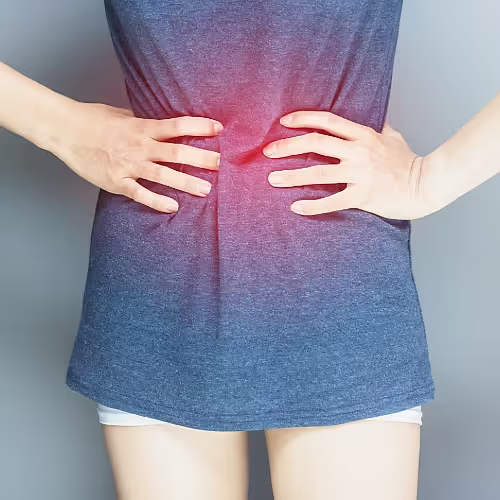

Why does pelvic discomfort linger?
During flare-ups, pelvic discomfort can disrupt daily routines and make even simple activities challenging. The sensation often persists, leaving you searching for relief and answers. Understanding the underlying causes is key to finding lasting comfort.
Find Relief and Restore Comfort
Support for urinary wellness.
Bladder inflammation can cause persistent discomfort, frequent urges, and a burning sensation that interferes with your day. The DRIPBaR offers supportive therapies designed to help reduce inflammation, promote tissue repair, and ease pelvic tension. Our approach focuses on hydration, targeted nutrients, and gentle recovery strategies to support your urinary system. These services are intended to complement your existing care and help you feel more at ease.
If you are seeking additional support, you can explore integrative options at The DRIPBaR Cranford to help manage symptoms and promote bladder health. Our team will work with you to tailor a plan that fits your needs and lifestyle. Experience a more comfortable recovery and improved wellness. Book your appointment today to start your journey toward better urinary comfort.
Did you know?
Bladder inflammation is much more common in women and can be triggered by infections, stress, or even certain foods.
Understanding Bladder Inflammation
Imagine feeling a constant urge to urinate, paired with pelvic discomfort that doesn’t go away easily. Bladder inflammation, also called cystitis, occurs when the bladder lining becomes irritated or swollen, often due to infection or chronic irritation. This condition disrupts the bladder’s protective barrier, allowing urine irritants to aggravate sensitive tissues. Vitamin C plays a role in supporting immune defenses and creating an environment less favorable for bacteria.
Triggers for bladder inflammation include bacterial infections, chemical irritants, certain medications, and ongoing conditions like interstitial cystitis. Stress, hormonal changes, and dietary factors can also worsen symptoms. Managing bladder inflammation involves identifying and minimizing these triggers, while supporting tissue repair and immune balance. Integrative approaches, such as hydration and nutrient support, may help reduce symptom severity and improve comfort.
Symptoms of Bladder Inflammation
Bladder inflammation can present differently from person to person, but discomfort and urinary urgency are common experiences. Many notice a frequent need to urinate, even when the bladder is not full, which can disrupt sleep and daily activities. Some individuals report a burning sensation during urination, adding to the overall discomfort. Pelvic pressure or mild pain may also be present, making it difficult to ignore these symptoms.
In some cases, symptoms can be persistent and not clearly linked to infection, especially in chronic forms like interstitial cystitis. Flare-ups may be triggered by stress, certain foods, or hormonal changes, leading to unpredictable symptom patterns. The intensity of discomfort can vary, with some days feeling manageable and others more challenging. This variability can make it hard to plan routines or find lasting relief.
Other signs may include cloudy urine, mild fatigue, or a general sense of pelvic heaviness. While these symptoms are not unique to bladder inflammation, their presence alongside urinary changes often prompts individuals to seek evaluation. Recognizing patterns and understanding personal triggers can help guide management strategies. Early attention to symptoms may help you avoid worsening and support better outcomes.
Traditional Treatments
When bladder inflammation is suspected, initial care often focuses on identifying the underlying cause and providing symptom relief. For bacterial infections, antibiotics are commonly prescribed, while non-infectious cases may involve anti-inflammatory medications or bladder instillations. Hydration and dietary modifications are also recommended to help soothe irritated tissues and support recovery. Magnesium is sometimes used to relax bladder muscles and ease discomfort. Chronic or recurrent cases may require a more comprehensive approach, including lifestyle adjustments and ongoing symptom monitoring. Stress management, pelvic floor exercises, and immune support can play important roles in reducing flare-ups. Integrative therapies, such as nutrient infusions or hydration support, may be considered as adjuncts to standard care. It is important to work with healthcare professionals to develop a plan tailored to individual needs.
How IV Therapy May Help
Integrative wellness services can provide additional support for those managing bladder inflammation, especially when traditional approaches alone do not fully address symptoms. By focusing on hydration, targeted nutrients, and relaxation techniques, these therapies aim to reduce discomfort and promote tissue recovery. Controlled dosing and professional supervision help ensure that each session is tailored to your needs and safety. While not a replacement for medical treatment, these services can complement your existing care plan and support your overall well-being. Clients often find that regular sessions help ease pelvic tension, support immune balance, and improve comfort during recovery. The DRIPBaR’s offerings are designed to work alongside your current strategies, providing a gentle boost to your body’s natural recovery processes. If you are looking for ways to enhance your resilience and manage symptoms more effectively, these options may offer valuable benefits. Always consult with your healthcare provider to ensure integrative therapies are appropriate for your situation.
Supportive Therapies for Pelvic Comfort
Specialized wellness services can help reduce pelvic discomfort and support urinary health. These offerings focus on hydration, circulation, and relaxation to promote tissue recovery. Integrative approaches may ease symptoms and improve overall comfort.
Infrared Sauna
Infrared Sauna therapy delivers full-spectrum heat that penetrates beneath the skin to support circulation and natural detoxification. The process encourages sweating, which helps eliminate metabolic waste and environmental toxins. This gentle warmth also relaxes muscles and joints, aiding recovery and comfort. Improved circulation enhances skin tone and hydration by increasing nutrient delivery. Sessions are conducted in a private, spa-like setting designed for relaxation. Regular use may support overall wellness and vitality. This therapy is a non-invasive option for those seeking restorative care.
Read moreSoother
Soother provides a blend of magnesium, calcium, and taurine delivered intravenously to support nervous system health and muscle relaxation. This therapy helps reduce tension and promotes restful sleep by calming the body’s natural pathways. It replenishes key nutrients that support mental clarity and mental balance. Suitable for individuals experiencing stress, muscle tightness, or sleep difficulties, Soother offers a gentle approach to restoring overall wellness. Regular treatments may help maintain steady energy and improve physical comfort throughout daily life.
Kind, helpful, and efficient. Had a great experience here.
It was our first time here and they took such amazing care of us! We’ll be back again.
Great place and very friendly staff!
Warm welcome and amazing service from the team here. Very clean, organized, and well managed. Relaxing experience.
Read more
Ready to Get Started?
Feel your best with a treatment designed to support your goals! Whether you’re looking for hydration, energy, immune support, recovery, or overall wellness, our team will help you choose the right option and make sure your experience is comfortable from start to finish. Click the Book Appointment button below to pick your reserve a time that fits your schedule.
This web site is for educational purposes only. It is not intended as a substitute for the diagnosis, treatment and advice of a qualified licensed professional. This site offers people health information and informs them about some of their options, but in no way should anyone consider that this site represents the “practice of medicine.” This site assumes no responsibility for how this material is used. Also note that this website frequently updates its contents, due to a variety of reasons.
At The DRIPBaR Cranford, your well-being is our top priority. Our Owner & Medical Director, Augustine Nguyen (License No: 25MA09559300, New Jersey), oversees and leads our licensed providers with expert guidance and works closely with our licensed medical professionals, ensuring you receive safe, high-quality, and personalized care during every visit. You’re in trusted hands with a team dedicated to helping you feel your best.
- Terms of Use
- Privacy Policy
- Accessibility
- Sitemap
- (908) 315-0117
- Text Us
- Book Appointment
- Get Directions
- Message Us
- Current Promos
- (908) 315-0117
- Text Us
- Book Appointment
- Get Directions
- Message Us
- Current Promos