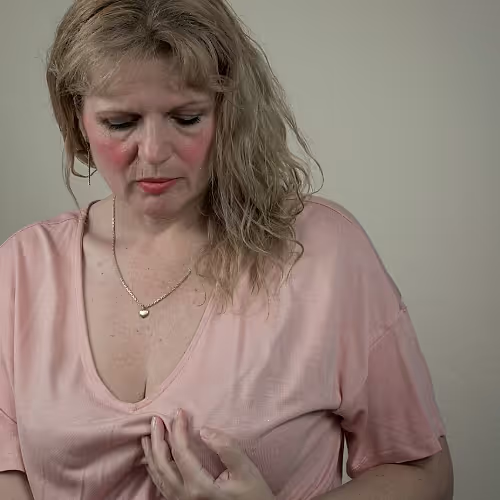

Struggling with hot flashes and fatigue?
Many women experience disruptive hot flashes and persistent fatigue during menopause. These symptoms can interfere with daily routines and reduce overall well-being. Addressing hormonal changes may help restore comfort and energy.
Feel Balanced and Energized Every Day
Support for hormonal shifts.
The DRIPBaR helps address menopausal symptoms by delivering targeted nutrients that support hormonal balance, mood, and energy. IV therapy can provide hydration and essential vitamins to help reduce hot flashes, improve sleep, and promote mental clarity. By bypassing the digestive system, these nutrients are absorbed quickly for more immediate relief. This approach is designed to help women feel more comfortable and resilient during hormonal transitions.
Clients can access personalized IV wellness plans at The DRIPBaR Cranford, tailored to their unique symptoms and lifestyle needs. Regular infusions may help manage fatigue, mood swings, and sleep disturbances associated with menopause. Our licensed providers provide a safe, supportive environment for every visit. Book your appointment today to start feeling your best.
Did you know?
Menopause is officially identified after 12 consecutive months without a menstrual period.
Understanding Menopausal Symptoms
Many expect menopause to be a brief transition, but its symptoms can last for years and vary widely. Menopausal symptoms arise from hormonal fluctuations, especially declining estrogen and progesterone, which affect multiple body systems. These changes can lead to hot flashes, mood swings, sleep disturbances, and fatigue. The experience is unique to each woman, with some noticing only mild effects while others face more significant challenges.
Triggers for symptoms may include stress, lifestyle factors, and underlying health conditions. Responsible management often involves a combination of lifestyle adjustments, symptom tracking, and professional support. Approaches such as nutrition, exercise, and hydration can help ease discomfort. Exploring integrative options may offer additional relief for those seeking alternatives to traditional therapies.
Common Symptoms of Menopause
Menopausal symptoms commonly include hot flashes, night sweats, and sudden feelings of warmth that can disrupt daily life. Many women also report increased fatigue and difficulty concentrating, often described as ‘brain fog.’ These symptoms may fluctuate in intensity and frequency, making them unpredictable and sometimes challenging to manage. Emotional changes such as irritability, anxiety, and mood swings are frequent, impacting relationships and overall quality of life.
Sleep disturbances are another hallmark, with trouble falling or staying asleep affecting many women during menopause. This can lead to daytime tiredness, reduced motivation, and lower productivity. Some women experience physical symptoms like joint pain, muscle tension, or headaches, which may be linked to hormonal shifts. Vaginal dryness and reduced libido are also common, sometimes affecting intimacy and self-confidence.
The pattern and severity of menopausal symptoms can differ greatly from person to person. While some women have only mild discomfort, others may find symptoms significantly interfere with daily routines. Recognizing these patterns helps guide effective management and support. Tracking changes over time can be valuable for identifying triggers and evaluating the impact of different strategies.
Traditional Treatments
Traditional treatments for menopausal symptoms often begin with lifestyle modifications, such as regular exercise, balanced nutrition, and stress management. These approaches aim to support overall health and may help lessen the severity of symptoms. For women with more pronounced symptoms, hormone replacement therapy (HRT) is a common option, providing relief by supplementing declining hormone levels. However, HRT is not suitable for everyone and may carry certain risks. Other supportive measures include non-hormonal medications, counseling, and integrative therapies like acupuncture or mindfulness practices. Some women explore natural supplements or alternative therapies, though evidence for their effectiveness varies. It is important to work with a healthcare provider to determine the most appropriate plan. Ongoing monitoring and adjustments can help ensure symptom relief while minimizing potential side effects.
How IV Therapy May Help
While many expect menopause to be managed solely with medication, IV therapy offers a complementary approach focused on targeted nutrient delivery. By providing hydration, vitamins, and minerals directly into the bloodstream, this method supports the body’s ability to regulate mood, energy, and sleep. The controlled dosing and professional supervision help ensure a safe and comfortable experience. This approach can be tailored to address individual symptoms and changing needs. The DRIPBaR’s services are designed to help women navigate hormonal transitions with greater ease. IV infusions may help reduce inflammation, support immune health, and promote cognitive clarity during menopause. Regular sessions can be adjusted based on symptom patterns and lifestyle factors. Our team works to create a supportive environment where women can explore integrative options for symptom management.
Nutrient Support for Menopausal Relief
Certain IV therapies provide hydration and nutrients that may help ease menopausal symptoms. These offerings can support mood, energy, and sleep quality. Personalized plans are available to address individual needs.
Sermorelin Peptide Therapy
Sermorelin Peptide Therapy uses a growth hormone–releasing hormone analog to encourage your body’s own production of growth hormone. This natural stimulation supports tissue regeneration, metabolic health, and improved sleep quality. Clients often notice enhanced mental clarity and physical recovery. The therapy also promotes skin elasticity and bone density. It is administered through self-injection with professional guidance. This approach fits within a comprehensive wellness plan focused on long-term vitality and balance.
Read moreSoother
Soother provides a blend of magnesium, calcium, and taurine delivered intravenously to support nervous system health and muscle relaxation. This therapy helps reduce tension and promotes restful sleep by calming the body’s natural pathways. It replenishes key nutrients that support mental clarity and mental balance. Suitable for individuals experiencing stress, muscle tightness, or sleep difficulties, Soother offers a gentle approach to restoring overall wellness. Regular treatments may help maintain steady energy and improve physical comfort throughout daily life.
Kind, helpful, and efficient. Had a great experience here.
It was our first time here and they took such amazing care of us! We’ll be back again.
Great place and very friendly staff!
Warm welcome and amazing service from the team here. Very clean, organized, and well managed. Relaxing experience.
Read more
Ready to Get Started?
Feel your best with a treatment designed to support your goals! Whether you’re looking for hydration, energy, immune support, recovery, or overall wellness, our team will help you choose the right option and make sure your experience is comfortable from start to finish. Click the Book Appointment button below to pick your reserve a time that fits your schedule.
This web site is for educational purposes only. It is not intended as a substitute for the diagnosis, treatment and advice of a qualified licensed professional. This site offers people health information and informs them about some of their options, but in no way should anyone consider that this site represents the “practice of medicine.” This site assumes no responsibility for how this material is used. Also note that this website frequently updates its contents, due to a variety of reasons.
At The DRIPBaR Cranford, your well-being is our top priority. Our Owner & Medical Director, Augustine Nguyen (License No: 25MA09559300, New Jersey), oversees and leads our licensed providers with expert guidance and works closely with our licensed medical professionals, ensuring you receive safe, high-quality, and personalized care during every visit. You’re in trusted hands with a team dedicated to helping you feel your best.
- Terms of Use
- Privacy Policy
- Accessibility
- Sitemap
- (908) 315-0117
- Text Us
- Book Appointment
- Get Directions
- Message Us
- Current Promos
- (908) 315-0117
- Text Us
- Book Appointment
- Get Directions
- Message Us
- Current Promos