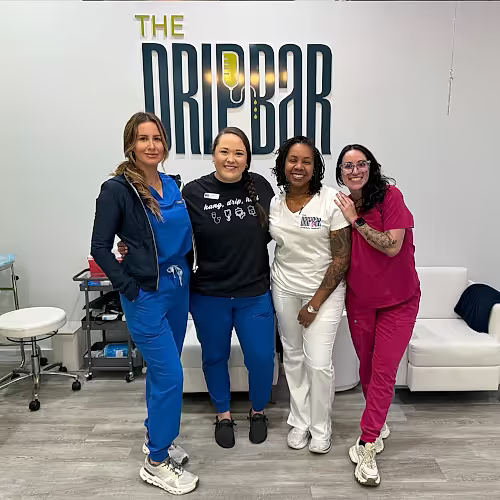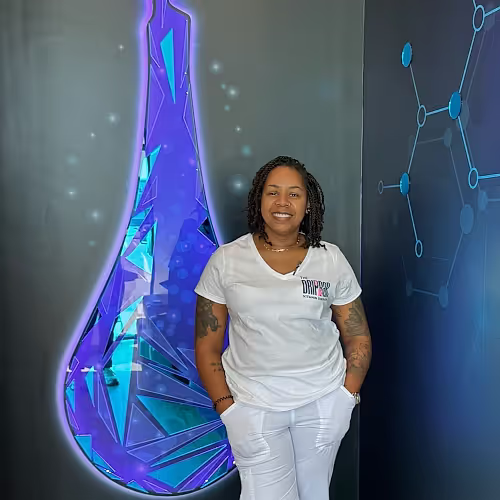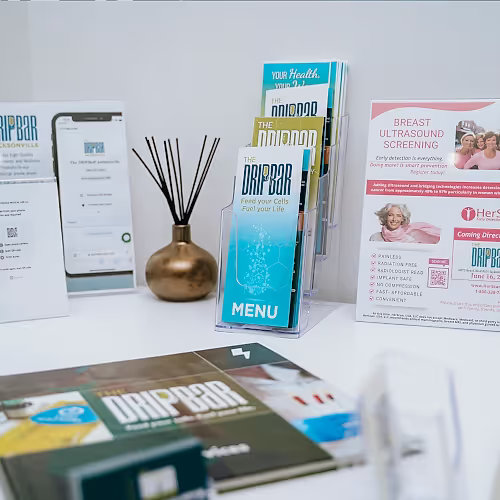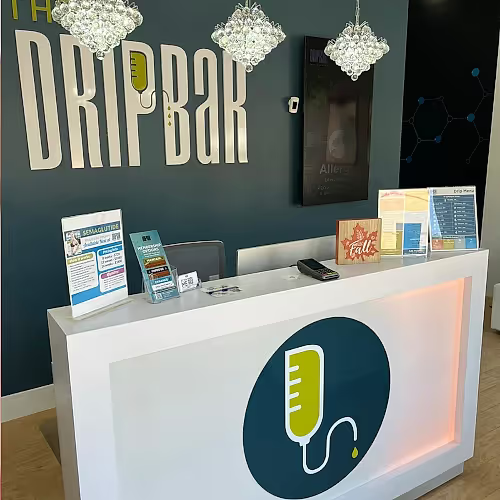

At The DRIPBaR D.C., we see many clients from Georgetown and nearby neighborhoods who are looking for supportive options during or after cancer treatment. For those seeking a wellness-focused approach, IV vitamin C therapy is often discussed as a way to help support hydration, comfort, and a sense of steadiness. Our team emphasizes the importance of working alongside your oncology team to ensure safety and alignment with your treatment plan. Every visit is designed to be both restorative and medically responsible, with careful screening and personalized attention.
Integrative oncology supportive care explained
Integrative oncology supportive care is about helping people manage the effects of cancer treatment while staying closely connected to their medical plan. This approach prioritizes comfort, daily function, and emotional resilience, rather than offering alternative therapies. At The DRIPBaR D.C., supportive care may include hydration, symptom support, and wellness routines that work in harmony with your oncology guidance. Licensed professionals coordinate with your medical team to ensure every step is safe and appropriate. Many clients find that this collaborative model helps them feel more in control and better equipped to handle the ups and downs of treatment. Regular communication with both your wellness provider and oncology team is encouraged. This ensures that supportive care remains tailored to your unique needs and circumstances.
Quality-of-life focus in cancer supportive care
The primary goal of integrative oncology supportive care is to enhance daily well-being during and after cancer treatment. This means focusing on hydration, comfort, and routines that help you feel more stable. Wellness support is always coordinated with your oncology plan. Each person’s experience is unique, so care is personalized and flexible.
IV vitamin C basics
IV vitamin C delivers ascorbic acid directly into the bloodstream, resulting in higher circulating levels than oral supplements. This method is explored in supportive care for its potential to help with hydration and overall comfort, especially when oral intake is difficult. It is not a replacement for cancer treatment but can be part of a wellness plan. Safety screening is essential before starting any IV therapy. Experiences with IV vitamin C vary, and results depend on individual health and treatment phase. Always discuss new supportive options with your oncology team.
People in cancer care often consider IV vitamin C to help support hydration, energy, and recovery routines. Some find it beneficial during periods of low appetite or after challenging treatment cycles. The focus is on feeling steadier and more resilient, not on caring for cancer itself. IV vitamin C is just one part of a broader supportive plan. Other elements include sleep, nutrition, gentle movement, and stress management. Coordination with your medical team is always recommended.
Personalized wellness and safety screening
Safety is the foundation of any IV therapy, especially in cancer supportive care. Before starting, licensed professionals review your medical history, kidney function, and any relevant lab results. Screening for conditions like G6PD deficiency and iron overload is standard practice. Fluid sensitivity and medication interactions are also considered to minimize risk. The DRIPBaR D.C. uses conservative starting doses and monitors clients closely during each session. If you have a history of kidney stones, heart issues, or allergies to IV ingredients, these are discussed in detail. This careful approach ensures that every supportive care plan is both safe and tailored to your needs.
Common side effects of IV vitamin C are generally mild and may include warmth, lightheadedness, or increased urination. Some people feel more energized afterward, while others feel neutral or tired. It is important to rest after your session and monitor how you feel. Any unusual symptoms should be reported promptly. Your wellness provider will guide you on what to expect and when to seek medical attention.
A well-structured support day at The DRIPBaR D.C. includes preparation, the IV session, and post-visit recovery. Before your visit, eat a gentle meal if possible and bring your medication list. During the session, licensed providers monitor comfort and adjust as needed. Afterward, gentle movement and hydration are encouraged to support recovery. Clients are advised to note changes in energy, mood, and symptoms the next day. Sharing these updates with your oncology team helps keep your care coordinated.
Lifestyle strategies for resilience
Supportive care is most effective when combined with healthy lifestyle habits. Gentle movement, like short walks or light stretching, can help reduce fatigue over time. Protecting your sleep routine and managing stress are also key components. Nutrition adequacy matters, so aim for small, frequent meals that are easy to tolerate. Symptom journaling can help you and your healthcare provider spot patterns and adjust your plan. These strategies work together to support steadier days and improved quality of life.
Hydration is a central theme in cancer supportive care. Many side effects worsen when hydration is inconsistent. IV support may be helpful when oral intake is difficult, but should always be coordinated with your medical team. Small, frequent sips and pairing fluids with meals can also improve tolerability.
Emotional resilience is just as important as physical support. Anxiety, stress, and fear of recurrence can amplify fatigue and discomfort. Support groups, counseling, and relaxation techniques can help manage these feelings. The DRIPBaR D.C. encourages clients to use all available resources for mental well-being. Caregivers also play a vital role in planning and support. Open communication with your team ensures your needs are met holistically.
Clinic coordination and oncology communication
Coordinating your wellness plan with your oncology team is the most important step when considering IV vitamin C therapy. This ensures that supportive care aligns with your treatment schedule, lab monitoring, and any supplement restrictions. Licensed providers at The DRIPBaR D.C. review your current medications, treatment phase, and any guidance from your oncology provider. Bringing a summary of your plan to your medical team helps avoid unwanted interactions and supports safer care. Tracking your symptoms and sharing updates can refine your supportive routine. This collaborative approach helps you feel confident and supported throughout your journey.
Clients often have questions about timing, dosing, and safety screening. At The DRIPBaR D.C., every session includes a review of your health history and a discussion of your goals. The team documents ingredients and doses for continuity. This transparency makes it easier to coordinate with your oncology provider and adapt your plan as needed.
Tracking your quality-of-life outcomes can help personalize your supportive care. Noting changes in fatigue, sleep, appetite, and mood provides valuable feedback. Share these trends with your oncology team, especially if symptoms persist or worsen. This information helps guide adjustments to your wellness plan. Consistency and open communication are key to making supportive care work for you.
Managing cancer supportive care
Cancer-related fatigue and side effects are complex and require a layered approach. IV therapies are just one piece of the puzzle. Sleep, nutrition, movement, and mental support all play important roles. The DRIPBaR D.C. encourages clients to build routines that address multiple aspects of well-being.
Caregivers are often involved in planning and support. They can help with transportation, meal prep, and symptom tracking. Their involvement can make the process smoother and more reassuring.
Antioxidant support in wellness
Vitamin C is commonly discussed as an antioxidant, but oncology plans may include specific guidance about supplement timing and dosing. It is important not to assume that antioxidants are always beneficial or always discouraged. Coordination with your oncology team ensures that any supportive strategies, including antioxidants, are safe and appropriate for your situation. Timing and dose may matter, so share your plan openly. The DRIPBaR D.C. focuses on responsible, individualized care. Your safety and comfort are always the top priorities.
Other supportive options at The DRIPBaR D.C. include B12 shots, glutathione, and red light therapy. These services are framed as ways to support energy, recovery, and relaxation, not as fix or treatments for cancer. Each option is discussed in the context of your overall wellness plan. Screening and coordination remain essential. The goal is to help you feel more consistent and resilient during recovery.
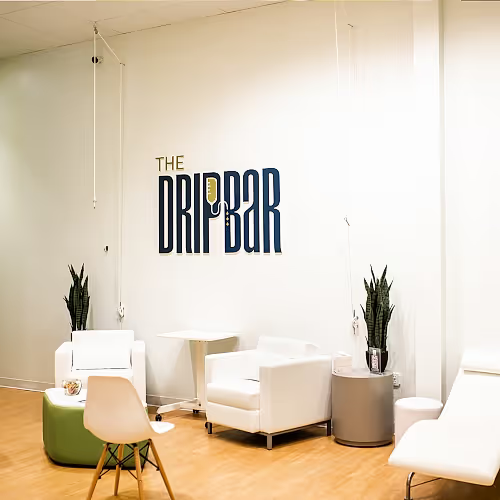
Clients appreciate the calm, boutique environment and the expertise of the licensed team. Every visit is designed to be restorative, with amenities like compression sleeves and cozy blankets. The private wellness room offers a quiet space for those who prefer privacy. Many clients return regularly because they notice improvements in hydration, energy, and overall well-being.
The DRIPBaR D.C. is proud to be part of the Georgetown community, serving clients from all over Northwest D.C. and beyond. The location is easily accessible, with street-level entry and ADA-compliant facilities. Community engagement and local partnerships are central to the mission. The team is dedicated to making wellness accessible and meaningful for everyone.
If you are considering supportive care during or after cancer treatment, start by having an open conversation with your oncology provider. Bring your questions, goals, and any concerns about IV therapies or supplements. The DRIPBaR D.C. team is here to support you with personalized, medically responsible care. Every plan is tailored to your needs and coordinated with your medical team. Your comfort, safety, and well-being are always at the forefront. Reach out when you are ready to take the next step.
Tracking and personalizing your care
Tracking your weekly fatigue, sleep quality, appetite, and mood can help you and your healthcare provider refine your supportive care plan. Use a simple journal or app to note changes and patterns. Share these updates with your oncology provider, especially if symptoms change. This feedback loop supports safer, more effective care. Consistency and communication are essential.
Personalization is at the heart of supportive care at The DRIPBaR D.C. Licensed providers review your goals, symptoms, and medical history before recommending any service. Plans are conservative and adjusted based on your response. This individualized approach helps ensure that every visit supports your unique needs. Your feedback guides future sessions and adjustments.
Clients are encouraged to bring a summary of their supportive care plan to their oncology team. This fosters transparency and collaboration. The DRIPBaR D.C. team documents all ingredients and doses for easy reference. Open communication helps avoid unwanted interactions and supports safer care. Your wellness journey is a team effort.
Safety and screening in IV therapy
Many clients from the Georgetown area appreciate the convenience of The DRIPBaR D.C. for medically guided IV therapy. Safety screening is a non-negotiable part of every visit. Licensed professionals review your health history, kidney function, and any relevant lab results before starting. This thorough approach helps ensure your experience is both safe and supportive.
Key contraindications for IV vitamin C include G6PD deficiency, kidney disease, and iron overload conditions. People with fluid sensitivity or a history of allergic reactions should also use caution. Always disclose your full medical history before starting any new therapy.
If you experience chest pain, severe dizziness, or signs of infection after an IV session, contact your medical team promptly. Unusual symptoms should never be ignored. The DRIPBaR D.C. team is trained to recognize and respond to any concerns during your visit. Your safety is always the top priority. Clear communication ensures that any issues are addressed quickly and appropriately. Do not hesitate to ask questions or share concerns.
Practical safety steps for clients
Before your first session, complete an intake questionnaire and review your symptoms. Bring a list of your medications and supplements. Plan for rest after your visit.
During your session, licensed providers monitor your comfort and adjust the plan as needed. Conservative starting doses are used, with gradual adjustments if appropriate. Monitoring continues throughout the infusion. Clients are encouraged to report any delayed symptoms after leaving. This approach supports both safety and comfort.
Post-visit, gentle movement and hydration are recommended to support recovery. Track your energy, mood, and any new symptoms. Share updates with your oncology team as needed. This feedback helps refine your supportive care plan. Consistent follow-up is key to a positive experience.
Common misconceptions and clarifications
IV vitamin C is not the same as oral supplements, as it produces higher blood levels and requires different screening. Antioxidants are not always universally recommended during cancer care. Coordination with your oncology team is essential for safety.
Fatigue during cancer care is multi-factor and rarely solved by a single intervention. A layered approach that includes sleep, nutrition, movement, and mental support is most effective. More is not always better; conservative, personalized plans are safest. The DRIPBaR D.C. emphasizes ethical communication and transparency. Your well-being is supported through responsible, individualized care.
Ethical wellness communication means being transparent about what IV vitamin C can and cannot do. It is offered as complementary supportive care, not as a care for cancer. The DRIPBaR D.C. respects oncology guidance and focuses on comfort, function, and quality-of-life outcomes. Screening and conservative dosing are standard practice. Clients are encouraged to seek medical evaluation for persistent or severe symptoms. This approach builds trust and supports safer, more effective care.
Summary and next steps
IV vitamin C is discussed in integrative oncology supportive care for its potential to help support hydration, comfort, and steadier days. It is not a cancer treatment and should always be coordinated with your oncology team. The DRIPBaR D.C. provides a licensed provider-led, safety-focused experience with personalized attention. Every plan is tailored to your goals and medical context. If you are interested in exploring supportive care options, start by having an open conversation with your medical provider. The team is here to answer questions and guide you through each step.
Your comfort and safety are the top priorities at The DRIPBaR D.C. Licensed professionals are dedicated to delivering a restorative, medically responsible experience. Reach out when you are ready to prioritize your well-being. The team is ready to support you at your pace. Every visit is designed to help you feel renewed and cared for.
Integrative cancer supportive care options
The DRIPBaR D.C. offers a range of supportive care services for clients navigating cancer treatment and recovery. Options include hydration-focused IVs, B12 shots, and antioxidant support. Each service is personalized and coordinated with your medical plan.
Clients often ask about IV vitamin C therapy as part of their supportive care routine. This option is discussed for its potential to help support hydration and comfort, not as a care for cancer. Every plan is coordinated with your oncology provider. Safety screening and conservative dosing are standard practice. The team reviews your goals and medical history before recommending any service.
Other popular options include glutathione for cellular wellness, magnesium for muscle comfort, and red light therapy for relaxation. Each service is discussed in the context of your overall wellness plan. Screening and coordination remain essential. The goal is to help you feel more consistent and resilient during recovery.
Personalizing your supportive care routine
Your supportive care plan should reflect your unique needs and goals. Licensed providers at The DRIPBaR D.C. review your symptoms and medical history before recommending services. Personalization supports safer, more effective care.
Tracking your outcomes helps refine your plan over time. Note changes in energy, sleep, mood, and appetite. Share these updates with your oncology provider. Consistency and communication are key. Adjustments are made based on your feedback.
- Hydration support: IVs may help maintain fluid balance when oral intake is difficult.
- Energy steadiness: Some clients report improved energy on support days.
- Comfort focus: Sessions are designed to be restorative and calming.
- Symptom tracking: Clients are encouraged to monitor changes and share with their licensed provider.
- Personalized plans: Every routine is tailored to individual needs and medical context.
- Oncology coordination: All services are aligned with your treatment plan and provider guidance.
- Safety screening: Licensed professionals review your history and labs before starting.
Building a quality-of-life routine
A supportive care routine includes preparation, the IV session, and post-visit recovery. Eat a gentle meal before your visit if possible. Plan for rest and hydration afterward. Tracking your symptoms helps refine your plan.
Clients are encouraged to bring their medication list and a summary of their supportive care plan to each visit. This supports transparency and coordination. The DRIPBaR D.C. team documents all ingredients and doses for easy reference. Open communication helps avoid unwanted interactions.
If you are considering supportive care options, start by having an open conversation with your oncology provider. Bring your questions and goals to your first visit. The DRIPBaR D.C. team is here to support you with personalized, medically responsible care. Every plan is tailored to your needs and coordinated with your medical team. Your comfort and safety are always the top priorities.
Reach out when you are ready to prioritize your well-being. The DRIPBaR D.C. team is ready to support you at your pace. Every visit is designed to help you feel renewed and cared for.
Next steps and support
If you are interested in learning more about supportive care, contact The DRIPBaR D.C. for a personalized consultation. Licensed professionals are available to answer your questions. Your wellness journey is a team effort.
Clients are encouraged to track their outcomes and share updates with their licensed provider. This feedback helps refine your supportive care plan. Consistency and communication are essential for safer, more effective care. The DRIPBaR D.C. team is committed to supporting your goals. Every visit is designed to help you feel more consistent and resilient.
Personalization is at the heart of supportive care at The DRIPBaR D.C. Licensed providers review your goals, symptoms, and medical history before recommending any service. Plans are conservative and adjusted based on your response. This individualized approach helps ensure that every visit supports your unique needs. Your feedback guides future sessions and adjustments.
Clients are encouraged to bring a summary of their supportive care plan to their oncology team. This fosters transparency and collaboration. The DRIPBaR D.C. team documents all ingredients and doses for easy reference. Open communication helps avoid unwanted interactions and supports safer care. Your wellness journey is a team effort.
Connect with our team for support
If you are ready to explore supportive care options, reach out to The DRIPBaR D.C. for a personalized consultation. Licensed professionals are here to answer your questions and guide you at your own pace. Your comfort and safety are always the top priorities. Every visit is designed to help you feel renewed and cared for.