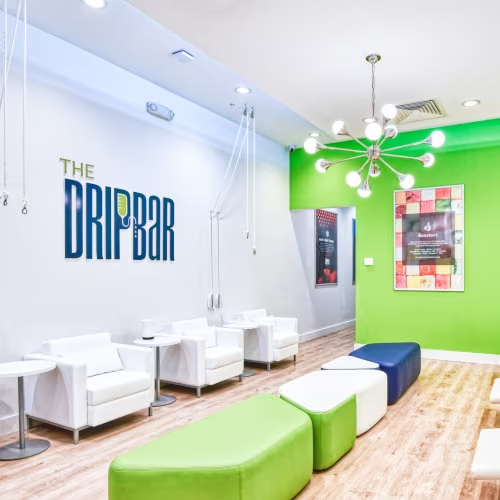

Many guests from Georgetown and nearby neighborhoods visit The DRIPBaR D.C. for a structured approach to stress and nervous system support. The Soother IV drip is often chosen as a calming anchor for recovery days, especially after demanding weeks. Clients appreciate the lounge’s welcoming environment and the expertise of the licensed team. The location’s proximity to landmarks like the Georgetown Public Library makes it a convenient stop for those seeking a wellness reset. This blend of accessibility and personalized care helps make recovery routines more sustainable.
Why Stress Impacts Autoimmune Wellness
Stress can amplify autoimmune symptoms by keeping the body in a heightened state of alert. When the nervous system remains activated, sleep quality drops and muscle tension rises. This ongoing loop can make it harder to recover and maintain daily routines. Many people notice that stress and poor sleep often go hand in hand, leading to increased fatigue and brain fog. Recognizing these patterns is the first step toward building a more resilient wellness plan.
Autoimmune-friendly routines focus on flexibility, not perfection. The aim is to help the body shift back into recovery mode after periods of stress. Simple strategies like hydration, gentle meals, and calming activities can make a significant difference. The Soother drip is positioned as a supportive option, not a cure. It complements lifestyle habits that protect sleep and support nervous system balance.
Building a Calming IV Therapy Routine
A calming IV therapy routine centers on supporting the nervous system’s ability to downshift. The Soother drip, with magnesium and taurine, is designed to encourage relaxation. This approach fits well with recovery day planning for autoimmune wellness.
Nervous System Downshift Support
The autonomic nervous system has two main modes: activation and recovery. Stress keeps the body in activation mode, while recovery mode supports rest and repair. Supporting a smooth transition between these states is key for resilience.
Magnesium and taurine are the core ingredients in the Soother drip, each playing a unique role in wellness routines. Magnesium is known for its involvement in muscle and nerve function, while taurine supports hydration and cellular balance. Together, they form the foundation of a calming IV session that complements other healthy habits.
Clients often report feeling more relaxed or noticing reduced muscle tension after a session. Some experience a sense of calm that carries into their evening routine, making it easier to wind down. Others may not feel immediate changes but notice improvements in sleep or stress response over time. Results vary, and each person’s experience is unique. The focus remains on supportive care, not promises.
Recovery Day Hydration Plan
A recovery day is a low-demand day designed to restore hydration, nutrition, and nervous system balance. Starting with water before caffeine helps set a gentle tone for the day. Protein-forward meals support stable energy and reduce crash cycles. Light movement, such as a short walk, can enhance mood without overtaxing the body. The Soother drip session serves as a structured pause, anchoring the recovery plan. Clients are encouraged to keep activities low-stimulation and prioritize early bedtime. This framework is flexible and can be adapted to individual needs.
After a Soother session, the next 48 hours are an opportunity to reinforce supportive habits. Hydrating steadily, eating balanced meals, and keeping movement gentle can help maintain a calmer baseline. Reducing caffeine late in the day and protecting sleep are also emphasized. These habits work together to break the stress-symptom loop and support ongoing resilience.
Nutrition plays a vital role in nervous system recovery. Protein-rich breakfasts help stabilize energy, while balanced meals with fiber and healthy fats support mood and sleep. Hydration can be boosted through soups, broths, or smoothies when plain water is less appealing. A thoughtful caffeine strategy, such as water before coffee and an afternoon cutoff, protects sleep quality. Alcohol moderation is also recommended, as it can disrupt rest and increase dehydration.
Magnesium and Taurine: Calm-Focused Ingredients
Magnesium is an essential mineral that supports muscle relaxation and nerve function. In wellness routines, it is valued for its role in stress response regulation and energy metabolism. Taurine, an amino acid-like compound, is included for its calming support themes and contribution to hydration and cellular balance. Some Soother menu variations may also contain calcium, which works with magnesium in muscle function. Screening for kidney health and medication interactions is important when considering mineral-based drips. The combination of these ingredients is intended to complement, not replace, lifestyle foundations.
The Soother drip is best positioned as a supportive tool for relaxation and recovery. It is not a care for autoimmune disease or a replacement for prescribed therapies. Clients are encouraged to disclose their health history, medications, and supplements during intake. This ensures the plan remains individualized and safe, especially for those with kidney or blood pressure concerns.
Clients should communicate any discomfort or unusual sensations during their session. Licensed professionals are trained to respond promptly and adjust care as needed. Open communication helps create a safe and supportive environment.
Practical Recovery Day Planning Steps
A successful recovery day often starts with a clear plan and a focus on basics. The Soother IV drip can serve as a practical anchor, helping clients commit to a restful routine. Many find that pairing hydration, nutrition, and gentle movement with a calming session leads to a more balanced day.
Morning routines set the tone for recovery. Drinking water before caffeine, choosing a protein-forward breakfast, and getting light sunlight exposure can help the body shift into a calmer state. Midday is a good time for a Soother session, followed by steady hydration and a gentle lunch. The afternoon is best kept low-stimulation, with light movement if tolerated. Evening routines should focus on reducing screens, lowering lights, and winding down early to protect sleep.
The 48-hour window after a Soother session is a chance to reinforce supportive habits. On the day of the session, clients are encouraged to hydrate, eat balanced meals, and keep movement gentle. Avoiding late caffeine and prioritizing early bedtime can help maintain the benefits of the session. The following day, water before caffeine and a protein-first meal remain important. A short walk after a meal and repeating the wind-down routine can further support nervous system recovery. These steps are not rigid rules but adaptable guidelines for building resilience.
Movement and Breathwork Tools
Breathing exercises and gentle movement are effective tools for nervous system support. Two minutes of slow nasal breathing or longer exhales can help reduce tension. Short walks, stretching, or mobility routines support mood and sleep when done within personal limits. Creating a calm environment with dim lights, soft music, or a warm shower can further signal the body to relax. These small actions, when combined, can make recovery days more restorative.
- Hydration-first habit: Start the day with water before caffeine.
- Protein-forward meal: Choose a breakfast that includes protein for stable energy.
- Structured pause: Use a Soother drip session as a midday anchor.
- Gentle movement: Take a short walk or stretch if tolerated.
- Low-stimulation afternoon: Limit errands and intense activities to protect energy.
- Early wind-down: Lower lights and reduce screens before bedtime.
Minimalist Stacking Principles
Sensitive clients often benefit from minimalist recovery plans. Choosing one anchor service per day, such as a Soother drip, helps track responses and avoid overwhelm. Adding only one new element at a time makes it easier to notice what works. This approach supports safety and personalization.
Common pairings include Soother with hydration-first habits or gentle movement. Some clients combine a calming drip with red light therapy or a short massage for added comfort. The key is to keep routines simple and avoid overstacking supplements or add-ons. This strategy is especially helpful during flare weeks.
During maintenance weeks, Soother can be used as a periodic reset to support sleep consistency and stress management. After travel or busy periods, a recovery day anchored by a calming session helps restore balance. For those in flare weeks, the focus shifts to hydration, gentle nutrition, and rest. The Soother drip is not a cure but a supportive tool within a broader wellness plan. Individual needs and responses should always guide the routine.
When discussing anxiety or sleep, it is important to use supportive language. Stress support, calm routines, and sleep-support habits are the focus, not medical claims. Encouraging professional support for persistent concerns is always recommended.
Common myths include the idea that a calming drip can fix autoimmune disease or that more add-ons mean stronger effects. In reality, daily habits and minimalist plans are most effective. Feeling better after a session often reflects improved hydration and sleep, not changes in disease activity.
Safety and Personalization for Wellness
Many clients from the Book Hill section of Georgetown appreciate the ease of accessing The DRIPBaR D.C. for personalized wellness support. Disclosing health history, medications, and supplements during intake ensures a safe and individualized plan. Licensed professionals review each client’s needs and make recommendations based on current health status. This careful approach helps protect those with kidney, blood pressure, or fluid concerns.
Red flags that require medical evaluation include chest pain, shortness of breath, severe dizziness, or high fever. These symptoms should be addressed by a healthcare provider, not during a wellness visit. Open communication with a licensed provider is essential for safety. Clients are encouraged to alert staff immediately if they feel unwell during a session.
Screening and Intake Essentials
Key items to disclose include autoimmune assessment, kidney function, swelling, blood pressure concerns, and current medications. Sharing supplement use, especially magnesium or electrolyte mixes, helps avoid duplication. Pregnancy, breastfeeding, allergies, and previous infusion reactions should also be mentioned. This information allows the team to tailor the session for maximum safety and comfort.
Clients with complex health needs benefit from a conservative approach. The team at The DRIPBaR D.C. emphasizes minimalist plans and careful screening. This ensures that each session is appropriate and avoids unnecessary risks. Personalization is central to the client experience.
Building a Recovery Day
A recovery day built around Soother includes hydration, protein-forward meals, and gentle movement. Clients are encouraged to keep activities low-stimulation and focus on rest. The session itself serves as a structured pause, anchoring the day’s routine. Aftercare recommendations include steady hydration and early bedtime. The plan is flexible and can be adjusted based on individual needs. Tracking sleep quality and muscle tension helps measure progress. Results vary, and ongoing communication with a licensed provider is encouraged.
The 48-hour stabilization window after a session is a valuable time for reinforcing healthy habits. Clients are advised to hydrate, eat balanced meals, and avoid late caffeine. Light movement and a consistent wind-down routine support nervous system recovery. These steps help maintain the benefits of the session.
Minimalist stacking is especially important for sensitive clients. Listing all magnesium sources and sleep supplements helps you avoid duplication. Avoiding new products for a week and changing one variable at a time supports safety. Tracking sleep and tension for several days provides useful feedback. This approach makes it easier to identify what works best.
Long-Term Nervous System Resilience
A four-week resilience plan can help clients build supportive habits. Week one focuses on hydration, protein-first breakfasts, and a wind-down routine. Week two adds a caffeine cutoff and reduces late-night screens. Week three introduces gentle movement, such as short walks or stretching. Week four encourages reviewing supplements and creating a personalized flare-week plan. Soother can be included as an anchor on high-stress days.
Tracking sleep quality, muscle tension, and afternoon energy helps measure progress. The plan is designed to be adaptable and individualized. Clients are encouraged to adjust routines based on their own needs and responses. Consistency over time supports greater resilience.
Lab testing may be helpful for clients interested in personalizing their recovery plan. Relevant markers include iron, B12, vitamin D, thyroid patterns, and kidney function. Results should be reviewed with a healthcare provider. The blog does not interpret lab results but encourages professional guidance.
Realistic success is defined by improved ability to downshift during stress-heavy weeks, better sleep follow-through, and reduced muscle tension for some individuals. Consistent hydration and nutrition habits help reduce overwhelm and decision fatigue. A repeatable recovery-day template supports ongoing wellness. The most effective plans are minimalist, individualized, and grounded in supportive care. Results vary based on personal health context.
Summary: Stress and nervous system support are foundational for autoimmune wellness. The Soother drip is a calm-focused option that complements hydration, nutrition, and sleep-support routines. Minimalist planning, careful screening, and individualized care are key. The goal is to help clients build resilience and maintain a calmer baseline.
Next Steps for Personalized Recovery
If you are considering a calming IV routine, start by reviewing your current habits and wellness goals. Bring your medication and supplement list to your session for a personalized intake. Discuss any health concerns or sensitivities with a licensed provider. A thoughtful, minimalist plan can help you get the most from your recovery day.
The Soother IV drip is one of several supportive options at The DRIPBaR D.C. Clients are encouraged to use it as part of a broader wellness plan that includes hydration, nutrition, and rest. Each person’s needs are unique, and results may vary. Building a routine that fits your lifestyle is the best way to support ongoing resilience.
Soft Consultation Invitation
If you have questions about recovery routines or calming IV options, consider reaching out for a no-obligation conversation. The team at The DRIPBaR D.C. is available to discuss your goals and help determine if a session is a good fit. Personalized guidance can make your wellness journey smoother.
A single conversation can clarify your options and address basic questions. There is no pressure to commit. The focus is on helping you make informed choices about your wellness plan.
Direct Booking Encouragement
Ready to prioritize your recovery? Booking a session is simple and can be done online in just a few steps. Completing your booking now ensures you secure your preferred time. Take the next step toward a calmer, more balanced routine.
The DRIPBaR D.C. team is dedicated to providing a safe, welcoming experience. Licensed professionals guide you through each step, from intake to aftercare. Your comfort and well-being are the top priorities. Book your session today to experience supportive care firsthand.
A personalized recovery plan can help you navigate stress-heavy weeks and maintain a calmer baseline. The right combination of hydration, nutrition, movement, and supportive care makes a difference. Start building your routine with guidance from experienced professionals.
Thank you for considering The DRIPBaR D.C. for your wellness needs. Your journey toward resilience and balance begins with small, intentional steps. We look forward to supporting you along the way.
Explore Stress Support and Recovery Options
Stress and nervous system support are essential for those managing autoimmune wellness. The DRIPBaR D.C. offers a calm, welcoming environment where clients can explore supportive options like the Soother IV drip. Every journey is unique, and our team is here to help you find the right fit for your needs.
How does improved sleep quality contribute to overall wellness?
Better sleep quality supports energy, mood, and immune function. It may help reduce fatigue and improve the body’s ability to recover from stress. Consistent sleep routines can enhance daily performance. Prioritizing rest is a key part of a balanced wellness plan.