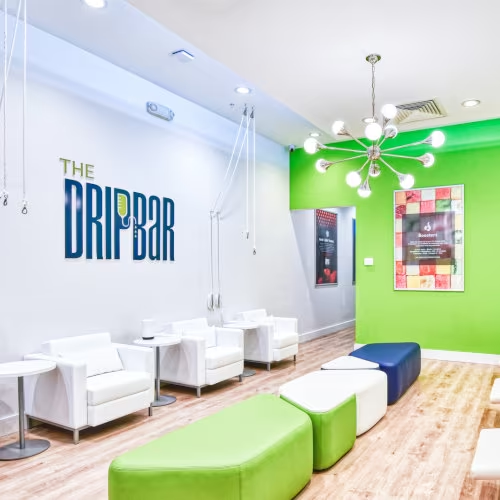

If you live or work near Georgetown, you may have noticed more people talking about IV therapy and performance nutrients. At The DRIPBaR D.C., we see clients from all over the area who want to learn about taurine vs L-carnitine and how these nutrients can complement their wellness plans. Whether you are training for an event, managing a demanding job, or just looking to feel more balanced, understanding the difference between these two can help you avoid common misconceptions. We’ll explore the practical benefits, safety considerations, and how each nutrient fits into a broader approach to energy and recovery. This guide is designed to help you make sense of your options and feel confident about your next steps.
Understanding cellular energy support
When people mention wanting more energy, they often mean different things. Sometimes it is about feeling more alert, while other times it is about lasting stamina or better workout recovery. Taurine and L-carnitine both play roles in supporting cellular energy, but they target different systems. Taurine is known for helping regulate cellular hydration and stability, which can influence muscle function and how you feel during exercise. L-carnitine, on the other hand, is involved in transporting fats into mitochondria, supporting the body’s ability to use fat as fuel. By understanding these differences, you can better match your supplement choices to your specific needs and goals.
Taurine benefits and cellular stability
Taurine is a unique amino acid-like compound found in high concentrations in muscles, the heart, and the brain. Unlike most amino acids, it is not used to build proteins but instead helps regulate cell volume, hydration, and signaling. This makes taurine especially important for athletes and anyone experiencing physical or mental stress. It is often discussed for its role in supporting muscle function, stabilizing nerve signals, and protecting cells from oxidative stress. Many people find that taurine helps them maintain a steady performance during repeated efforts or in hot, sweaty conditions. Its ability to support cellular hydration is a key reason it appears in many endurance and recovery routines.
How taurine supports muscle performance
Muscle performance depends on stable electrical signals and proper calcium handling within cells. Taurine is thought to help maintain this stability, which can be especially important during intense or repeated exercise. By supporting cellular hydration and membrane function, taurine may help muscles contract more efficiently and recover. Some people notice a smoother workout experience or less muscle tightness when using taurine strategically. However, individual responses can vary, so it is best to track your own results over time.
Taurine’s impact on perceived exertion is often subtle. Some users report feeling less fatigued or more focused during workouts. Others may not notice a significant change. Tracking your sessions can help you determine if taurine makes a difference for you.
In addition to muscle support, taurine is involved in regulating electrolyte balance and protecting against oxidative stress. It helps stabilize blood pressure and supports the nervous system during periods of strain. This makes it a valuable nutrient for those facing high training loads, heat, or recovery challenges. Taurine’s antioxidant properties also contribute to its reputation as a recovery aid. By supporting cellular resilience, it can play a role in overall wellness and performance.
L-carnitine benefits for endurance
L-carnitine is best known for its role in transporting fatty acids into mitochondria. This process allows your body to use fat as a fuel source, which is especially important during endurance activities. Athletes often look to L-carnitine for support with stamina and metabolic flexibility.
One key detail is that increasing muscle carnitine levels typically requires consistent supplementation over time. Quick results are less common, and pairing L-carnitine with carbohydrates may help with uptake. This makes it more of a long-term strategy than a quick fix.
L-carnitine is also discussed for its role in recovery and supporting mitochondrial efficiency. Some people notice improved endurance or faster bounce-back after long sessions. As with taurine, individual results can vary based on diet, training, and routine.
Comparing taurine and carnitine mechanisms
Taurine supports cellular stability, hydration, and signaling. L-carnitine focuses on fuel transport and energy metabolism. Both can be relevant, but they address different needs.
Think of taurine as helping to keep your cells stable and hydrated, especially under stress or heat. L-carnitine acts more like a fuel logistics manager, moving fats into the mitochondria for energy. Choosing between them depends on your main performance goals and where you feel your biggest bottlenecks are.
Some people benefit from using both nutrients, but it is usually best to introduce one change at a time. This approach helps you track what actually makes a difference. Overstacking supplements can make it hard to know what is working and may increase the risk of side effects.
Real-world stamina and recovery support
When comparing taurine vs L-carnitine, it is important to consider your personal goals and routine. Taurine is often chosen by those who want hydration support, muscle stability, or a sense of calm focus. L-carnitine is more popular among endurance athletes or those interested in fat oxidation and mitochondrial energy metabolism. Both nutrients can play a role in supporting stamina, but their effects depend on your training, diet, and consistency.
Some people notice a difference in recovery time or perceived exertion after adding one of these nutrients. Others may find the changes more subtle. Tracking your response over several weeks can help clarify what works best for you.
Choosing the right supplement for your needs
If you are training in hot conditions or dealing with high sweat rates, taurine may offer more noticeable support. For those focused on endurance or metabolic flexibility, L-carnitine could be a better fit. It is important to match your supplement choice to your main challenges, whether that is hydration, fuel utilization, or recovery.
Combining taurine and L-carnitine is possible, but start with one and track your results. This helps avoid confusion and unnecessary stacking. Remember, hydration, nutrition, and sleep are the foundation of any effective performance plan.
Label basics and supplement forms
Taurine is usually listed simply as taurine on supplement labels. It often appears in blends, so check serving sizes and ingredient lists for clarity.
L-carnitine comes in several forms, such as L-carnitine base, L-carnitine L-tartrate, and acetyl-L-carnitine. Each form is discussed for different wellness goals, so read labels carefully to understand what you are getting.
Some products list the total compound weight rather than the pure carnitine content. Comparing labels can help you make informed choices. If you are already using multiple performance supplements, check for overlap to avoid unintentional stacking.
Energy drinks often contain taurine, but the stimulating effect is usually from caffeine. Taurine is not a stimulant and is more often discussed for hydration and stability support. Always check the full ingredient list to understand what you are consuming.
Safety, side effects, and smart planning
Both taurine and L-carnitine are generally well tolerated in healthy adults. Some people may experience mild digestive discomfort or, in rare cases, a fishy odor with L-carnitine.
If you have a history of cardiovascular issues, kidney disease, or take medications that affect blood pressure or thyroid function, consult a licensed professional before adding these nutrients. Pregnant or breastfeeding individuals should also seek guidance. Persistent fatigue, chest pain, or severe symptoms require medical evaluation, not just supplement changes.
Introducing one new supplement at a time and tracking your response can help you identify what truly supports your goals. Avoid making multiple changes at once, as this can make it difficult to know what is effective. Prioritize foundational habits like hydration, nutrition, and rest.
IV therapy at The DRIPBaR D.C. offers a supervised way to receive taurine and L-carnitine as part of a broader wellness plan. IV delivery bypasses digestion and may be helpful for those who struggle with daily supplement routines. Oral supplements remain a practical option for ongoing support.
IV therapy is meant to complement, not replace, healthy habits. Focus on sleep, balanced meals, and recovery routines for the best results.
Routine planning for energy and recovery
Many clients from Georgetown and nearby neighborhoods visit The DRIPBaR D.C. for support with hydration, stamina, and recovery. Our team helps you identify whether taurine, L-carnitine, or a combination fits your goals. We recommend starting with one change at a time and tracking your response for a few weeks.
For those training in heat or high-volume blocks, taurine may be prioritized for hydration and muscle stability. Endurance athletes often focus on L-carnitine for metabolic flexibility and stamina support. Busy professionals may benefit from a balanced approach that includes both nutrients as needed.
If you are unsure where to start, consider auditing your current supplements and routines. Choose one main variable to adjust, such as adding taurine or L-carnitine, and keep other factors stable. This makes it easier to track changes in energy, recovery, and overall well-being.
Pre- and post-session tips
Before an IV session, hydrate well and eat a light meal to reduce lightheadedness. Bring a list of your current supplements to discuss with your wellness specialist. Knowing your main goal can help tailor your experience. Goals like hydration, recovery, stamina, or mental clarity.
After your session, continue hydrating and prioritize a balanced meal. Avoid making multiple supplement changes on the same day to help track your response.
Common myths and misconceptions
Taurine and L-carnitine do not serve the same function. Taurine is not a stimulant, and carnitine is not a guaranteed fat burner.
Taking both nutrients does not replace the basics of hydration, nutrition, and sleep. More ingredients do not always equal better results.
Simple, trackable routines are usually more effective than stacking multiple supplements at once. Focus on foundational habits and introduce changes gradually for the best outcomes.
Summary points
Taurine and L-carnitine are both popular for performance support, but they have distinct roles. Taurine is most often used for cellular stability and hydration, while L-carnitine is linked to fuel handling and stamina.
Results vary based on individual factors like training, diet, and routine. A simple, trackable plan that prioritizes foundational habits is usually most effective.
Comparing cellular energy support supplements
When choosing between taurine and L-carnitine, consider your main performance challenges. Are you struggling with hydration, muscle fatigue, or endurance? Matching your supplement to your needs can help you see more relevant benefits.
The taurine vs L-carnitine conversation is not about which is universally better, but about which fits your goals and routine. Both can play a role in supporting energy, stamina, and recovery, depending on your unique situation.
Fat oxidation support and mitochondrial energy metabolism
L-carnitine is often highlighted for its role in fat oxidation and supporting mitochondrial energy metabolism. This makes it a popular choice for endurance athletes and those looking to improve metabolic flexibility. Results can depend on consistency and pairing with proper nutrition.
Taurine, while not directly involved in fat transport, supports cellular hydration and stability. This can indirectly influence performance, especially in hot or high-stress conditions. Both nutrients may complement each other in a well-rounded routine.
- Hydration support: Taurine helps regulate cellular water balance.
- Fat metabolism: L-carnitine transports fatty acids into mitochondria.
- Muscle recovery: Both nutrients are discussed for recovery support.
- Routine planning: Start with one change and track your response.
Taurine vs carnitine for endurance
Endurance depends on many factors, including hydration, nutrition, and recovery. Taurine is often chosen for its role in maintaining cellular stability and muscle function during long or hot sessions. L-carnitine is discussed for supporting fat oxidation and stamina over extended efforts. Both can be part of an endurance plan, but results vary based on individual needs and routines.
Some athletes combine taurine and L-carnitine, but it is usually best to introduce one at a time. This helps you track what actually supports your performance. Remember, foundational habits like hydration, balanced meals, and sleep are the most important factors for endurance and recovery. Supplements can play a supporting role, but they are not a substitute for the basics.
If you are considering adding a new supplement, consult with a wellness specialist to discuss your goals and current routine. Bring a list of your current products to avoid unnecessary stacking. Tracking your response over several weeks can help you make informed decisions about what works best for you.
Both taurine and L-carnitine have a place in performance and recovery routines, but they are not interchangeable. Each supports different systems and may be more relevant depending on your challenges. Focus on simple, trackable changes and prioritize foundational wellness habits for the best results.
Ready to explore your options? Schedule a visit at The DRIPBaR D.C. to discuss your goals and learn more about tailored IV therapy solutions.
Next steps for your wellness journey
Choosing the right performance support is about understanding your needs and building a routine that fits your life. Taurine and L-carnitine each offer unique benefits, but their impact depends on your habits, training, and consistency. Start with one change, track your response, and focus on foundational wellness for the best results.
If you are interested in learning more about how these nutrients fit into a broader wellness plan, our team at The DRIPBaR D.C. is here to help. We offer guidance on IV therapy, supplement routines, and practical strategies for energy and recovery. Reach out to schedule a consultation or stop by our Georgetown location to get started.
Additional Related Resources
For a deeper look at the role of protein and fueling habits for performance support, the Harvard T.H. Chan School of Public Health provides a helpful overview. This resource explains why balanced nutrition is essential for recovery and how it ties into the benefits of taurine and carnitine. Learn more by visiting their page on protein and fueling habits for performance support.
If you want to understand more about L-carnitine benefits and safety basics, Memorial Sloan Kettering Cancer Center offers an evidence-based review. This page covers carnitine’s role in energy metabolism, potential side effects, and practical safety tips for supplement use. Explore their resource at L-carnitine benefits and safety basics.