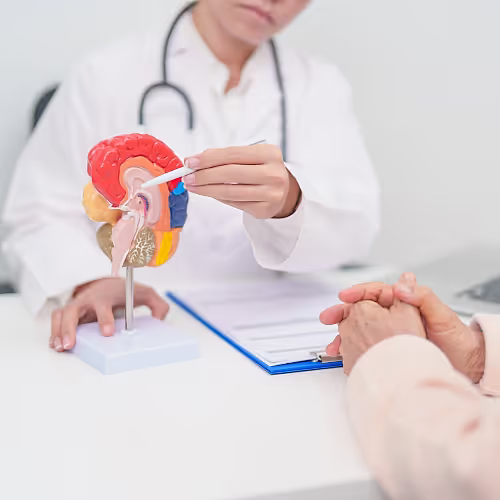

Are memory changes disrupting daily life?
Memory lapses and confusion can make everyday tasks challenging. Symptoms may progress differently for each person, so ongoing support is important. Recognizing early changes helps guide practical steps for care.
Support Brain Health and Cognitive Clarity
Personalized support options.
The DRIPBaR offers supportive therapies designed to help maintain brain health and cognitive function for those facing memory changes. Our approach focuses on targeted nutrients and hydration to promote neurological resilience and address factors like oxidative stress. Regular sessions may help reduce mental fatigue and support overall well-being in adults experiencing cognitive decline. These services are tailored to complement existing care plans and can be adjusted as needs change.
At The DRIPBaR D.C., our team works with you to create a supportive environment for both individuals and caregivers. We offer flexible scheduling and ongoing guidance to help you navigate the challenges of Alzheimer’s & Dementia. If you are seeking proactive strategies for memory support, book your appointment today to explore your options.
Did you know?
Alzheimer’s accounts for up to 80% of dementia cases and often begins with subtle memory changes.
Understanding Alzheimer's & Dementia
Over time, Alzheimer’s & Dementia lead to a gradual decline in memory, thinking, and behavior. These conditions are marked by changes in brain structure, including the buildup of abnormal proteins that disrupt communication between nerve cells. As neurons become damaged, individuals may notice increasing difficulty with daily tasks and decision-making. The progression varies, but the impact on independence and quality of life is significant.
Common triggers include advancing age, genetics, and underlying health issues like cardiovascular disease or diabetes. Management focuses on early recognition, supportive therapies, and lifestyle adjustments such as mental stimulation and social engagement. While no cure exists, combining medical care with proactive strategies can help support overall well-being.
Symptoms of Alzheimer's & Dementia
Early symptoms of Alzheimer’s & Dementia often include mild forgetfulness, trouble recalling recent events, and difficulty finding words. These changes may be subtle at first, making it easy to attribute them to normal aging. Over time, individuals may experience increased confusion, trouble following conversations, and challenges with organizing daily activities. Recognizing these early signs can help families seek timely support.
As the condition progresses, symptoms can expand to include disorientation, impaired judgment, and difficulty recognizing familiar people or places. Behavioral changes such as irritability, anxiety, or withdrawal are also common. Some may develop language difficulties, making communication more challenging. These changes often require adjustments in routines and additional support.
In advanced stages, individuals may lose the ability to perform basic self-care tasks and become fully dependent on others. Severe memory loss, personality shifts, and physical decline can occur. Caregivers may notice increased agitation or sleep disturbances. Continuous care and a supportive environment become essential for safety and comfort.
Traditional Treatments
Conventional care for Alzheimer's & Dementia typically involves a combination of medications, behavioral therapies, and supportive care. Medications such as cholinesterase inhibitors or memantine may help manage cognitive symptoms and slow progression for some individuals. Behavioral therapies and environmental modifications are used to support independence and address mood or behavioral changes. Lifestyle interventions, including a brain-healthy diet, regular exercise, and social engagement, play an important role in overall management. Supportive care also addresses related concerns like sleep disturbances, depression, and caregiver stress. Regular monitoring helps adjust care plans as needs change. While there is no simple answer, a multidisciplinary approach can help optimize quality of life and maintain function for as long as possible.
How IV Therapy May Help
Unlike traditional treatments that focus on symptom management, IV nutrient therapy at The DRIPBaR offers a supportive approach by delivering targeted nutrients directly into the bloodstream. This method can help address factors like oxidative stress, support mitochondrial function, and promote hydration, all of which are important for brain health. Sessions are tailored to individual needs and may complement existing care routines. The process is overseen by licensed providers to ensure safety and comfort. Clients may notice benefits such as improved energy, reduced cognitive fatigue, and enhanced overall well-being over time. While results vary, regular IV therapy can be part of a broader strategy to support cognitive function and quality of life. Our services are designed to adapt as needs evolve, providing ongoing support for both individuals and caregivers.
Nutrient Support for Cognitive Health
Specialized nutrient infusions can help support brain function and address factors linked to cognitive decline. These offerings are designed to complement traditional care and promote neurological resilience. Regular sessions may help maintain mental clarity and overall well-being.
NAD+
Nicotinamide Adenine Dinucleotide (NAD) is a vital coenzyme involved in energy production and DNA repair. Its levels decline with age and stress, impacting cellular function and mental clarity. This intravenous therapy replenishes NAD+ directly into the bloodstream for rapid absorption. It supports mitochondrial health, neurological performance, and oxidative balance. Regular infusions may help improve energy, focus, and resilience. This approach offers a science-based option for those seeking metabolic and cognitive support. It is administered by licensed providers in a comfortable clinical setting.
Read moreNicotinamide Riboside (NR)
Nicotinamide Riboside (NR) is a vitamin B3 derivative delivered intravenously to replenish NAD+, a key coenzyme for energy production and DNA repair. This therapy supports mitochondrial health and enhances mental focus by improving neuronal metabolism. It also aids in reducing oxidative stress, contributing to cellular resilience. The rapid absorption via IV allows for efficient utilization in high-energy tissues. This treatment is designed to support overall metabolic balance and promote healthy aging without digestive barriers.
Read more
Ready to Get Started?
Feel your best with a treatment designed to support your goals! Whether you’re looking for hydration, energy, immune support, recovery, or overall wellness, our team will help you choose the right option and make sure your experience is comfortable from start to finish. Click the Book Appointment button below to pick your reserve a time that fits your schedule.
Creating a weekly self-care checklist for Alzheimer's & Dementia?
A weekly self-care checklist can help individuals and caregivers manage routines and track changes. Including activities like exercise, mental stimulation, and social interaction supports cognitive health. Regular hydration and balanced nutrition are also important. Adjusting the checklist as needs change ensures ongoing support.
How to pair Alzheimer's & Dementia support with healthy nutrition for better outcomes?
Combining supportive therapies with a brain-healthy diet may enhance overall results. Nutrient-rich foods provide antioxidants and support energy metabolism, which are important for brain function. Regular meals and hydration can help maintain strength and cognitive clarity. Working with a licensed provider ensures a balanced approach.
Tracking progress to see the effects of Alzheimer's & Dementia support?
Tracking changes in memory, mood, and daily function helps evaluate the impact of supportive therapies. Keeping a journal or checklist can highlight improvements or new challenges. Regular check-ins with care providers ensure that strategies remain effective. Adjustments can be made as needs evolve.