
Can you manage liver fatigue?
Persistent tiredness can make daily life challenging for those with chronic liver disease. This fatigue often results from the liver’s reduced ability to filter toxins and store nutrients. Addressing these issues requires a combination of medical care, lifestyle changes, and targeted support.
Support Liver Health and Boost Energy
Personalized IV nutrient support.
IV nutrient therapy offers targeted support for those living with chronic liver disease by helping replenish essential vitamins and antioxidants. These infusions can aid in reducing oxidative stress, supporting detoxification, and promoting cellular repair. Many individuals find that regular IV therapy helps manage fatigue and supports overall well-being. While not a cure, this approach can complement standard medical care and lifestyle changes.
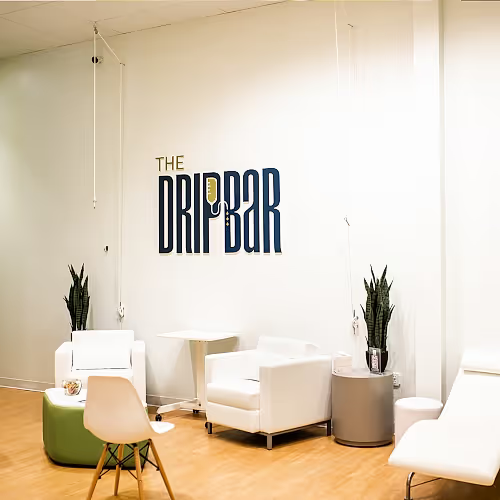
The DRIPBaR D.C. provides IV therapy options tailored to the needs of clients with chronic liver disease. Our team works with you to develop a regimen that fits your health goals and supports your body’s natural functions. Each session is administered by licensed providers in a comfortable environment. Book your appointment today to explore how IV nutrient support can help you feel your best.
Did you know?
Chronic liver disease can progress silently for years before symptoms like fatigue and swelling appear.
Understanding Chronic Liver Disease
Chronic liver disease is a gradual loss of liver function that develops over months or years, often due to ongoing injury from conditions like viral hepatitis, alcohol use, or fatty liver disease. The liver’s role in detoxifying harmful substances, storing nutrients, and supporting metabolism makes its health vital for the entire body. As the disease progresses, the liver’s ability to filter toxins and produce essential proteins declines, leading to a range of symptoms. Individual experiences can vary, and ongoing monitoring is important for effective management.
Common triggers include viral infections, excessive alcohol consumption, metabolic disorders, and autoimmune conditions. Managing chronic liver disease involves addressing these underlying causes, making lifestyle changes, and working closely with healthcare providers. Early intervention and consistent care can help reduce complications. Supportive therapies may also play a role in maintaining quality of life.
Symptoms of Chronic Liver Disease
Symptoms of chronic liver disease often develop slowly and may go unnoticed in the early stages. Fatigue is one of the most common complaints, as the liver’s reduced function affects energy levels. Other early signs can include mild abdominal discomfort, loss of appetite, or subtle changes in mood. As the condition advances, symptoms tend to become more noticeable and persistent.
Jaundice, or yellowing of the skin and eyes, may appear as liver function worsens. Swelling in the legs or abdomen, known as edema and ascites, can also develop. People might experience nausea, frequent bruising, or unexplained weight loss. Cognitive changes, such as confusion or difficulty concentrating, may occur due to toxin buildup in the bloodstream.
Over time, chronic liver disease can lead to complications like cirrhosis or liver failure. Immune function may decline, increasing the risk of infections. Malnutrition is another concern, as the liver’s ability to process and store nutrients diminishes. Regular monitoring and early symptom recognition are key to managing the condition effectively.
Traditional Treatments
Conventional care for chronic liver disease focuses on addressing the underlying cause, such as antiviral medications for hepatitis or lifestyle changes for fatty liver disease. Managing alcohol intake, maintaining a healthy weight, and controlling blood sugar are important steps for many individuals. Licensed providers and healthcare providers may recommend medications to reduce inflammation or manage complications as needed. Supportive care often includes monitoring for signs of progression and managing symptoms like fatigue, swelling, or cognitive changes. Nutritional support and regular check-ups help maintain overall health. In advanced cases, more intensive interventions, such as procedures to manage fluid buildup or liver transplantation, may be considered. Each care plan is tailored to the individual’s needs and stage of disease.
How IV Therapy May Help
IV therapy at The DRIPBaR is designed to deliver essential nutrients and antioxidants directly into the bloodstream, supporting liver function and overall wellness. This method allows for controlled dosing and immediate absorption, which may help reduce oxidative stress and promote cellular repair. Each session is overseen by licensed providers to ensure safety and comfort. Individual responses can vary, and IV therapy is intended to complement, not replace, standard medical care. Our approach emphasizes a supportive environment and personalized care plans for those living with chronic liver disease. By replenishing key nutrients and supporting detoxification pathways, IV therapy may help manage fatigue and improve quality of life. Environmental factors, lifestyle choices, and medical history all play a role in outcomes. Regular communication with your healthcare provider is encouraged to ensure the best results.
Nutrient Support for Liver Wellness
Specialized IV therapies can help replenish antioxidants and nutrients that support liver health. These offerings are designed to aid detoxification and reduce oxidative stress. Regular sessions may contribute to improved energy and overall well-being.
Alpha Lipoic Acid (ALA)
Alpha Lipoic Acid (ALA) IV therapy provides a powerful antioxidant that supports cellular energy production and metabolic balance. Delivered intravenously, it bypasses the digestive system for rapid absorption and enhanced effectiveness. This therapy helps neutralize oxidative stress and supports nerve and tissue health. It is designed to improve vitality and assist in detoxification processes. Individual responses vary, so personalized care is important. This treatment can be a valuable addition to a wellness routine focused on energy and metabolic support.
Glutathione
Glutathione
Glutathione is a powerful antioxidant delivered intravenously to provide immediate support for cellular repair and detoxification. This therapy helps reduce oxidative stress, supports immune resilience, and promotes healthier skin. By replenishing glutathione levels directly, it bypasses digestive limitations and offers efficient systemic benefits. The infusion is suitable for those seeking to enhance energy, mental clarity, and overall wellness. Regular treatments may support long-term vitality and recovery from environmental stressors.
Heavy Metal Detox
Heavy Metal Detox is formulated to assist the body in eliminating toxins while supporting cellular health and energy production. Key ingredients such as Vitamin C, Taurine, and Magnesium help reduce oxidative stress and promote mental clarity. This drip also supports immune function and vascular health. It is suitable for individuals seeking to improve their overall wellness and maintain balanced energy levels. Regular use may contribute to sustained vitality and resilience. The formula is delivered by licensed providers in a calming environment. This service complements a proactive wellness routine.
Read moreTime Machine
Time Machine delivers targeted nutrients such as Ascorbic Acid, Taurine, and Magnesium to support cellular repair and energy production. This infusion helps reduce fatigue and enhances mental clarity by replenishing essential cofactors. It also promotes antioxidant defense and collagen synthesis to support skin and vascular health. Suitable for individuals seeking to improve vitality and overall wellness, this treatment offers a comprehensive approach to rejuvenation. Effects may vary and professional guidance is recommended.
Read more
Ready to Get Started?
Feel your best with a treatment designed to support your goals! Whether you’re looking for hydration, energy, immune support, recovery, or overall wellness, our team will help you choose the right option and make sure your experience is comfortable from start to finish. Click the Book Appointment button below to pick your reserve a time that fits your schedule.