
Struggling with daily fatigue and stiffness?
Managing Parkinson’s symptoms can feel overwhelming compared to other health challenges. Fatigue and muscle stiffness may disrupt your daily routine and lower your energy. Nutrient-based support, such as magnesium, can help ease muscle tension.
Support for Energy and Mental Clarity
Targeted IV nutrient support.
Living with Parkinson’s Disease often means facing ongoing fatigue, muscle rigidity, and changes in mental clarity. The DRIPBaR offers IV therapies designed to deliver nutrients that may help reduce oxidative stress and support neurological function. These infusions can complement your current care plan by providing hydration and antioxidants directly to your system. Many clients find this approach helps them feel more balanced and resilient day to day.
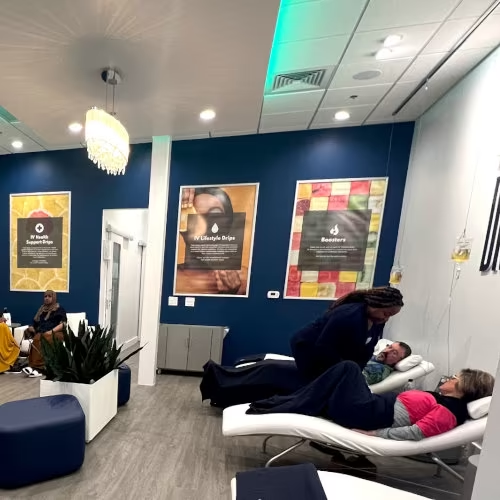
At The DRIPBaR D.C., our team works with you to create a supportive environment focused on your unique needs. Sessions are overseen by licensed providers to ensure safety and comfort throughout your visit. We encourage you to explore how IV nutrient therapy may fit alongside your existing treatments. Book your appointment today to discover supportive options for managing Parkinson’s symptoms.
Did you know?
Parkinson’s Disease affects both movement and non-motor functions, including mood, sleep, and energy levels.
Understanding Parkinson's Disease
Parkinson’s Disease is a progressive neurological disorder that primarily affects movement due to the gradual loss of dopamine-producing neurons in the brain. This loss leads to symptoms such as tremors, muscle rigidity, slowed movement, and balance difficulties. Over time, non-motor symptoms like fatigue, depression, and cognitive changes may also develop. The condition is complex, with both genetic and environmental factors believed to play a role.
Triggers for symptom progression can include oxidative stress, mitochondrial dysfunction, and certain environmental exposures. Managing Parkinson’s involves a combination of medication, physical therapy, and lifestyle adjustments. Early intervention and consistent care can help maintain independence and quality of life. Supportive therapies, including targeted nutrition, may also play a role in overall well-being.
Symptoms of Parkinson's Disease
If you are living with Parkinson’s Disease, you may notice tremors, muscle stiffness, and slowness of movement as some of the earliest symptoms. These changes can make daily tasks more challenging and may affect your ability to maintain your usual routines. Balance issues and postural instability often develop as the condition progresses, increasing the risk of falls. Some people also experience changes in facial expression or difficulty with fine motor skills.
Non-motor symptoms are also common and can include fatigue, depression, anxiety, and sleep disturbances. These issues may not be as visible as movement problems but can have a significant impact on quality of life. Cognitive changes, such as difficulty with memory or concentration, may appear over time. Digestive issues like constipation are frequently reported as well.
Symptoms can vary from person to person and may change as the disease advances. Some individuals experience fluctuations in their symptoms throughout the day, especially in response to medication timing. Tracking these changes can help guide adjustments in care and support. Early recognition and proactive management are important for maintaining function and well-being.
Traditional Treatments
When Parkinson's Disease is identified, treatment usually begins with medications that help replace or mimic dopamine in the brain. Levodopa is the most commonly prescribed drug, often combined with other medications like dopamine agonists or MAO-B inhibitors to manage symptoms. These treatments can help improve movement and reduce tremors, but their effectiveness may change over time. Adjustments to medication regimens are often needed as the disease progresses. Physical therapy, occupational therapy, and regular exercise are important components of care, helping to maintain mobility, balance, and independence. Speech therapy may be recommended for those with voice or swallowing difficulties. Supportive therapies, such as counseling or nutritional support, can address non-motor symptoms like depression or fatigue. Ongoing monitoring by healthcare providers ensures that treatment remains tailored to each individual's needs.
How IV Therapy May Help
Are you searching for additional ways to manage fatigue and support your energy levels? IV nutrient therapy at The DRIPBaR offers a targeted approach, delivering vitamins, minerals, and antioxidants directly into your bloodstream. This method allows for controlled dosing and may help address oxidative stress, support mitochondrial function, and promote neurological health. Many people appreciate the convenience and comfort of sessions overseen by licensed providers in a supportive setting. Our services are designed to complement your existing care plan, not replace it. By focusing on hydration, antioxidant support, and consistent nutrient delivery, IV therapy can be a valuable part of your overall wellness strategy. We work with you to understand your goals and help you feel more balanced in daily life. Discover how this integrative approach may support your journey with Parkinson's Disease.
Nutrient Support for Neurological Wellness
Certain IV therapies provide antioxidants and nutrients that may help reduce oxidative stress and support nerve health. These offerings are designed to complement traditional approaches by targeting energy production and cellular repair. Many clients find this added support helps with fatigue and mental clarity.
Alpha Lipoic Acid (ALA)
Alpha Lipoic Acid (ALA) IV therapy provides a powerful antioxidant that supports cellular energy production and metabolic balance. Delivered intravenously, it bypasses the digestive system for rapid absorption and enhanced effectiveness. This therapy helps neutralize oxidative stress and supports nerve and tissue health. It is designed to improve vitality and assist in detoxification processes. Individual responses vary, so personalized care is important. This treatment can be a valuable addition to a wellness routine focused on energy and metabolic support.
NAD+
Nicotinamide Adenine Dinucleotide (NAD) is a vital coenzyme involved in energy production and DNA repair. Its levels decline with age and stress, impacting cellular function and mental clarity. This intravenous therapy replenishes NAD+ directly into the bloodstream for rapid absorption. It supports mitochondrial health, neurological performance, and oxidative balance. Regular infusions may help improve energy, focus, and resilience. This approach offers a science-based option for those seeking metabolic and cognitive support. It is administered by licensed providers in a comfortable clinical setting.
Read moreTime Machine
Time Machine delivers targeted nutrients such as Ascorbic Acid, Taurine, and Magnesium to support cellular repair and energy production. This infusion helps reduce fatigue and enhances mental clarity by replenishing essential cofactors. It also promotes antioxidant defense and collagen synthesis to support skin and vascular health. Suitable for individuals seeking to improve vitality and overall wellness, this treatment offers a comprehensive approach to rejuvenation. Effects may vary and professional guidance is recommended.
Read more
Ready to Get Started?
Feel your best with a treatment designed to support your goals! Whether you’re looking for hydration, energy, immune support, recovery, or overall wellness, our team will help you choose the right option and make sure your experience is comfortable from start to finish. Click the Book Appointment button below to pick your reserve a time that fits your schedule.
What should I do after a Parkinson's Disease session?
After a session, it’s important to rest and stay hydrated to support recovery. Avoid strenuous activities for the remainder of the day. Monitor how you feel and note any changes in symptoms. Contact your care provider if you have concerns or questions.