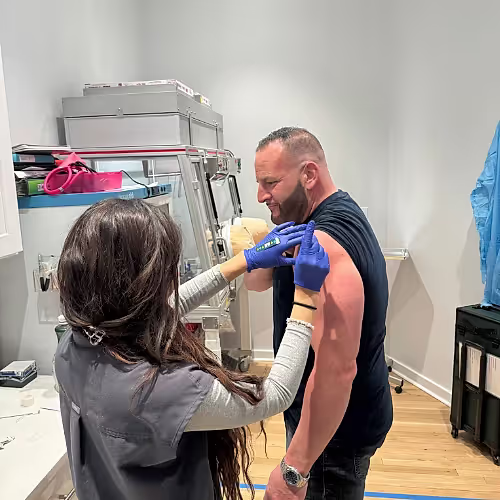

Struggling with post-surgery fatigue?
Many people experience ongoing tiredness after gastric surgery. This fatigue can make daily tasks more difficult and slow down recovery. Nutrient absorption changes and hydration challenges are common factors.
Support Recovery and Restore Vitality
Personalized recovery support.
Recovering from gastric surgery often involves managing nutrient deficiencies and supporting tissue repair. The DRIPBaR offers targeted IV therapies that deliver hydration, vitamins, and minerals directly into your bloodstream, bypassing digestive limitations. This approach can help restore energy, improve immune function, and promote faster wound repair. By addressing common post-surgical challenges, clients may experience a smoother and more comfortable recovery.
At The DRIPBaR D.C., clients receive care designed to replenish nutrients and support overall wellness after gastric procedures. Our team focuses on helping you regain strength and maintain hydration during your recovery journey. With tailored IV protocols, you can address symptoms like fatigue and dizziness more effectively. Book your appointment today to take the next step toward feeling your best.
Did you know?
Gastric surgery often results in vitamin and mineral deficiencies that may require lifelong nutritional support.
Understanding Gastric Surgery Recovery
After gastric surgery, the body’s ability to absorb nutrients changes, often leading to deficiencies in key vitamins and minerals. These procedures, such as gastric bypass or sleeve gastrectomy, are designed to help with weight loss but can also impact digestion and overall health. Reduced stomach size or bypassed intestinal sections mean less surface area for nutrient absorption. As a result, patients may need to pay closer attention to hydration and nutrition.
Common triggers for complications include poor dietary intake, intolerance to oral supplements, and dehydration. Responsible management involves regular monitoring of bloodwork, lifelong supplementation, and adapting eating habits. Staying hydrated and choosing nutrient-rich foods can help minimize symptoms. Ongoing support from healthcare providers is essential for long-term wellness.
Common Symptoms of Poor Recovery
Symptoms after gastric surgery can vary, but fatigue is one of the most common complaints. Many people also notice dizziness, especially when standing up quickly, due to changes in blood pressure and hydration. Digestive disturbances, such as nausea or diarrhea, may occur as the body adapts to a new way of processing food. Hair thinning and muscle weakness can develop over time if nutrient intake is not carefully managed.
Some individuals experience persistent feelings of low energy, making it harder to return to normal routines. Wound repair may be slower, and there is an increased risk of infections if the immune system is weakened. Anemia, caused by deficiencies in iron or vitamin B12, can contribute to ongoing tiredness and shortness of breath. Bone health may also be affected if calcium and vitamin D levels drop.
Symptoms can fluctuate based on diet, hydration, and adherence to supplementation. Early recognition and intervention are important to help avoid complications. Regular follow-up with healthcare providers helps ensure that deficiencies are addressed promptly. With proper support, many symptoms can be managed or improved over time.
Traditional Treatments
Standard treatment after gastric surgery focuses on dietary changes and lifelong nutritional supplementation. Patients are encouraged to eat small, nutrient-dense meals and to take prescribed vitamins and minerals to help avoid deficiencies. Hydration is also emphasized to support recovery and reduce the risk of complications. Regular bloodwork helps monitor nutrient levels and guide adjustments to supplementation. Some individuals may benefit from additional support, such as IV nutrient therapy, especially if oral supplements are not well tolerated. Ongoing education and follow-up care are key to maintaining long-term health. Collaboration with healthcare professionals ensures that each patient’s needs are met.
How IV Therapy May Help
IV therapy at The DRIPBaR provides direct delivery of essential nutrients and fluids, which can be especially helpful after gastric surgery. This approach bypasses digestive limitations, allowing for more efficient absorption of vitamins, minerals, and hydration. Clients may notice improved energy, better immune support, and enhanced tissue repair as part of their recovery process. Over time, regular IV sessions can help address persistent symptoms like fatigue and nutrient deficiencies. Our services are tailored to support individuals who struggle with oral supplements or have ongoing hydration needs. The controlled dosing and professional supervision ensure that each client receives care suited to their unique situation. While IV therapy is not a replacement for standard medical management, it can complement traditional approaches and contribute to overall wellness. Many clients find that this added support makes their recovery journey more manageable.
Supportive Options for Recovery Needs
Specialized therapies can help address nutrient gaps and hydration challenges after surgery. These offerings are designed to support recovery and restore energy. Clients benefit from a comprehensive approach to recovery.
Pre/Post-Op
Pre/Post-Op is an intravenous therapy that provides hydration and key nutrients such as Vitamin C, Magnesium, and Zinc to support the body’s recovery process. It promotes tissue repair and strengthens immune function while reducing oxidative stress. This therapy also aids in restoring energy levels and maintaining mood stability. It is suitable for individuals preparing for or recovering from physical procedures. The treatment bypasses digestive absorption to deliver nutrients rapidly and effectively. It offers a comprehensive approach to support overall wellness and recovery.
Ready to Get Started?
Feel your best with a treatment designed to support your goals! Whether you’re looking for hydration, energy, immune support, recovery, or overall wellness, our team will help you choose the right option and make sure your experience is comfortable from start to finish. Click the Book Appointment button below to pick your reserve a time that fits your schedule.