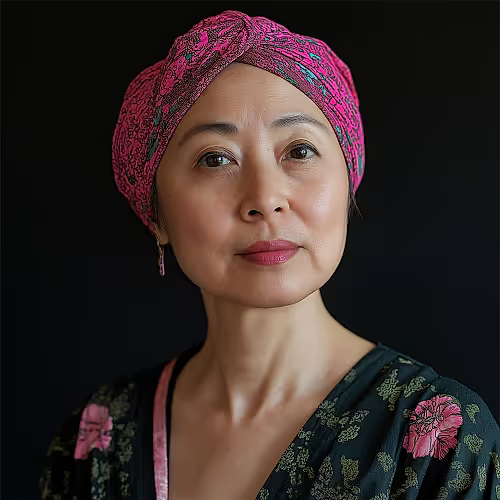

How can I rebuild after chemo?
Chemotherapy can leave you feeling depleted and fatigued, making recovery challenging. Many people struggle to regain energy and immune strength after treatment. Finding safe, supportive options to help restore your body is important.
Support Your Body’s Natural Recovery
Targeted support for recovery.
Chemotherapy recovery can be complex, but focused support helps address fatigue, nutrient loss, and immune challenges. IV therapy delivers essential vitamins, antioxidants, and hydration directly to your system, bypassing digestive barriers. This approach helps replenish what your body needs for energy, tissue repair, and immune balance. Regular sessions may ease lingering symptoms and promote a steadier return to wellness.
The DRIPBaR D.C. offers integrative IV therapies tailored to support your recovery journey. Our team works with you to address post-chemo needs and help you feel more resilient. Each visit is designed to provide comfort, safety, and real support. Book your appointment today to take the next step in your recovery.
Did you know?
Chemotherapy can cause nutrient depletion, making it harder for your body to recover and regain strength.
Understanding Chemotherapy Recovery
Many expect to bounce back quickly after chemotherapy, but the reality is often more gradual. Chemotherapy targets rapidly dividing cells, affecting both cancerous and healthy tissues. This can lead to fatigue, immune suppression, and nutrient loss that linger after treatment ends. Recovery focuses on rebuilding strength, restoring balance, and supporting the body’s recovery processes.
Common triggers for prolonged recovery include ongoing inflammation, oxidative stress, and digestive changes. Managing these effects involves rest, hydration, balanced nutrition, and gentle activity. Integrative approaches, like IV nutrient therapy, can help address deficiencies and support immune resilience. Each person’s recovery is unique, and a combination of strategies is often most effective.
Common Symptoms of Poor Recovery
Fatigue is one of the most common symptoms after chemotherapy, often lasting weeks or even months. Many people also experience muscle weakness, making daily activities more challenging. Nausea and digestive discomfort can persist, affecting appetite and hydration. These symptoms may fluctuate, sometimes improving gradually with supportive care.
Neuropathy, or tingling and numbness in the hands and feet, can develop due to nerve irritation from treatment. Some individuals notice changes in taste or smell, which can impact nutrition and enjoyment of food. Brain fog, including trouble concentrating or remembering, is also frequently reported. Immune suppression increases the risk of infections, especially during the early recovery phase.
Sleep disturbances are common, with some people struggling to fall or stay asleep. Emotional changes, such as anxiety or low mood, may arise as the body recovers. Skin and hair changes, including dryness or thinning, can also occur. Recognizing these patterns helps guide supportive strategies for a smoother recovery.
Traditional Treatments
Conventional care for chemotherapy recovery centers on rest, hydration, and balanced nutrition. Medical teams often recommend gentle physical activity, stress management, and regular follow-up to monitor progress. Addressing specific symptoms, such as nausea or neuropathy, may involve medications or targeted therapies. Support groups and counseling can help manage emotional challenges and provide encouragement. Some people benefit from integrative therapies, like IV nutrient support, to address lingering fatigue and nutrient depletion. These approaches are designed to complement, not replace, traditional medical care. Ongoing communication with your healthcare provider ensures that all aspects of recovery are addressed. Each recovery plan is tailored to individual needs and may evolve over time.
How IV Therapy May Help
While many expect recovery to be straightforward, the process is often more complex and requires targeted support. IV therapy at The DRIPBaR provides nutrients, antioxidants, and hydration directly to your bloodstream, helping to address deficiencies and support your body’s natural recovery. These therapies are designed to complement your existing care plan and may help ease symptoms like fatigue, weakness, or brain fog. Supervised by licensed providers, each session is tailored to your needs and comfort. Our services focus on replenishing what your body needs most after treatment, such as vitamins, minerals, and hydration. Controlled dosing allows for optimal absorption and minimizes digestive strain. While IV therapy is not a replacement for medical treatment, it can be a valuable part of your overall recovery strategy. We encourage open communication with your healthcare team to ensure the best outcomes.
Nutrient Support for Post-Treatment Recovery
Specialized IV therapies deliver essential nutrients and antioxidants to help restore energy and support immune function after treatment. These offerings are designed to address common post-chemotherapy challenges. Regular sessions may help promote a steadier recovery.
Allergy
Allergy therapy provides targeted intravenous delivery of antioxidants and minerals to support immune function and reduce inflammation. Key ingredients such as Vitamin C, NAC, Magnesium, and Zinc work together to alleviate respiratory symptoms and promote tissue repair. This approach offers faster absorption and more effective relief than oral supplements. It supports energy restoration and mental clarity, helping clients feel more resilient. The therapy is suitable for those managing immune stress or seeking preventive wellness support. It is administered by licensed providers in a calming environment.
Read moreFlu Fighter
Flu Fighter is a nutrient-rich IV infusion designed to support immune defenses and accelerate recovery. It delivers Vitamin C, Magnesium, and Zinc directly into the bloodstream for rapid absorption. This therapy helps reduce fatigue, supports tissue repair, and restores hydration balance. It is suitable for individuals seeking to enhance wellness during or after illness. The infusion is administered by licensed providers in a comfortable setting. It offers a comprehensive approach to maintaining health and resilience. Clients often experience improved energy and reduced symptoms after treatment.
Read moreHigh Dose Vitamin C
High Dose Vitamin C is an intravenous therapy that delivers elevated levels of ascorbic acid directly into the bloodstream. This method bypasses digestive limitations to provide enhanced antioxidant support. The infusion promotes immune cell function and collagen synthesis, aiding tissue repair and recovery. It is often used to support overall wellness and resilience during challenging health periods. This therapy is tailored to individual needs and administered by licensed providers to ensure safety and comfort.
Read more
Ready to Get Started?
Feel your best with a treatment designed to support your goals! Whether you’re looking for hydration, energy, immune support, recovery, or overall wellness, our team will help you choose the right option and make sure your experience is comfortable from start to finish. Click the Book Appointment button below to pick your reserve a time that fits your schedule.