
Why does fatigue linger so long?
Lingering fatigue after Epstein-Barr Virus (EBV) can disrupt daily routines and slow recovery. Many people find that tiredness and low energy persist even after other symptoms fade. Finding effective ways to support your body’s recovery is important for regaining vitality.
Support Recovery and Restore Vitality
Targeted support for recovery.
IV therapy can help address the persistent fatigue and immune challenges associated with Epstein-Barr Virus (EBV). By delivering essential nutrients directly into the bloodstream, these therapies may support energy restoration, immune balance, and overall recovery. Many individuals find that targeted infusions help reduce inflammation and promote a sense of well-being. This approach is designed to complement your body’s natural recovery process without replacing standard care.
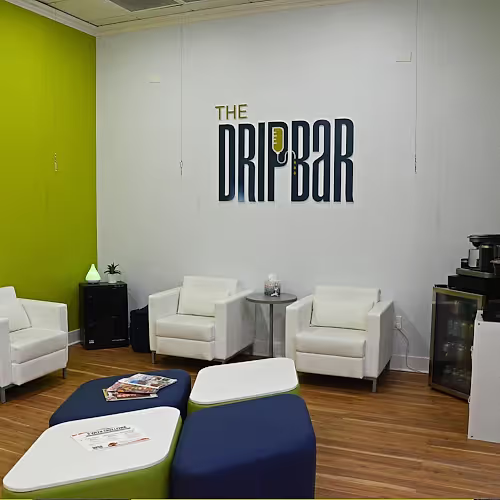
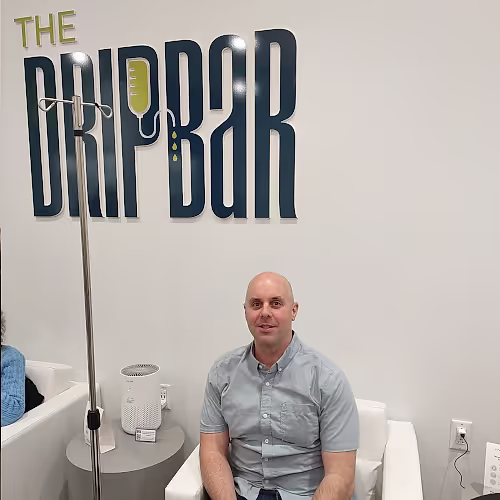
The DRIPBaR D.C. offers a supportive environment where you can explore IV therapy options tailored to your needs. Our team works with you to identify the right strategies for managing post-viral fatigue and immune stress. Each session is overseen by licensed providers to ensure safety and comfort. Book your appointment today to take a step toward renewed energy and resilience.
Did you know?
Epstein-Barr Virus (EBV) can remain dormant in the body and reactivate, leading to long-term fatigue and immune challenges.
Understanding Epstein-Barr Virus Recovery
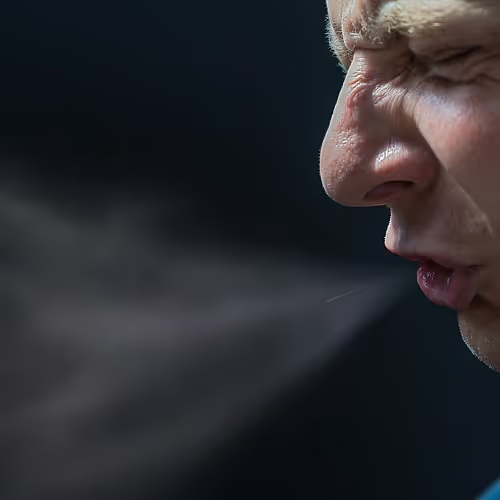
Epstein-Barr Virus (EBV) is a member of the herpesvirus family and is best known as the cause of infectious mononucleosis. After the initial infection, the virus can remain inactive in the body and may reactivate later, especially if the immune system is weakened. This reactivation can lead to ongoing symptoms such as fatigue, muscle aches, and immune system imbalance. EBV is most commonly spread through saliva but can also be transmitted by blood and other bodily fluids.
Common triggers for EBV reactivation include chronic stress, illness, or immune suppression. Managing EBV involves supporting the immune system, reducing inflammation, and addressing symptoms like fatigue and brain fog. While there is no cure, lifestyle adjustments, rest, and targeted therapies can help improve quality of life. Monitoring symptoms and seeking appropriate care are important steps in long-term management.
Symptoms of Epstein-Barr Virus
Acute Epstein-Barr Virus (EBV) infection often presents with intense fatigue, fever, sore throat, and swollen lymph nodes. Many individuals also experience muscle aches, headaches, and a general sense of malaise during the initial phase. These symptoms can last for several weeks and may be more pronounced in adolescents and young adults.
For some, symptoms persist beyond the acute phase, leading to chronic fatigue, brain fog, and reduced exercise tolerance. Muscle weakness and difficulty concentrating are also common, making daily activities more challenging. In cases of reactivation, symptoms may return or worsen, often triggered by stress or immune suppression.
Other patterns include recurring sore throats, mild fevers, and ongoing immune imbalance. Some people notice increased sensitivity to stress or environmental factors during recovery. The variability of symptoms means that each person’s experience with EBV can be unique. Monitoring changes and seeking support can help manage these ongoing effects.
Traditional Treatments
Conventional care for Epstein-Barr Virus (EBV) focuses on symptom management and supporting the body’s natural recovery. Rest, hydration, and over-the-counter medications for pain or fever are commonly recommended. Most people recover from acute infection within a few weeks, but some may experience lingering symptoms that require ongoing care. For those with chronic or reactivated EBV, additional strategies may include nutritional support, stress reduction, and therapies to address fatigue and inflammation. There is no antiviral medication specifically approved for EBV, so care is tailored to individual needs. Regular follow-up with healthcare providers helps monitor progress and adjust management as needed. Integrative approaches may be considered to complement traditional care.
How IV Therapy May Help
IV nutrient therapy offers a way to deliver vitamins, minerals, and antioxidants directly into the bloodstream, supporting the body’s recovery from post-viral fatigue and immune challenges. This approach allows for controlled dosing and may help replenish nutrients that are often depleted during or after illness. Many people find that targeted infusions can help reduce inflammation and promote cellular repair, contributing to improved energy and resilience. The DRIPBaR’s services are designed to complement your overall wellness plan, working alongside other strategies you may be using. Sessions are supervised by licensed providers to ensure safety and comfort. While IV therapy is not a replacement for medical care, it can be a valuable part of a holistic approach to managing lingering symptoms. Discussing your goals and health history with our team helps tailor the experience to your needs.
Nutrient Support for Immune Recovery
Specialized IV infusions can help address fatigue and immune imbalance by delivering targeted nutrients. These therapies are designed to support energy, reduce inflammation, and aid in post-viral recovery.
Allergy
Allergy therapy provides targeted intravenous delivery of antioxidants and minerals to support immune function and reduce inflammation. Key ingredients such as Vitamin C, NAC, Magnesium, and Zinc work together to alleviate respiratory symptoms and promote tissue repair. This approach offers faster absorption and more effective relief than oral supplements. It supports energy restoration and mental clarity, helping clients feel more resilient. The therapy is suitable for those managing immune stress or seeking preventive wellness support. It is administered by licensed providers in a calming environment.
Read morePowerpack
Powerpack provides a targeted blend of hydration, vitamins, and minerals to support physical and mental performance. Key ingredients such as Ascorbic Acid, Magnesium, and Zinc contribute to immune function, muscle repair, and cognitive focus. Delivered intravenously, these nutrients bypass digestive absorption for rapid effect. This infusion is suitable for individuals seeking to enhance stamina and recovery. It supports overall wellness during periods of high physical or cognitive demand. The formula helps reduce fatigue and promotes resilience. Powerpack is designed for those who want to maintain peak energy levels.
Read moreShield
Shield is a specialized IV infusion that delivers essential nutrients such as Ascorbic Acid, Magnesium, and Zinc directly into the bloodstream. This approach supports immune function, reduces oxidative stress, and promotes cellular repair. It is designed to help individuals recover energy and maintain resilience during periods of stress or illness. The infusion supports balanced inflammation and enhances mental clarity. It is suitable for those seeking proactive wellness and recovery support. Shield offers a convenient way to replenish vital cofactors for overall health.
Read more
Ready to Get Started?
Feel your best with a treatment designed to support your goals! Whether you’re looking for hydration, energy, immune support, recovery, or overall wellness, our team will help you choose the right option and make sure your experience is comfortable from start to finish. Click the Book Appointment button below to pick your reserve a time that fits your schedule.