
Are mood swings disrupting your day?
When emotional ups and downs become frequent, it can be hard to focus or feel at ease. Some people notice irritability, fatigue, or a sense of being overwhelmed. Individual experiences may differ, so it’s important to pay attention to your own patterns and seek support if needed.
Restore Balance and Find Emotional Clarity
Support for mental wellness.
Many people experience mood imbalance as a result of daily stress, hormonal changes, or nutrient deficiencies. The DRIPBaR offers IV therapies designed to deliver essential vitamins and minerals that help support emotional stability and mental clarity. These infusions can help calm the nervous system, reduce oxidative stress, and promote a sense of resilience. Individual results may vary, and ongoing support can be tailored to your needs.
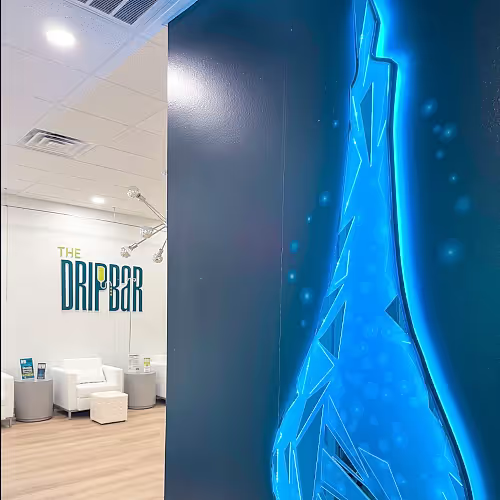
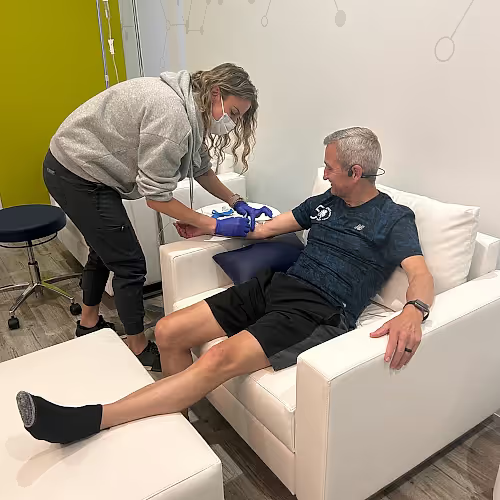
Clients at The DRIPBaR D.C. can access a range of services that focus on restoring calm and improving overall well-being. Sessions are supervised by licensed providers, and each visit is designed to provide a comfortable, supportive environment. If you’re ready to take the next step, book your appointment today to explore options for mental balance.
Did you know?
Mood imbalance can be influenced by nutrient levels, stress, and hormonal changes throughout life.
Understanding Mood Imbalance
Mood imbalance refers to ongoing changes in emotional state, such as irritability, sadness, or anxiety, that persist beyond typical daily fluctuations. These shifts are often linked to how the brain manages neurotransmitters and responds to stress or inflammation. Factors like nutrient deficiencies, poor sleep, or chronic stress can disrupt this balance and make symptoms more noticeable. The body’s ability to regulate mood depends on a complex interaction of hormones, brain chemicals, and lifestyle habits.
Common triggers for mood imbalance include life transitions, hormonal shifts, and environmental stressors. Managing these symptoms often involves a combination of lifestyle changes, therapy, and sometimes medical support. Paying attention to patterns and seeking help early can make a difference in overall well-being. A holistic approach that addresses both physical and mental health may offer the best support.
Symptoms of a Mood Imbalance
Mood imbalance often presents as persistent irritability, sadness, or emotional numbness that can affect daily routines. Some people notice mood swings, increased anxiety, or difficulty concentrating during stressful periods. These symptoms may come and go, but when they linger, they can impact relationships and productivity. Tracking how you feel over time can help you recognize patterns and seek support when needed.
Physical symptoms like fatigue, headaches, or changes in sleep patterns may also accompany mood changes. Some individuals experience low energy, muscle tension, or a sense of being overwhelmed. These signs can be subtle or pronounced, depending on the underlying causes. Paying attention to both emotional and physical cues is important for understanding your overall health.
For many, mood imbalance is linked to life events, hormonal changes, or chronic stress. Symptoms can vary from mild to severe and may shift with environmental or seasonal factors. Noticing when symptoms worsen or improve can help guide your approach to self-care and support.
Traditional Treatments
Traditional approaches to managing mood imbalance often include therapy, medication, and lifestyle modifications. Psychotherapy can help individuals develop coping strategies and address underlying emotional patterns. Medications, such as antidepressants or mood stabilizers, may be prescribed when symptoms are persistent or severe. Lifestyle changes like regular exercise, balanced nutrition, and mindfulness practices are also commonly recommended. Some people benefit from complementary therapies, such as IV nutrient infusions, which deliver vitamins and minerals directly to the bloodstream. These approaches are not a replacement for medical care but can be used alongside other treatments to support mental well-being. It’s important to work with healthcare professionals to find the right combination of strategies. Monitoring your progress and adjusting your plan as needed can help you achieve the best possible outcome.
How IV Therapy May Help
When mental balance feels out of reach, targeted IV nutrient therapy may offer gentle support. By delivering vitamins, minerals, and antioxidants directly into the bloodstream, these therapies can help stabilize the nervous system and promote a sense of calm. Many clients find that this approach complements their existing wellness routines. Results may vary, and ongoing care is tailored to individual needs. The DRIPBaR’s services are designed to support emotional resilience and mental clarity in a comfortable, supervised setting. Licensed providers oversee each session to ensure safety and personalized attention. This approach can be especially helpful for those experiencing stress-related symptoms or seeking a non-pharmaceutical option. Consider integrating IV therapy into your self-care plan for additional support.
Nutrient Support for Mental Balance
Certain IV therapies and supplements can help support mental well-being by providing hydration, antioxidants, and calming nutrients. These offerings are designed to promote relaxation, reduce stress, and help maintain mood stability. Individual experiences may vary, and these options can complement other wellness strategies.
Soother
Soother offers a targeted infusion designed to calm the nervous system and ease muscle tension. It delivers Magnesium, Calcium, and Taurine directly into the bloodstream for rapid absorption. This approach supports mental balance, restful sleep, and mental clarity. The therapy is suitable for individuals experiencing stress, fatigue, or physical discomfort. It provides a gentle, non-sedating option to help restore overall wellness and relaxation.
Ready to Get Started?
Feel your best with a treatment designed to support your goals! Whether you’re looking for hydration, energy, immune support, recovery, or overall wellness, our team will help you choose the right option and make sure your experience is comfortable from start to finish. Click the Book Appointment button below to pick your reserve a time that fits your schedule.