
Feeling overwhelmed by daily pressures?
Persistent stress can leave you feeling drained and unable to focus. When daily pressures build up, it becomes difficult to relax and recharge. Everyone responds differently, so it’s important to monitor your well-being and seek support as needed.
Restore Calm and Mental Balance
Support for mind and body.
The DRIPBaR offers targeted IV therapies designed to help ease the effects of stress and anxiety. These treatments deliver essential nutrients that support nervous system health, promote relaxation, and help restore emotional equilibrium. By replenishing what chronic stress may deplete, you can experience improved clarity, steadier mood, and greater resilience. Individual results may vary, and ongoing support is encouraged for lasting benefits.
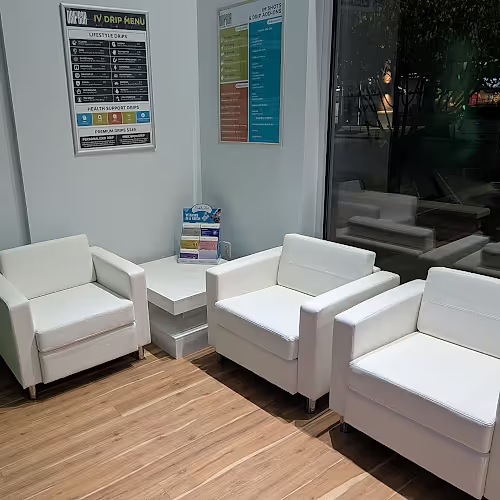
At The DRIPBaR D.C., you’ll find a supportive environment focused on your mental and physical well-being. Our team works with you to create a care plan that fits your needs and lifestyle. Regular sessions can help you better manage stress and maintain mental balance. Book your appointment today to begin your journey toward greater calm.
Did you know?
Chronic stress can impact sleep, immune function, and mood, making it important to address both physical and emotional factors.
Understanding Stress and Anxiety
When daily demands or unexpected changes arise, the body’s natural stress response is triggered. Stress is a normal reaction to challenges, while anxiety is a persistent sense of worry or unease that may linger even without a clear reason. Both can affect the nervous system, leading to symptoms such as muscle tension, restlessness, and difficulty concentrating. Over time, chronic stress and anxiety can impact sleep, immune health, and overall well-being.
Common triggers include work pressure, major life events, financial concerns, and relationship challenges. Poor nutrition, lack of sleep, and substance use can make symptoms worse. Managing these conditions often involves a combination of lifestyle changes, therapy, and supportive therapies. Recognizing early signs and seeking help can make a significant difference in long-term health.
Common Symptoms of Stress & Anxiety
If you find yourself feeling constantly on edge or unable to relax, you may be experiencing symptoms of stress and anxiety. These can include irritability, restlessness, and difficulty focusing on daily tasks. Muscle tension and headaches are also common, often linked to the body’s heightened stress response. Magnesium plays a key role in helping muscles relax and supporting a calm nervous system.
Sleep disturbances are another frequent symptom, with many people reporting trouble falling or staying asleep during stressful periods. This lack of rest can further increase feelings of fatigue and emotional instability. Some individuals notice digestive changes, such as stomach discomfort or changes in appetite, which can be tied to ongoing stress.
Emotional symptoms often include persistent worry, a sense of overwhelm, or mood swings. These feelings may come and go or become more constant over time. Recognizing these patterns early can help you take steps to manage stress and protect your mental health.
Traditional Treatments
Untreated stress and anxiety can lead to long-term health concerns, but several effective strategies exist. Traditional approaches include therapy, such as cognitive behavioral therapy, which helps individuals develop coping skills and address negative thought patterns. Medications like SSRIs or anxiolytics are sometimes prescribed for more severe or persistent symptoms, though they may not be suitable for everyone. Lifestyle changes play a key role, with regular exercise, balanced nutrition, and mindfulness practices often recommended. Supportive therapies, including nutrient-based IV infusions, can complement these approaches by addressing physical imbalances. It’s important to work with healthcare professionals to find the best combination of treatments for your unique needs. Monitoring your progress and adjusting your plan as needed can help achieve lasting results.
How IV Therapy May Help
When stress and anxiety start to affect your daily life, targeted IV therapy can offer gentle support. These infusions deliver nutrients directly into the bloodstream, helping to restore balance and promote relaxation. By supporting neurotransmitter function and replenishing key vitamins and minerals, IV therapy may help ease symptoms and improve overall well-being. Individual experiences vary, and ongoing care is often most effective for lasting change. Our services are designed to provide a safe, comfortable environment where you can focus on your mental and physical health. Licensed providers oversee each session, ensuring your experience is tailored to your needs. Regular visits can help you manage stress more effectively and build resilience over time. If you’re ready to take a proactive step, consider scheduling a session to support your mental wellness.
Nutrient Support for Mental Wellness
Specialized nutrient infusions can help promote calm and support the nervous system. These offerings are designed to ease tension, improve mood stability, and encourage restorative sleep. Consistent support may help you better manage daily stressors.
Soother
Soother offers a targeted infusion designed to calm the nervous system and ease muscle tension. It delivers Magnesium, Calcium, and Taurine directly into the bloodstream for rapid absorption. This approach supports mental balance, restful sleep, and mental clarity. The therapy is suitable for individuals experiencing stress, fatigue, or physical discomfort. It provides a gentle, non-sedating option to help restore overall wellness and relaxation.
Ready to Get Started?
Feel your best with a treatment designed to support your goals! Whether you’re looking for hydration, energy, immune support, recovery, or overall wellness, our team will help you choose the right option and make sure your experience is comfortable from start to finish. Click the Book Appointment button below to pick your reserve a time that fits your schedule.