Travelers coming from areas near Doylestown often experience the impact of altitude changes, whether heading to mountain destinations or returning home. The body’s response to elevation shifts can include dehydration, fatigue, and headaches, making recovery a priority. IV therapy offers a direct way to support hydration and electrolyte balance when oral intake is not enough. Many clients appreciate the convenience of a short drive to our location for proactive wellness support.
Altitude stress can disrupt your day with symptoms like brain fog, muscle cramps, and poor sleep. These issues often stem from fluid loss and electrolyte shifts that happen faster at higher elevations or during climate transitions. IV therapy may help by delivering fluids and key nutrients directly into your bloodstream, supporting recovery. While results vary, many find this approach helpful when adjusting to new environments.
Why hydration matters at altitude
At higher elevations, the air contains less oxygen, prompting your body to breathe more deeply and frequently. This increased respiratory effort leads to greater water loss, which can quickly deplete your hydration levels. Dehydration is a common trigger for headaches, fatigue, and reduced performance during altitude transitions. IV hydration for travel is designed to address these challenges by replenishing fluids and electrolytes efficiently. Supporting your body’s adaptation process can make a noticeable difference in how you feel.
Altitude sickness hydration essentials
Proper hydration is crucial when you ascend to higher elevations or travel between climates. Dry air and increased breathing rates can accelerate fluid loss. Electrolyte IV drip options are tailored to help restore balance. These therapies are especially useful when oral hydration is difficult.
Understanding altitude symptoms
Altitude sickness often appears within the first day after arriving at a higher elevation. Common symptoms include headache, fatigue, nausea, and sleep disruption. These issues are frequently made worse by dehydration and electrolyte imbalance. Recognizing these early signs allows you to take supportive steps before symptoms intensify. Seeking hydration and rest can help ease the transition.
The body’s response to altitude involves several rapid adjustments. Breathing and heart rate increase to compensate for lower oxygen, while fluid balance shifts as the body acclimates. Appetite may decrease, and sleep quality can suffer, leaving you feeling drained. Dehydration is often overlooked but plays a major role in worsening symptoms. IV hydration for travel can help by delivering fluids and nutrients directly into the bloodstream, bypassing sluggish digestion. This approach may offer faster relief for those struggling to recover after ascent. Always monitor for severe symptoms and seek medical evaluation if needed.
Travel recovery IV options are designed to support adaptation. They focus on hydration, electrolyte balance, and micronutrient replenishment. This can be especially helpful after long flights or rapid elevation changes.
Electrolyte balance and fatigue
Electrolyte loss is a key factor in altitude-related fatigue and muscle cramps. Sweating, increased urination, and reduced intake can all contribute to imbalance. An electrolyte IV drip can help restore sodium, potassium, and magnesium levels. This support may reduce the intensity of headaches and tiredness. Maintaining balance is essential for energy and comfort during travel.
Fatigue and brain fog are common complaints during altitude transitions. These symptoms often result from a combination of poor sleep, dehydration, and increased physiological demand. IV therapy may support energy metabolism by providing B vitamins and antioxidants directly into circulation. This can be especially valuable when appetite is low or digestion is sluggish. Travel recovery IV blends are tailored to address these needs, helping you feel more alert and resilient. While not a cure, these sessions can be part of a broader recovery plan. Always pair hydration with rest and pacing for best results.
Digestive comfort tips
Nausea and low appetite are frequent at altitude. Hydration and gentle nutrient support can ease these symptoms. IV therapy offers an alternative when eating or drinking feels difficult.
Digestive discomfort during altitude or climate transitions is common. Stress, irregular meals, and dehydration can all play a role. IV therapy may help by providing fluids and nutrients without relying on the digestive tract. Slow infusion rates and a calm environment support tolerance. Clients are often encouraged to have a light snack beforehand. Screening for more serious symptoms is always important before starting any elective therapy.
Muscle cramps and soreness can increase with exertion at altitude. Electrolyte depletion, reduced movement during travel, and physical activity all contribute. IV therapy with magnesium and amino acids may support muscle relaxation and recovery. A restful lounge session can also help reduce tension. This combination is popular among those returning from hiking or skiing.
Travel recovery IV benefits
Many people turn to IV therapy for altitude sickness support when oral hydration is not enough. This approach can provide rapid fluid and nutrient delivery. It is especially helpful after long flights or strenuous activity. IV therapy may help you feel more stable as you adjust.
IV hydration for travel is valued for its efficiency and predictability. Fluids and micronutrients enter the bloodstream directly, bypassing the digestive system. This can be a relief when nausea or poor appetite makes drinking and eating difficult. Electrolyte IV drips are often chosen for their ability to replenish sodium, potassium, and magnesium quickly. Antioxidants like vitamin C and glutathione may also be included to support recovery from oxidative stress. The calm environment of a drip lounge encourages rest and relaxation. Many clients find this combination supports faster adaptation to new environments.
It is important to remember that IV therapy does not replace acclimatization or medical care for serious altitude illness. The main benefits are hydration, electrolyte balance, and micronutrient support. Results vary, and sessions should be part of a broader wellness plan. Always seek medical attention for severe or worsening symptoms. Responsible use of IV therapy can complement other healthy habits during travel.
When to schedule IVs
Timing your IV therapy can make a difference in how you feel during altitude transitions. Many choose to schedule a session 24 to 48 hours before travel for baseline support. Others prefer an early post-arrival reset within the first day after reaching higher elevation. Some opt for mid-stay or post-trip sessions to aid recovery after exertion or exposure. Personalizing the timing helps match your needs and travel schedule.
A proactive approach can help you adapt more smoothly. Discuss your travel plans with a wellness specialist to find the best timing. Recovery is often easier when you are not already depleted.
Complementary strategies enhance the benefits of IV therapy during altitude and climate transitions. Gradual ascent, pacing activity, and prioritizing hydration are foundational. Using shade and cooling breaks in heat, or humidifiers and moisturizers in dry climates, can further support comfort. Regular meals, sleep routine, and limiting alcohol are practical steps. For air travel, hydrating before and after flights, moving during long journeys, and using topical relief for dryness are helpful. Combining these habits with IV support creates a well-rounded wellness plan.
Safety and screening for IV therapy
Many clients from Doylestown and nearby communities appreciate the peace of mind that comes with medically supervised IV therapy. Each session begins with a health intake and review of your current symptoms and medications. Licensed professionals assess whether IV therapy is appropriate for your situation. This careful screening helps ensure your safety and comfort throughout the process. The goal is to provide supportive care tailored to your needs.
IV therapy is a procedure that requires proper screening and clinical oversight. Individuals with kidney disease, heart conditions, or uncontrolled blood pressure should consult a healthcare provider before starting. Severe symptoms like confusion, chest pain, or difficulty breathing require immediate medical evaluation, not elective wellness services. The DRIPBaR Doylestown team prioritizes safety, using sterile preparation and monitoring throughout each session. Clients can relax knowing their care is in experienced hands. Responsible use of IV therapy builds trust and supports positive outcomes.
What to expect during your visit
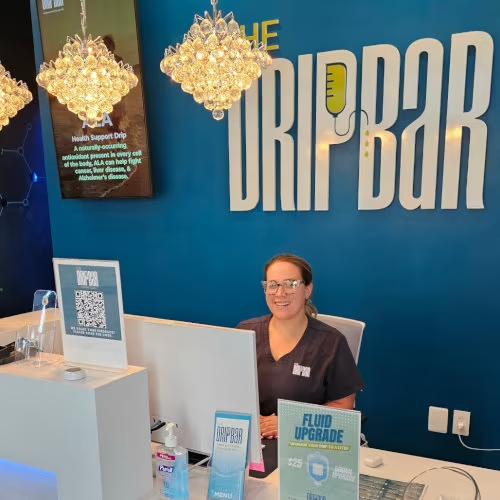
Your visit starts with a warm welcome and a brief health update. The team discusses your travel plans and any recent altitude or climate changes. Comfort and safety are always the top priorities.
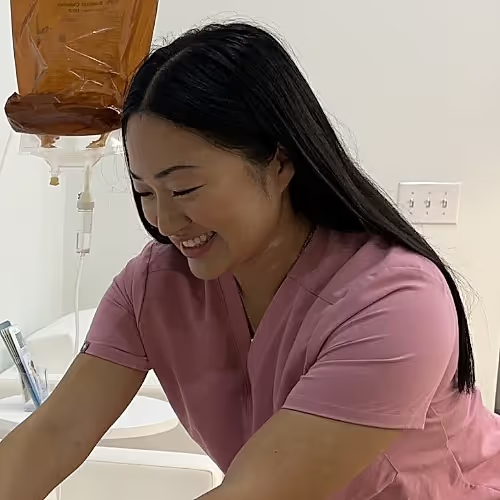
Clients enjoy a spa-like lounge with comfortable seating and thoughtful amenities. IV drips are prepared under sterile conditions for purity and precision. Aftercare guidance is provided to help you maintain hydration and recovery.
Creating a relaxing environment
The DRIPBaR Doylestown is designed to help you unwind and recharge. Soft blankets, snacks, and lemon water add comfort to your session. The calm atmosphere supports slow breathing and relaxation, which can be especially valuable after travel. Clients can choose between lounge seats or a private room for added privacy. Every detail is intended to enhance your wellness experience.
Accessibility and convenience are central to the client experience. The location offers ample free parking and is fully ADA-compliant. Nearby landmarks like Weis Market and Panera Bread make it easy to combine your visit with errands or a meal. The team is committed to making each session smooth and stress-free. Personalized attention ensures your needs are met. Many clients return for the welcoming environment and consistent care.
Community and ongoing wellness
The DRIPBaR Doylestown is more than a wellness clinic; it is a community resource. The team actively participates in local organizations and supports causes like the Travis Manion Foundation and Kin Wellness Cancer Support Center. Membership programs make it easy for clients to maintain regular wellness routines. Returning visitors often mention the positive impact on their energy and overall well-being. The clinic serves Doylestown and surrounding areas, providing easy access to professional IV vitamin therapy. The goal is to empower clients to take charge of their health in a supportive, medically guided setting. Ongoing partnerships reflect a commitment to community and proactive wellness.
Clients from Doylestown, Buckingham, Warrington, and beyond find the clinic conveniently located in the Mercer Square Shopping Center. The spa-like environment, skilled team, and thoughtful amenities set it apart. First-time guests receive complimentary add-ons to enhance their initial experience. Military members are honored with special discounts as a thank-you for their service. The clinic’s mission is to make wellness accessible and rewarding for all. Consistent, high-quality care keeps clients coming back.
Membership options support ongoing wellness goals. Regular visits help maintain hydration, energy, and recovery. Personalized care plans are developed based on individual needs. The team provides guidance on timing and session selection. Many clients appreciate the flexibility and value of membership.
Community involvement is a core value. The clinic supports local events and wellness initiatives. Giving back is part of the mission.
Planning your altitude support routine
Preparing for altitude or climate transitions starts with a proactive mindset. Schedule IV therapy before travel for baseline support. Consider a post-arrival session to aid recovery. Ongoing visits can help maintain wellness during longer stays.
IV therapy is a flexible tool for those navigating altitude changes. Many clients use IV therapy for altitude sickness support as part of a broader wellness plan. Sessions can be timed before, during, or after travel for best results. The approach is tailored to your unique needs and schedule. Consistent hydration and nutrient support help you adapt more comfortably. Always combine IV therapy with healthy habits and medical guidance. Results vary based on individual factors.
Tips for altitude adaptation
Gradual ascent is one of the most effective ways to reduce altitude symptoms. Limit physical exertion during the first day or two at higher elevations. Prioritize hydration by drinking water regularly, not just when thirsty. Balanced meals and electrolyte-rich foods support adaptation. Avoid excessive alcohol, which can worsen dehydration. Pay attention to sleep quality and take rest breaks as needed. Know the warning signs that require medical attention, such as severe headache or confusion.
Heat, cold, and dry air each present unique challenges during travel. Use shade and cooling breaks in hot climates, and layer clothing to avoid chills in cold weather. Humidifiers and moisturizers can help with dryness. Replace electrolytes through balanced hydration and meals. Adjust your routine based on the environment for best results.
- Gradual ascent: Increase elevation slowly when possible to allow your body to adapt.
- Hydration focus: Drink water consistently, especially in dry or high-altitude environments.
- Electrolyte intake: Include foods or supplements rich in sodium, potassium, and magnesium.
- Balanced meals: Eat regular, nutrient-dense meals to support energy and recovery.
- Rest and pacing: Take breaks and avoid overexertion during the first days at altitude.
- Sleep support: Prioritize sleep and maintain a consistent routine to aid adaptation.
- Limit alcohol: Reduce alcohol intake, especially during early altitude exposure.
- Monitor symptoms: Watch for severe or worsening symptoms and seek medical care if needed.
Integrating IV therapy safely
IV therapy should always be part of a balanced wellness plan. Consult with a licensed professional to determine if it is appropriate for your needs. Screening for underlying health conditions is essential before starting any session. The DRIPBaR Doylestown team provides thorough assessments and personalized recommendations. Sessions are tailored to your travel schedule, symptoms, and goals. Safety and comfort are prioritized throughout the process. Responsible use of IV therapy enhances trust and supports positive outcomes.
Combining IV therapy with other healthy habits maximizes benefits. Hydration, nutrition, rest, and pacing are foundational. The team offers guidance on timing and session selection. Membership programs make it easy to stay consistent. Many clients find that regular visits help maintain energy and resilience. Ongoing support is available for those with frequent travel or demanding schedules.
Planning ahead can make altitude transitions smoother. Discuss your itinerary with a wellness specialist to create a personalized support plan. Early preparation often leads to better outcomes.
Altitude and climate transitions challenge the body in unique ways. IV therapy is designed to support hydration, electrolyte balance, and micronutrient needs during these periods. The DRIPBaR Doylestown offers a calm, medically supervised environment for recovery. Clients benefit from personalized care and thoughtful amenities. Results vary, and sessions should be part of a broader wellness strategy. Always prioritize safety and consult a healthcare provider for severe symptoms.
Take the next step
If you are planning travel to higher elevations or returning from a trip, consider scheduling a session at The DRIPBaR Doylestown. The team is ready to walk you through the process, from arrival to aftercare. Booking is simple and can be tailored to your needs. Many clients appreciate the clear guidance and supportive environment. Consistent care helps you feel your best during transitions. Reach out to discuss your goals and create a personalized plan. Your wellness journey starts with a single step.
Taking charge of your health during altitude and climate changes can make travel more enjoyable. The DRIPBaR Doylestown team is here to support you with safe, effective options. Schedule your visit today and experience the benefits of proactive wellness.
Ongoing support is available for those who travel frequently or face demanding schedules. Membership options provide flexibility and value. Regular visits help maintain hydration, energy, and recovery. Personalized care plans are developed to match your unique needs. The team is committed to making each session comfortable and effective. Many clients find that consistent support leads to better adaptation and overall well-being. Reach out to learn more about membership benefits.
Your wellness journey starts with support
Altitude changes can challenge your hydration and energy. IV therapy offers a supportive option for those adapting to new environments. Choose a balanced approach for the best results.
The DRIPBaR Doylestown is dedicated to helping you feel your best during altitude and climate transitions. IV therapy delivers fluids and nutrients directly into circulation, creating a structured pause for rest and recovery. Use these sessions as part of a broader plan that includes hydration, pacing, and healthy habits. Results vary, and safety is always the top priority. For serious symptoms, seek medical evaluation promptly. Take the next step toward proactive wellness with a team you can trust.