Struggling with bladder pain relief?
Managing bladder discomfort can feel overwhelming when standard options do not bring enough relief. Many people search for ways to ease symptoms without relying solely on medications. Magnesium is one ingredient that may help relax pelvic muscles and reduce spasms.
Find Comfort and Restore Balance
Gentle support for symptoms.
The DRIPBaR offers a supportive approach for those dealing with interstitial cystitis, focusing on symptom relief and overall wellness. Nutrient infusions are designed to help reduce inflammation, support immune balance, and promote tissue repair in the bladder. By delivering hydration and targeted nutrients, these therapies may help ease pelvic discomfort and urinary urgency. This approach can complement other management strategies for a more holistic experience.
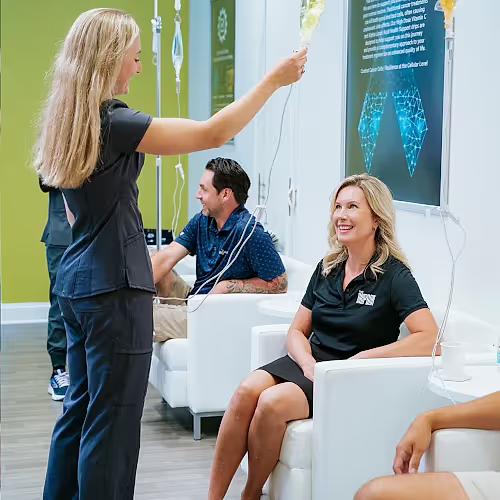
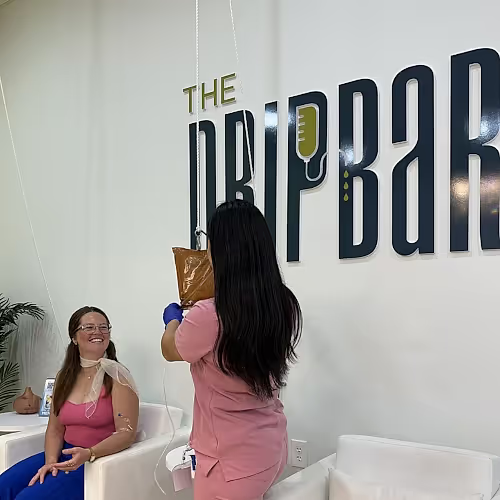
Clients at The DRIPBaR Doylestown receive care tailored to their needs, with options that fit into their ongoing wellness routines. Each session is supervised by licensed providers to ensure safety and comfort throughout the process. Consistent support may help reduce the frequency and severity of flare-ups over time. Book your appointment today to explore supportive therapies for bladder health.
Did you know?
Interstitial cystitis most often affects women between ages 30 and 50, and symptoms can be triggered by stress or certain foods.
Understanding Interstitial Cystitis
Interstitial cystitis is a chronic bladder condition that causes pain, pressure, and frequent urges to urinate without infection. The exact cause is unclear, but factors like bladder lining defects, immune activity, pelvic floor dysfunction, and nerve sensitivity are thought to play a role. Symptoms can range from mild discomfort to severe pain, often impacting daily activities and quality of life. The condition is sometimes called painful bladder syndrome and is more common in women.
Triggers for flare-ups may include certain foods, beverages, stress, hormonal shifts, or physical activity. Management often involves a combination of dietary adjustments, pelvic floor therapy, oral medications, and stress reduction. Supportive therapies such as IV nutrient infusions can be used alongside these strategies to help address inflammation and support bladder tissue health. A holistic approach is often recommended to help reduce symptom severity and improve overall well-being.
Symptoms of Interstitial Cystitis
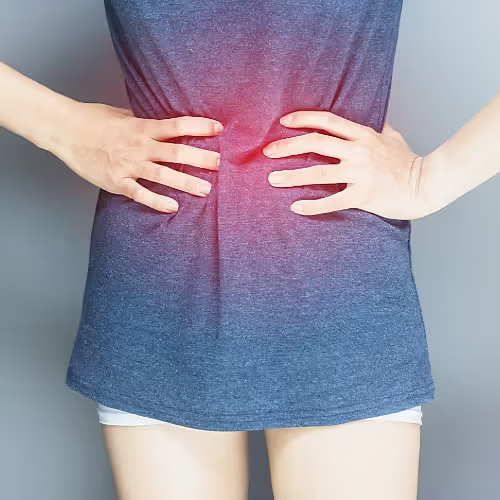
Interstitial cystitis commonly presents with persistent pelvic pain and a frequent need to urinate, often in small amounts. Many individuals report a constant sensation of bladder fullness, even after voiding. Pain during sexual activity and discomfort that worsens as the bladder fills are also typical. These symptoms can vary in intensity from day to day.
Flare-ups may be triggered by specific foods, beverages, or increased stress levels, leading to heightened discomfort. Some people notice that hormonal changes or physical exertion can make symptoms worse. The unpredictability of symptom patterns can make planning daily activities challenging. Over time, chronic symptoms may contribute to fatigue and emotional strain.
In addition to pain and urgency, some experience burning sensations or pressure in the pelvic region. Nighttime urination can disrupt sleep and affect overall energy levels. The absence of infection despite ongoing symptoms often leads to frustration and a lengthy search for effective management. Recognizing personal symptom patterns can help guide individualized care plans.
Traditional Treatments
When symptoms of interstitial cystitis are present, initial care often includes lifestyle and dietary modifications to identify and avoid triggers. Bladder instillation therapies, which deliver soothing solutions directly into the bladder, are sometimes used to reduce irritation and discomfort. Pelvic floor physical therapy can help address muscle tension and improve bladder function. Oral medications may be prescribed to manage pain, reduce inflammation, or calm nerve activity. Stress management techniques, such as mindfulness or relaxation exercises, are commonly recommended as part of a comprehensive plan. Supportive therapies like nutrient infusions may be considered to help replenish nutrients and support tissue repair. Regular follow-up with healthcare providers ensures that care remains tailored to changing symptoms. Combining multiple approaches can help many individuals achieve better symptom control and improved quality of life.
How IV Therapy May Help
If you are seeking additional support for bladder discomfort, The DRIPBaR offers therapies that focus on targeted hydration and nutrient delivery. These services are designed to help reduce inflammation, promote tissue repair, and support immune balance, all under the supervision of licensed providers. Ingredients such as magnesium may help relax pelvic muscles, while antioxidants can aid in protecting bladder tissue. This approach aims to complement your existing care plan for a more comprehensive wellness strategy. Clients benefit from a calm, spa-like environment where therapies are tailored to individual needs and comfort levels. Regular sessions may help manage stress-related flare-ups and support long-term urinary wellness. The DRIPBaR emphasizes safety, consistency, and a holistic perspective in every session. By integrating these supportive therapies, you can take proactive steps toward managing symptoms and improving daily comfort.
Supportive Therapies for Bladder Health
Various wellness therapies can help ease pelvic discomfort and support relaxation. These offerings are designed to reduce inflammation and promote tissue repair. Regular sessions may contribute to improved urinary wellness.
Infrared Sauna
Infrared Sauna therapy uses targeted infrared wavelengths to penetrate beneath the skin and raise core body temperature. This process encourages sweating, which aids in the removal of toxins and metabolic waste. Improved circulation and muscle relaxation are key benefits that help support recovery and comfort. The therapy also promotes skin health by enhancing nutrient delivery and pore cleansing. Sessions take place in a private, spa-like setting designed for relaxation. This service complements other wellness therapies and can be integrated into a balanced health routine. It is suitable for individuals seeking natural support for relaxation and vitality.
Read moreSoother
Soother is an intravenous therapy that delivers magnesium, calcium, and taurine directly to the bloodstream for rapid absorption. This treatment supports the nervous system and helps reduce muscle tightness. It encourages mental balance and improves sleep quality without sedation. The infusion is suitable for those experiencing stress, fatigue, or muscle discomfort. It offers a gentle, restorative option to support overall well-being and resilience. Regular sessions may enhance relaxation and mental clarity over time.
super nice place and staff! danielle was so helpful!
We love the DRIPBaR! Danielle & Tom are wonderful. They run a professional, clean, and healthy shop. We get follow up texts, updates, and plenty of information. A+ and highly recommended.
10/10 recommended!!! Staff is friendly and very knowledgeable. Owner is very nice as well and knows his stuff
amazing experience!!!!! the licensed provider is really informative!
Great experience. Dripbar Doylestown was fantastic. The staff was professional, kind, and well-informed, and the infusion process was quick and comfortable. Everything was explained clearly, the clinic was clean, and the whole visit felt well-organized. Highly recommend!
Read more
Ready to Get Started?
Feel your best with a treatment designed to support your goals! Whether you’re looking for hydration, energy, immune support, recovery, or overall wellness, our team will help you choose the right option and make sure your experience is comfortable from start to finish. Click the Book Appointment button below to pick your reserve a time that fits your schedule.