Struggling with unpredictable digestion?
Managing day-to-day life with unpredictable digestive symptoms can be challenging. Some approaches focus on symptom relief, while others target underlying triggers. Finding a strategy that fits your needs may help you regain comfort and confidence.
Find Relief and Restore Digestive Balance
Support for gut discomfort.
The DRIPBaR offers targeted support for those seeking to ease digestive discomfort and manage symptoms of IBS. Our approach focuses on hydration, nutrient replenishment, and reducing inflammation to help stabilize gut function. By addressing common triggers and supporting the gut-brain axis, we aim to promote greater comfort and resilience. Each session is tailored to your needs, providing a supportive environment for your digestive health.
At The DRIPBaR Doylestown, you can access therapies designed to complement your existing care plan and lifestyle. Our team works with you to identify the best options for managing symptoms and improving daily well-being. We prioritize safety and comfort, ensuring each visit is both effective and reassuring. Book your appointment today to take the next step toward digestive wellness.
Did you know?
IBS affects up to 15% of adults worldwide, often beginning in early adulthood and impacting daily routines.
Understanding Irritable Bowel Syndrome
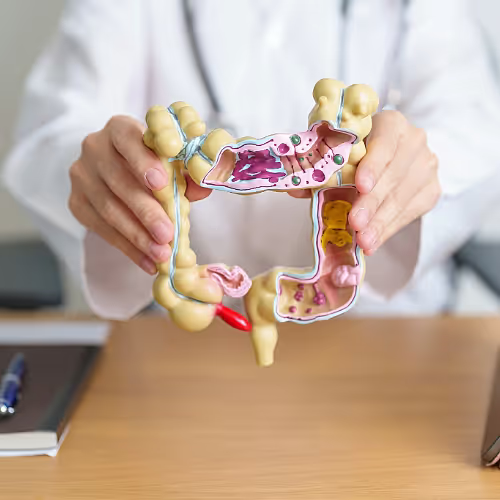
When symptoms like abdominal pain and irregular bowel habits persist, it may signal a functional digestive disorder. Irritable Bowel Syndrome (IBS) involves a complex interplay between the gut and nervous system, leading to discomfort, bloating, and changes in stool patterns. The condition does not cause structural damage but can significantly affect quality of life. Factors such as gut-brain axis dysregulation and heightened intestinal sensitivity play key roles.
Triggers for IBS often include certain foods, stress, and hormonal fluctuations. Managing IBS typically involves dietary adjustments, stress reduction, and sometimes medications or probiotics. Supportive therapies, like IV nutrient infusions, can help address hydration and nutrient gaps, especially for those with dietary restrictions. Individual responses vary, so a personalized approach is recommended.
Symptoms of Irritable Bowel Syndrome
A person with IBS may notice recurring abdominal pain, bloating, and discomfort that disrupt daily activities. These symptoms often fluctuate in intensity, sometimes appearing after meals or during periods of stress. Changes in bowel habits, such as constipation, diarrhea, or alternating between the two, are common. Some individuals also report increased gas and a sense of incomplete evacuation.
Symptoms can vary widely from person to person, making IBS a highly individualized condition. For some, stress or certain foods can trigger flare-ups, while others may experience symptoms without clear patterns. Fatigue and brain fog are sometimes reported alongside digestive complaints. The unpredictable nature of symptoms can impact social and work life.
IBS does not cause visible damage to the intestines, but the discomfort can be persistent and frustrating. Many people find that symptoms improve with lifestyle changes, though complete relief may be elusive. Monitoring triggers and working with healthcare providers can help manage the condition. Supportive therapies may offer additional comfort for those seeking holistic options.
Traditional Treatments
Traditional management of IBS often starts with dietary modifications, such as adopting a low-FODMAP diet or identifying personal food triggers. Stress reduction techniques, including mindfulness and relaxation exercises, are frequently recommended to help minimize symptom flare-ups. Medications may be prescribed to address specific symptoms like constipation, diarrhea, or abdominal cramping. Probiotics and fiber supplements are sometimes used to support gut health. For individuals with persistent or severe symptoms, a multidisciplinary approach may be beneficial. This can include nutritional counseling, psychological support, and regular follow-up with healthcare providers. Supportive therapies, such as IV nutrient infusions, may help address hydration and nutrient deficiencies, especially in those with dietary restrictions or absorption issues. Each treatment plan should be tailored to the individual's unique needs and symptom patterns.
How IV Therapy May Help
Are you looking for ways to support your digestive comfort and overall well-being? The DRIPBaR’s services offer targeted nutrient delivery and hydration, which may help ease digestive discomfort and promote gut balance. Our therapies are designed to complement your existing care plan, providing an additional layer of support for those managing IBS symptoms. Sessions are supervised by licensed providers, ensuring a safe and comfortable experience. Environmental factors, such as stress and dietary habits, can influence how you feel day to day. By focusing on replenishing key nutrients and supporting the gut-brain connection, our approach aims to help you feel more resilient. We recognize that each person’s experience with IBS is unique, so we tailor our services to your needs. This personalized care may assist in managing symptoms and improving quality of life.
Targeted Support for Digestive Wellness
Specialized therapies can provide hydration and nutrients that support gut health. These offerings may help reduce inflammation and ease digestive discomfort. Consistent care can complement your existing management strategies.
High Dose Vitamin C
High Dose Vitamin C offers a therapeutic intravenous infusion of ascorbic acid to achieve plasma levels beyond oral intake. This supports antioxidant defenses, immune cell function, and collagen synthesis for tissue repair. The therapy also enhances detoxification pathways and vascular health. It is commonly used as adjunctive support during recovery and wellness maintenance. Each session is personalized to individual health needs and goals. This approach provides a medically supervised option for those seeking enhanced resilience and recovery.
Read moreOral Supplements
Oral Supplements offer targeted nutritional support designed to maintain energy, immune function, and metabolic balance between clinic visits. These practitioner-guided regimens deliver essential vitamins, minerals, and antioxidants tailored to individual health goals. Supplements are conveniently shipped to your home, making it easier to stay consistent. This approach helps extend the benefits of in-clinic therapies and supports long-term cellular repair and vitality. Many clients find that regular supplementation enhances their overall wellness and resilience. Personalized plans ensure that your supplement routine fits your lifestyle and evolving needs. This service is designed to provide ongoing support for those seeking to maintain optimal health.
super nice place and staff! danielle was so helpful!
We love the DRIPBaR! Danielle & Tom are wonderful. They run a professional, clean, and healthy shop. We get follow up texts, updates, and plenty of information. A+ and highly recommended.
10/10 recommended!!! Staff is friendly and very knowledgeable. Owner is very nice as well and knows his stuff
amazing experience!!!!! the licensed provider is really informative!
Great experience. Dripbar Doylestown was fantastic. The staff was professional, kind, and well-informed, and the infusion process was quick and comfortable. Everything was explained clearly, the clinic was clean, and the whole visit felt well-organized. Highly recommend!
Read more
Ready to Get Started?
Feel your best with a treatment designed to support your goals! Whether you’re looking for hydration, energy, immune support, recovery, or overall wellness, our team will help you choose the right option and make sure your experience is comfortable from start to finish. Click the Book Appointment button below to pick your reserve a time that fits your schedule.
How do I build a medication and supplement routine for Crohn's disease?
Building a routine for Crohn’s disease involves working closely with your healthcare provider. Medications, supplements, and dietary changes are tailored to your needs. Regular monitoring ensures adjustments are made as needed. Consistency supports better symptom control.