Struggling with daily movement changes?
Each day can bring new challenges with movement and energy. These changes may leave you feeling frustrated or uncertain about your next steps. Targeted support can help address fatigue and promote steadier function.
Support For Mind And Body Wellness
Personalized support options.
Managing Parkinson’s Disease often means adapting to shifting symptoms and energy levels. The DRIPBaR offers IV therapies designed to help support neurological health, reduce oxidative stress, and promote overall vitality. These therapies may help ease fatigue, support muscle relaxation, and contribute to improved mental clarity. While not a replacement for standard care, they can complement your existing wellness plan.
Clients at The DRIPBaR Doylestown can access therapies tailored to their unique needs and stage of Parkinson’s Disease. Our approach emphasizes safety, comfort, and ongoing support for both cognitive and physical symptoms. We encourage you to book an appointment to explore how our services can fit into your wellness journey. Take the next step toward feeling your best.
Did you know?
Parkinson’s Disease often begins with subtle symptoms, such as mild tremors or changes in handwriting, before more noticeable movement issues develop.
Understanding Parkinson's Disease
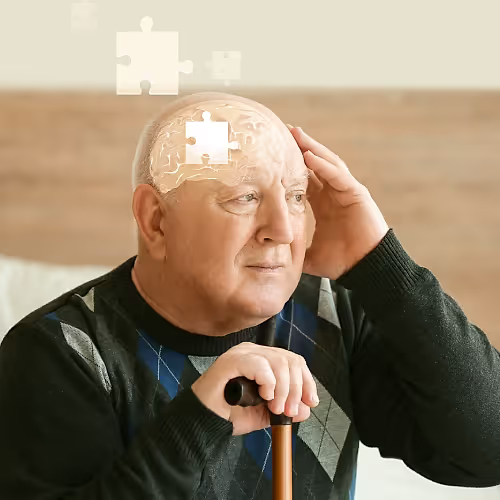
Parkinson’s Disease is a progressive neurological disorder that primarily affects movement control. It results from the gradual loss of dopamine-producing neurons in the brain, leading to tremors, muscle stiffness, and slowed movements. Over time, individuals may also experience non-motor symptoms like fatigue, mood changes, and cognitive difficulties. The condition is complex, with both motor and non-motor features impacting daily life.
Genetic factors, environmental exposures, and oxidative stress are believed to play roles in its development. While the exact cause remains unclear, managing Parkinson’s Disease often involves a combination of medication, physical activity, and lifestyle adjustments. Early recognition and consistent support can help maintain independence and quality of life. Integrative approaches may offer additional benefits alongside traditional care.
Symptoms of Parkinson's Disease
Early symptoms of Parkinson’s Disease can be subtle, such as slight tremors in the hands or changes in handwriting. As the condition progresses, muscle stiffness and slowness of movement often become more noticeable. Many people also report difficulty with balance and coordination, which can increase the risk of falls. These motor symptoms tend to worsen gradually over time.
Non-motor symptoms are also common and may include fatigue, depression, and anxiety. Some individuals notice changes in sleep patterns, such as trouble falling or staying asleep. Cognitive changes, including mild memory issues or slowed thinking, can develop as the disease advances. Digestive problems like constipation may also occur.
The pattern and severity of symptoms can vary widely from person to person. Some experience more pronounced motor challenges, while others are affected mainly by non-motor symptoms. Fluctuations in symptom intensity are typical, with good and bad days. Recognizing these patterns can help guide supportive strategies and care planning.
Traditional Treatments
Conventional care for Parkinson's Disease typically includes medications that help manage symptoms by increasing or mimicking dopamine in the brain. Levodopa is the most commonly used medication, often combined with other drugs to enhance its effectiveness and reduce side effects. Dopamine agonists and MAO-B inhibitors are also frequently prescribed. These medications can help improve movement, reduce tremors, and support daily functioning. Physical therapy and regular exercise are important components of care, helping to maintain mobility, flexibility, and balance. Occupational and speech therapy may address specific challenges with daily activities or communication. Lifestyle adjustments, such as a balanced diet and structured routines, can further support well-being. While there is currently no simple answer, ongoing research continues to explore new therapies and integrative approaches.
How IV Therapy May Help
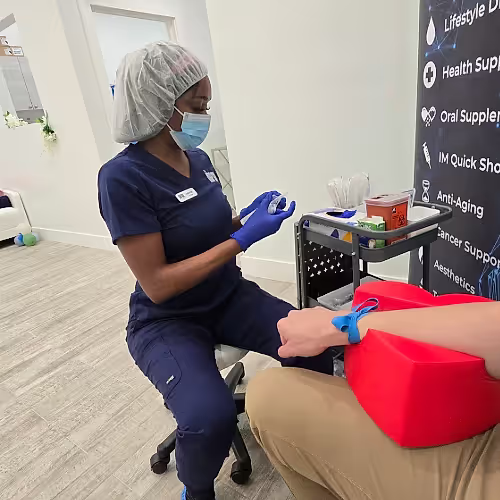
Imagine someone navigating the daily ups and downs of Parkinson's Disease, seeking ways to feel more energized and focused. IV nutrient therapy at The DRIPBaR offers targeted support with carefully selected vitamins, minerals, and antioxidants delivered under the supervision of licensed providers. This approach can help reduce oxidative stress, promote neurological health, and support consistent energy levels. Regular sessions may provide a sense of steadiness and improved overall wellness. For those managing both motor and non-motor symptoms, these therapies are designed to complement traditional care and address individual needs. The focus is on safe, controlled dosing and ongoing support, rather than quick fixes. Over time, clients may notice benefits such as reduced fatigue, improved clarity, and enhanced resilience. Consistency and a personalized plan are key to maximizing potential outcomes.
Nutrient Support For Neurological Health
Certain IV therapies offer targeted nutrients that may help support nerve function, reduce oxidative stress, and promote energy balance for those managing Parkinson’s Disease.
Alpha Lipoic Acid (ALA)
Alpha Lipoic Acid (ALA) is a unique antioxidant that functions in both water- and fat-soluble environments, supporting energy metabolism and cellular protection. Delivered intravenously, this therapy enhances mitochondrial function and regenerates antioxidants such as Vitamin C. It supports metabolic balance, nerve health, and detoxification processes. This treatment is designed to improve overall vitality and reduce fatigue. It is suitable for individuals seeking to support their body’s natural energy and recovery mechanisms.
NAD+
Nicotinamide Adenine Dinucleotide (NAD) IV therapy provides essential support for cellular metabolism and neurological health. By delivering NAD+ directly into the bloodstream, it enhances mitochondrial energy production and DNA repair processes. This therapy helps improve mental clarity and reduce fatigue. It supports oxidative balance and promotes resilience at the cellular level. Suitable for those seeking to maintain vitality and cognitive function, this infusion offers a targeted approach to wellness.
Read moreTime Machine
Time Machine delivers a blend of essential nutrients directly into the bloodstream to support cellular repair and energy metabolism. Ingredients such as Ascorbic Acid, Taurine, and Magnesium work together to reduce oxidative stress and promote mental clarity. This therapy also supports vascular health and collagen production, contributing to healthier skin. It is designed for individuals seeking to enhance stamina, cognitive function, and overall vitality. Regular treatments may help maintain wellness and support recovery from fatigue or stress.
super nice place and staff! danielle was so helpful!
We love the DRIPBaR! Danielle & Tom are wonderful. They run a professional, clean, and healthy shop. We get follow up texts, updates, and plenty of information. A+ and highly recommended.
10/10 recommended!!! Staff is friendly and very knowledgeable. Owner is very nice as well and knows his stuff
amazing experience!!!!! the licensed provider is really informative!
Great experience. Dripbar Doylestown was fantastic. The staff was professional, kind, and well-informed, and the infusion process was quick and comfortable. Everything was explained clearly, the clinic was clean, and the whole visit felt well-organized. Highly recommend!
Read more
Ready to Get Started?
Feel your best with a treatment designed to support your goals! Whether you’re looking for hydration, energy, immune support, recovery, or overall wellness, our team will help you choose the right option and make sure your experience is comfortable from start to finish. Click the Book Appointment button below to pick your reserve a time that fits your schedule.
Why is proper nutrient balance important for Parkinson's Disease?
Proper nutrient balance supports neurological health and may help manage symptoms of Parkinson’s Disease. Essential vitamins and minerals can play a role in energy metabolism and nerve function. While not a cure, maintaining balanced nutrition may contribute to overall well-being. Consistent support can complement traditional therapies.
What are common root causes of muscle stiffness?
Muscle stiffness in Parkinson’s Disease often results from reduced dopamine levels in the brain. This neurotransmitter is crucial for smooth, coordinated movement. As dopamine decreases, muscles may become rigid or slow to respond. Addressing this symptom involves a combination of therapies and support.
What nutritional approaches may benefit Parkinson's Disease?
Nutritional approaches for Parkinson’s Disease often focus on antioxidant-rich foods and balanced meals. Adequate intake of vitamins and minerals supports nerve and muscle function. Some people benefit from working with a dietitian for personalized guidance. Nutrition can complement other therapies for holistic care.