Feeling drained after physical activity?
Electrolyte depletion can leave you feeling tired and weak, especially after exercise or illness. These symptoms may appear quickly or develop over time. Addressing them early can help you regain your energy and focus.
Restore Balance and Feel Energized
Support for rapid recovery.
The DRIPBaR offers targeted support for those experiencing symptoms of electrolyte depletion, such as fatigue, muscle cramps, or dizziness. Our IV therapies deliver hydration and essential minerals directly into your bloodstream for efficient absorption. This approach helps restore balance, support muscle and nerve function, and may improve mental clarity. Many clients notice a difference in how they feel soon after their session.
At The DRIPBaR Doylestown, you can receive personalized care designed to address your unique hydration and mineral needs. Licensed providers monitor your session to ensure comfort and safety throughout your visit. Scheduling is flexible, making it easy to fit wellness into your routine. Book your appointment today to experience the benefits of replenished hydration and minerals.
Did you know?
Even mild electrolyte depletion can affect energy, focus, and muscle function, especially after intense activity or illness.
Understanding Electrolyte Depletion
Electrolyte depletion happens when your body loses minerals such as sodium, potassium, magnesium, or calcium more quickly than they are replaced. These minerals are essential for hydration, nerve signaling, muscle contraction, and maintaining your body’s acid-base balance. When levels drop, it can disrupt cellular and organ function, sometimes leading to serious complications. Recognizing the signs early is important for maintaining your health.
Common triggers include heavy sweating from exercise or heat, gastrointestinal fluid loss from vomiting or diarrhea, dehydration, poor nutrition, and certain medications. Managing electrolyte depletion often starts with oral hydration, but more significant losses may require intravenous support. Adopting healthy habits and seeking timely care may help you avoid recurring imbalances.
Symptoms of Electrolyte Depletion
Symptoms of electrolyte depletion can develop suddenly or gradually, depending on the cause and severity. Fatigue and muscle cramps are among the most common early signs, often noticed after physical activity or illness. Some people may also experience dizziness, headaches, or a sense of weakness. These symptoms can be mild at first but may worsen if not addressed.
As electrolyte loss continues, additional symptoms such as irregular heartbeat, nausea, or confusion may occur. The severity of these effects can vary based on age, overall health, and environmental factors like heat or humidity. In some cases, severe depletion can lead to more serious issues, including seizures or heart rhythm disturbances. Prompt recognition and intervention are important for avoiding complications.
People at higher risk include athletes, outdoor workers, travelers, and those recovering from illness or surgery. Elderly individuals and those taking certain medications may also be more susceptible. Understanding your risk factors and monitoring for early symptoms can help you take action before problems escalate.
Traditional Treatments
If you notice signs of electrolyte depletion, starting with oral rehydration solutions or electrolyte-rich drinks is often recommended. These options can help address mild imbalances and are widely available for home use. For more significant or persistent symptoms, medical evaluation may be necessary to determine the best course of action. In some cases, intravenous therapy is used to rapidly restore fluid and mineral levels, especially when oral intake is not possible or effective. This approach allows for immediate absorption and can be tailored to individual needs. Ongoing management may include adjusting medications, improving nutrition, and monitoring hydration status. Preventive strategies are important for those with recurring risk factors.
How IV Therapy May Help
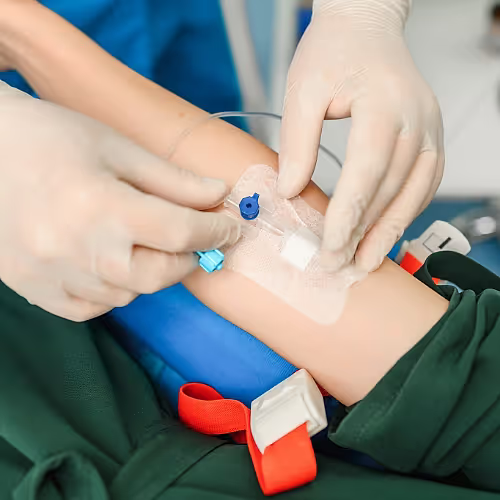
IV therapy at The DRIPBaR provides a direct way to replenish fluids and essential minerals, supporting your body’s natural recovery processes. By delivering nutrients intravenously, this method bypasses the digestive system for faster absorption and more predictable results. Each session is tailored to your needs, with licensed providers monitoring your comfort and safety throughout. Our services are designed to help restore hydration, support muscle and nerve function, and address symptoms like fatigue or dizziness. IV therapy can be especially helpful after intense activity, illness, or travel, and may complement your broader wellness routine. While not a replacement for medical care, it offers a practical option for those seeking to maintain balance and feel their best.
Targeted Support for Rapid Replenishment
Specialized IV therapies deliver fluids and minerals directly to your bloodstream, helping to address symptoms of electrolyte loss. These offerings are designed to support hydration, energy, and recovery. Many people find this approach beneficial for restoring balance after physical stress.
100% Hydration
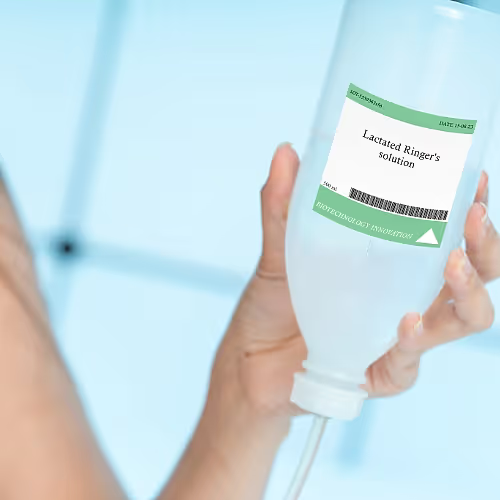
Lactated Ringers
Proper hydration is critical for maintaining energy, cognitive function, and physical recovery. 100% Hydration delivers Lactated Ringers intravenously to restore fluid and electrolyte balance efficiently. This method bypasses the digestive system, allowing faster absorption and support for circulation and cellular health. The therapy helps reduce fatigue and supports muscle recovery after exertion. It is suitable for individuals seeking to maintain wellness and optimize their body’s natural functions. Regular hydration support can enhance overall vitality and resilience.
super nice place and staff! danielle was so helpful!
We love the DRIPBaR! Danielle & Tom are wonderful. They run a professional, clean, and healthy shop. We get follow up texts, updates, and plenty of information. A+ and highly recommended.
10/10 recommended!!! Staff is friendly and very knowledgeable. Owner is very nice as well and knows his stuff
amazing experience!!!!! the licensed provider is really informative!
Great experience. Dripbar Doylestown was fantastic. The staff was professional, kind, and well-informed, and the infusion process was quick and comfortable. Everything was explained clearly, the clinic was clean, and the whole visit felt well-organized. Highly recommend!
Ready to Get Started?
Feel your best with a treatment designed to support your goals! Whether you’re looking for hydration, energy, immune support, recovery, or overall wellness, our team will help you choose the right option and make sure your experience is comfortable from start to finish. Click the Book Appointment button below to pick your reserve a time that fits your schedule.