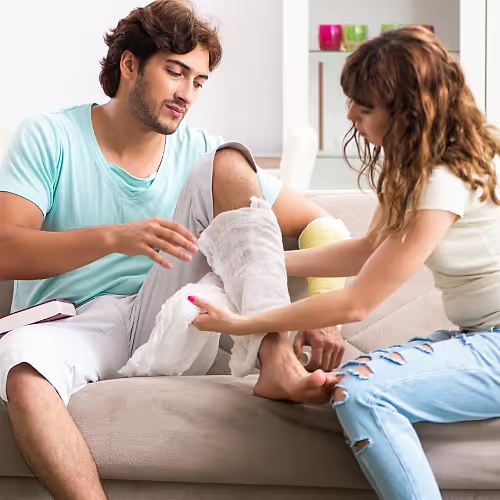

At The DRIPBaR Edwardsville Glen Carbon, we see many clients from Glen Carbon and nearby communities who are interested in comfort-focused recovery options. If you are considering compression boots after surgery, it is essential to follow your surgeon’s instructions first and foremost. Our team emphasizes that these sessions are designed to complement, not replace, medical guidance. Always check with your provider before adding new wellness routines.
Compression boots use gentle, rhythmic pressure to help support circulation and comfort in the legs. These sessions are non-invasive and can be adjusted for your individual needs. While many people describe a feeling of lighter legs afterward, results vary. The most important step is ensuring you are medically cleared before starting.
Why swelling after surgery is common
Swelling is a frequent part of the recovery process after surgery. It can result from inflammation, fluid shifts, and reduced movement during recovery. Factors like posture changes, medication effects, and even diet can influence how much swelling you experience. Compression therapy after surgery is one tool that may help support comfort, but it works best when paired with movement, elevation, and proper hydration. Always monitor for any sudden or severe changes and contact your surgical team if you have concerns.
Post op compression boots and recovery
Post op compression boots are designed to provide intermittent, rhythmic pressure to the legs. This action can help encourage blood flow back toward the heart, especially when movement is limited. Many people find these sessions relaxing and supportive during recovery. It is important to use them only after receiving medical clearance.
Lymphatic drainage compression boots
Lymphatic drainage compression boots use cycles of gentle pressure to help move fluid through the legs. This can support the body’s natural processes for reducing swelling. Comfort and safety are always the top priorities.
Swelling after surgery relief often requires a combination of strategies. Elevation, walking as permitted, and hydration are key components of most recovery plans. Compression boots may offer additional comfort by supporting circulation and fluid movement. They are not a replacement for prescribed compression garments or physical therapy. Always check with your surgeon before starting new routines. If swelling worsens or you notice new symptoms, seek medical advice promptly.
Circulation booster boots can be a helpful addition to your recovery toolkit. These sessions are typically time-based and can be adjusted for comfort and intensity. Many people notice a reduction in leg heaviness and stiffness after a session. However, compression boots are not a cure-all and should be used alongside other recovery supports. Consistency with walking, elevation, and hydration remains essential. If you have any concerns about your recovery, consult your healthcare provider.
Safety and screening
Safety is always the first concern after surgery. Not everyone is a candidate for recovery compression boot sessions right away. Those with blood clot risks, new calf pain, or skin issues should delay use until cleared. Always discuss your specific situation with your surgeon or licensed provider before booking a session.
Before starting any compression therapy, a thorough screening is essential. Your provider will check for red flags such as unusual swelling, pain, or signs of infection. If you have a history of blood clots or vascular issues, extra caution is needed. The DRIPBaR team will review your medical history and recovery stage at each visit. This ensures that every session is tailored to your needs and safety. If you are unsure about your readiness, always ask your healthcare provider.
Session expectations
During a recovery compression boot session, you can expect a gentle squeeze and release pattern up the legs. Most people describe the sensation as a relaxing, massage-like pressure. Sessions are typically comfortable and can be adjusted for intensity. If you notice any discomfort, let your provider know right away.
After your session, you may feel lighter legs or reduced stiffness. It is common to pair compression with hydration and a short walk, if permitted. Always check your skin for any redness or irritation after use. If you experience any unusual symptoms, stop the session and seek guidance. Consistency and gentle routines are key to supporting your recovery.
Integrating compression into recovery
Many clients ask how compression boots after surgery fit into their overall recovery plan. The answer is that these sessions are most effective when used as part of a broader comfort routine. Pairing compression with elevation, movement, and hydration can help support circulation and ease leg heaviness. Remember, these sessions are not a replacement for prescribed therapy or garments. Always follow your surgeon’s advice and listen to your body as you recover.
A typical recovery day might include hydration, a light meal, and gentle movement in the morning. Midday, you could take a break for elevation and a breathing exercise. In the afternoon, a compression boot session at comfortable intensity can help reset your routine. Afterward, continue with hydration and a short walk if allowed. Evening routines should focus on relaxation, elevation, and preparing for restful sleep. Consistency and balance are the foundation of a successful recovery.
Compression boots are not a stand-alone solution for swelling or discomfort. They work best when combined with other supportive habits like walking, elevation, and proper nutrition. If you are returning to light activity, these sessions can help you feel more comfortable and motivated. Always monitor your symptoms and communicate with your healthcare provider. Your recovery is unique, and your plan should reflect your individual needs.
Physical therapy pairing
Compression boots can complement physical therapy by supporting comfort and circulation. Many people find that using boots after therapy helps reduce leg heaviness. Avoid scheduling sessions immediately before therapy if it leaves your legs too relaxed. Always coordinate with your therapist for the best timing. Combining both approaches can help you stay consistent with your recovery plan.
Physical therapy remains the cornerstone of post-surgery recovery. Compression sessions are a supportive tool, not a replacement for prescribed exercises. Use compression on rest days or after therapy to maintain circulation routines. If you notice increased swelling or discomfort, inform your therapist or licensed provider. The goal is to enhance your recovery, not complicate it. Open communication with your healthcare provider ensures you get the most benefit from every session.
Comfort and motivation
A scheduled compression session can serve as a gentle reminder that today is a recovery day. Many people feel more motivated to stick to their routines after a session. This small step can make a big difference in your overall mindset.
Feeling comfortable and supported can improve your outlook during recovery. Compression boots may help you maintain positive habits and reduce stress. Every small effort adds up to a smoother recovery process.
Recovery is a journey that often includes ups and downs. On days when you feel puffy or tired, a compression session paired with hydration and rest can help you reset. Remember, swelling does not always mean you need more or less fluid, always follow your provider’s advice. Combining comfort routines with medical guidance is the safest approach. If you are ever unsure, reach out to your healthcare provider for support. Your well-being is the top priority.
Planning your recovery routine can help you stay on track. Start your day with hydration and a light meal, followed by gentle movement as allowed. Schedule elevation breaks and breathing exercises throughout the day. An afternoon compression boot session can support circulation and comfort. In the evening, focus on relaxation and preparing for restful sleep. Adjust your plan as needed to fit your recovery stage and personal needs.
Swelling comfort routines explained
Many clients from Glen Carbon and surrounding areas appreciate having a variety of swelling comfort routines available. Elevation, movement, and hydration are the foundation of most recovery plans. Compression boots can be a helpful addition when used with your surgeon’s guidance. Our team is here to help you find the right combination for your needs. Always prioritize safety and open communication with your healthcare provider.
A typical swelling comfort routine includes short, regular elevation periods, gentle walking or ankle pumps, and consistent hydration. Skin care is also important, especially after surgery. If you notice any changes in swelling or discomfort, contact your provider. Combining these habits can help you feel more comfortable as you recover.
Skin and incision care
Post-surgery skin can be more sensitive due to bruising, dressings, or reduced movement. Always keep the skin clean and dry before using compression boots. Avoid placing boots over open wounds or irritated areas. Wearing a thin barrier layer may help if recommended by your provider. Check your skin before and after each session for redness or pressure marks. If you notice any irritation, pause use and consult your healthcare provider. Proper skin care supports both comfort and safety.
Compression boots should never be used over fragile or damaged skin. If you have concerns about your incision or skin health, discuss them with your licensed provider or surgeon. Safety comes first in every recovery plan.
Skin checks are a simple but important part of your recovery routine. Look for any new redness, swelling, or discomfort after each session. If you notice changes, stop using the boots and seek guidance. Consistent monitoring helps you avoid complications and keeps your recovery on track. Your healthcare provider is always available to answer questions.
Proper skin care is essential for safe compression therapy. Use gentle cleansers and keep the area dry. Avoid lotions or products that could cause irritation under the boots. If you have adhesive residue or sensitive skin, ask your provider for recommendations. Regularly inspect your skin for any changes. Promptly report any concerns to your healthcare provider for further guidance.
When to seek help
Contact your surgical team if you notice chest pain, severe shortness of breath, or sudden swelling. These symptoms may indicate a need for urgent evaluation. When in doubt, always reach out for professional guidance.
Red-flag symptoms should never be ignored. If you experience new calf pain, redness, or warmth, stop using compression boots and call your provider. Early action may help you avoid complications.
Persistent fever, incision changes, or uncontrolled bleeding require prompt attention. Your safety is the top priority during recovery. Do not hesitate to seek help if you are concerned.
Building a recovery stack
A well-rounded recovery stack includes walking, elevation, and prescribed compression garments as directed. Compression boots can be added for comfort if your surgeon approves. Hydration and gentle routines help support recovery. Sleep protection rounds out the plan.
Start with the basics: follow your surgeon’s instructions for movement and medication. Add comfort supports like compression boots only when cleared. Maintain consistent hydration and prioritize rest. Adjust your routine as your recovery progresses. Your healthcare provider can help you personalize your plan.
Recovery compression boot session tips
Before your session, confirm you are medically cleared and have no red-flag symptoms. Wear comfortable clothing and check your skin for any irritation. Communicate any concerns or discomfort to your provider during the session. Pair your session with hydration and gentle movement afterward. Consistency and open communication support the best outcomes. Always follow your recovery plan.
Using compression boots after surgery is most effective when sessions are part of a broader recovery routine. Pairing boots with hydration, movement, and elevation can help support comfort and circulation. Always listen to your body and adjust your plan as needed. If you have questions, reach out to your healthcare provider for guidance. Your recovery is unique, and your plan should reflect your needs.
What to monitor
During your session, watch for sharp pain or numbness. If you notice discomfort, stop and inform your provider. Safety and comfort should always come first.
Monitor your skin for redness, pressure marks, or irritation after each session. If you experience new swelling, pain, or unusual symptoms, pause use and contact your healthcare provider. Consistent checks help ensure safe recovery. Keep a log of any changes you notice. Early reporting can make a difference. Your provider is there to support you throughout your recovery process.
- Pre-session check: Confirm medical clearance and absence of red-flag symptoms.
- Clothing choice: Wear comfortable, loose-fitting clothes for easy access.
- Skin inspection: Check for irritation, redness, or open wounds before use.
- Session comfort: Communicate any discomfort or tightness immediately.
- Hydration pairing: Drink water before and after your session for optimal support.
- Movement follow-up: Take a short walk or do ankle pumps if permitted.
- Post-session skin check: Inspect your legs for any new marks or sensitivity.
- Symptom log: Keep track of any changes and report concerns to your provider.
Maximizing session benefits
To get the most from your compression boot sessions, schedule them at a time that fits your recovery plan. Many people find afternoon or early evening sessions support relaxation and comfort. Pair each session with hydration and a light snack for added benefit. Follow up with gentle movement or elevation as recommended. Adjust the intensity and duration based on your provider’s advice. Consistency helps reinforce positive routines. Listen to your body and communicate any changes to your healthcare provider.
Compression boots are a supportive tool, not a replacement for prescribed therapy or garments. Use them as part of a balanced recovery plan. If you notice increased swelling or discomfort, pause use and consult your provider. Combining compression with hydration, movement, and rest can enhance your comfort. Keep your healthcare provider informed about your progress. Your recovery plan should always reflect your unique needs and goals.
Recovery is a personal journey, and your plan may evolve as you recover. Stay flexible and open to adjustments based on your progress and feedback from your healthcare provider. Regular check-ins with your provider can help ensure you are on the right track. Celebrate small milestones and prioritize self-care. Your comfort and safety are the foundation of a successful recovery.
Next steps for your recovery journey
If you are considering adding compression boots to your recovery routine, start by speaking with your surgeon or licensed provider. Our team at The DRIPBaR Edwardsville Glen Carbon is here to answer your questions and help you plan a safe, comfortable experience. We are committed to supporting you throughout your recovery process. Reach out if you would like more information or want to discuss your options. Your well-being is always our top priority.
Every recovery is unique, and your plan should reflect your individual needs and goals. Take your time, listen to your body, and communicate openly with your healthcare provider. We are here to support you every step of the way. If you have questions or need guidance, do not hesitate to reach out.
Choosing the Right IV vitamin drip
This web site is for educational purposes only. It is not intended as a substitute for the diagnosis, treatment and advice of a qualified licensed professional. This site offers people health information and informs them about some of their options, but in no way should anyone consider that this site represents the “practice of medicine.” This site assumes no responsibility for how this material is used. Also note that this website frequently updates its contents, due to a variety of reasons.
At The DRIPBaR Edwardsville Glen Carbon, your well-being is our top priority. Our Medical Director, Crystal Bradley (License No: 277.003238, IL), leads our licensed providers with expert guidance. While Crystal Bradley doesn’t see clients on-site, they work closely with our licensed medical professionals, ensuring you receive safe, high-quality, and personalized care during every visit. You’re in trusted hands with a team dedicated to helping you feel your best.
- Terms of Use
- Privacy Policy
- Accessibility
- Sitemap
- (618) 207-3834
- Text Us
- Book Appointment
- Get Directions
- Message Us
- Current Promos
- (618) 207-3834
- Text Us
- Book Appointment
- Get Directions
- Message Us
- Current Promos