
Many clients from Glen Carbon and nearby communities find that having a Crohn’s flare-up checklist on hand makes it easier to navigate difficult weeks. This resource highlights hydration-first habits, easy meal ideas, and practical recovery steps. It also points out when to seek professional support, ensuring safety comes first. The checklist is designed to be simple, adaptable, and supportive for anyone facing a flare.
Hydration and nutrition routines may help support comfort during a Crohn’s flare, but they do not replace medical care. Always consult a licensed professional if symptoms are severe or unusual. This checklist is educational and wellness-focused. Results can vary from person to person.
Why hydration comes first
During a Crohn’s flare, dehydration risk rises quickly due to increased fluid loss from diarrhea and reduced intake from nausea or pain. The body’s ability to absorb fluids can also drop when the gut is inflamed. Fatigue and stress often make it harder to keep up with healthy routines. Prioritizing hydration helps you avoid escalation and supports energy. Simple checkpoints throughout the day make it easier to stay on track. This foundation sets the stage for a smoother recovery.
Electrolyte balance during Crohn’s flare
Electrolyte loss is common during active flare weeks, especially with frequent diarrhea or sweating. Replacing these minerals gradually is safer than overloading the gut. Using balanced solutions, rather than high-sugar drinks, helps support comfort and energy.
Easy meals for Crohn’s flare-up
Choosing gentle, familiar foods can reduce decision fatigue and support recovery during a flare. Small, frequent meals are often easier to tolerate than large portions. Avoiding spicy, greasy, or high-fiber foods helps minimize discomfort. Protein is important, but it should be easy to digest and not force the gut to work harder.
A simple meal structure, three small meals and three snacks, can help maintain energy. Pairing fluids with gentle foods supports absorption. Adjust choices based on personal tolerance and appetite.
Many people find that oatmeal, eggs, rice, and broths are easier on the stomach. Snacks like applesauce, crackers, or yogurt (if tolerated) are practical options. Keeping meals predictable can make flare weeks less stressful.
Oral rehydration solution for Crohn’s
Oral rehydration solutions are designed to help replace fluids and electrolytes lost during active diarrhea. They contain a specific balance of sugar and minerals to support absorption. These solutions may be especially helpful when plain water is not enough. Always check with a healthcare provider before starting new hydration routines, especially if you have kidney or heart conditions. Use oral rehydration solutions as part of a broader hydration plan. Monitor for signs of dehydration, such as dark urine or dizziness. If severe symptoms develop, seek medical evaluation promptly.
Hydration foods like smoothies, broths, and gelatin-based snacks can also contribute to fluid intake. Cold or room temperature fluids may be easier to tolerate during nausea. Avoid very sugary drinks, high caffeine, and alcohol, as these can worsen symptoms or disrupt sleep. Tracking hydration signals, like urine color, headaches, and fatigue, helps guide daily routines. If you notice severe dizziness or confusion, escalate care quickly. These habits help support comfort and safety during flare weeks.
Dehydration symptoms in Crohn’s flare
Warning signs of dehydration include very low urine output, confusion, fainting, severe dizziness, and rapid heartbeat. Headaches, cramps, and fatigue can also signal fluid or electrolyte loss. If these symptoms appear, contact a licensed professional right away.
Milder signs like darker urine, dry mouth, or increased thirst should prompt more frequent sips and electrolyte support. Tracking these changes helps you avoid escalation. Severe or persistent symptoms always require prompt evaluation.
Hydration-first habits for flare recovery
A Crohn’s flare-up checklist is most effective when hydration comes first. Micro-sips, regular checkpoints, and pairing fluids with gentle meals help maintain balance. These routines can make a noticeable difference in energy and comfort.
Start each day with a hydration checkpoint soon after waking. Continue with midday and mid-afternoon sips, adjusting based on symptoms. In the evening, smaller amounts help protect sleep. Use a timer if needed to remind yourself to take a few sips every 5 to 10 minutes during tough hours. If nausea is present, experiment with cold or room temperature fluids to see what feels best. Pairing fluids with small snacks can support absorption and reduce dizziness. Consistency is more important than volume during a flare.
IV hydration for Crohn’s support
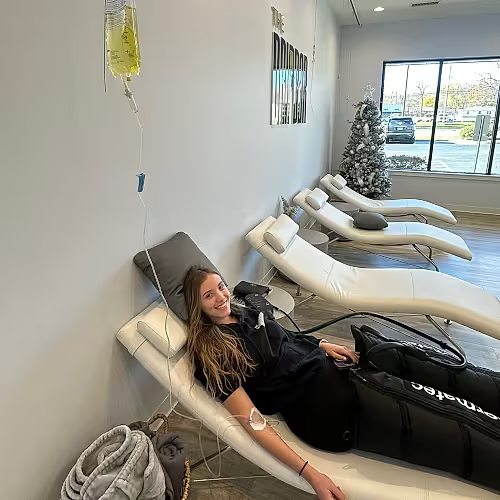
For some people, IV hydration may help support fluid replenishment when oral intake is difficult. At The DRIPBaR Edwardsville Glen Carbon, screened clients who are stable and not experiencing emergency symptoms may consider this option. IV hydration can include electrolytes to support fluid balance. It is not a care for Crohn’s inflammation and does not replace medical care. Always disclose current symptoms and medications before a session. Continue oral hydration pacing after any IV session.
- Micro-sip strategy: Take small, frequent sips throughout the day to avoid overwhelming your stomach.
- Hydration checkpoints: Anchor your routine with morning, midday, and afternoon fluid breaks.
- Fluid pairing: Combine drinks with gentle snacks or meals to support absorption.
- Monitor signals: Track urine color, dizziness, and fatigue to catch dehydration early.
Easy meals and snack structure
A predictable meal and snack schedule helps reduce fatigue and decision stress. Three small meals and three snacks can keep energy steady. Choose foods you know you tolerate well.
Oatmeal, eggs, rice, and broths are gentle options for breakfast, lunch, or dinner. Snacks like applesauce, crackers, or yogurt (if tolerated) are easy to prepare and digest. Avoid experimenting with new foods during a flare. Protein is important, but focus on sources that are easy on the gut. Hydration foods, like smoothies or gelatin snacks, can help meet fluid goals. Adjust your choices based on what feels best each day.
During flare weeks, pairing fluids with small portions of food can help stabilize energy. For example, try oral rehydration solution with toast or broth with rice. This approach supports both hydration and nutrition. It also helps reduce dizziness and fatigue.
Tracking symptoms daily can help you communicate with your healthcare provider and notice patterns. Record stool frequency, pain, nausea, hydration checkpoints, and urine output. Note any changes in sleep or stress levels. This information supports safer, more responsive wellness planning.
Recovery planning and stress support
Clients from Glen Carbon often mention that planning for recovery makes flare weeks less overwhelming. Protecting sleep, reducing stress, and pacing daily tasks are just as important as hydration and meals. A five-minute wind-down routine before bed can help improve sleep quality. Stress downshifts, like deep breathing or a short walk, can make symptoms easier to manage. Building rest breaks into your day supports both physical and emotional recovery. These routines help bridge the gap between flare survival and steady routines.
Gentle movement, such as short walks or stretching, can support circulation and mood if tolerated. Avoid intense workouts during a flare. Cancel non-essential tasks and ask for help when needed. Focus on one priority each day to reduce overload.
A comfort toolkit can make flare weeks easier. Keep a water bottle, oral rehydration packets, gentle snacks, and a notebook for tracking symptoms nearby. Add a heating pad or calming playlist if it helps you relax.
Red flags: when to seek care
Some symptoms require urgent medical evaluation. Persistent vomiting, very low urine output, confusion, fainting, or severe dizziness are warning signs. High fever, severe abdominal pain, or significant bleeding also need prompt attention. If symptoms are rapidly worsening or different from usual, do not delay care. Wellness routines should never replace emergency evaluation. Always err on the side of caution.
If you notice black stools, severe weakness, or signs of obstruction, seek help immediately. These symptoms can signal serious complications. Early intervention is key to safety.
Flare-week tracking tips
Daily tracking helps you spot trends and communicate with your wellness team. Record stool frequency, abdominal pain, nausea, hydration, urine output, and sleep quality. Note stress levels and foods tolerated. If you see patterns of worsening symptoms, escalate care. Tracking supports safer, more effective wellness routines.
Use your log to guide hydration and meal adjustments. Share updates with your licensed provider or wellness specialist. This proactive approach may help you avoid setbacks.
If tracking reveals persistent dehydration or new symptoms, contact a professional. Early action may help you avoid complications. Your log is a valuable tool for both you and your healthcare provider.
Transitioning out of a flare week requires a gradual return to steady routines. Start with hydration checkpoints and simple meals. Add gentle movement as tolerated. Plan groceries and easy meals for the next week. Avoid overbooking your schedule during recovery.
Avoid rebound symptoms by avoiding heavy, greasy meals and alcohol in the first days after improvement. Keep routines steady for at least a week. Focus on rebuilding energy and consistency.
Common flare-week mistakes
Trying to power through with caffeine instead of fluids can worsen dehydration. Skipping meals all day and then eating a heavy dinner may increase discomfort. Drinking very sugary beverages can make diarrhea worse. Ignoring persistent vomiting or severe symptoms delays needed care. Avoid overusing supplements or laxatives without guidance.
Remember, flares are not a sign of failure. Focus on stabilizing hydration, meals, and recovery routines. Seek support when needed. Wellness services can complement, but not replace, medical care. Stay proactive and gentle with yourself during flare weeks. Consistency and early action make a difference.
Recovery bridge: planning for the week ahead
After a flare, the recovery bridge helps you rebuild routines and help avoid setbacks. Start with hydration checkpoints and gentle meals on day one. Add protein at each meal if tolerated on day two. Gradually increase food variety and plan for the next week. Continue gentle movement and protect sleep. Avoid jumping back into intense activities or heavy meals too soon. This phased approach supports a smoother transition out of flare mode.
The Crohn’s flare-up checklist is a practical tool for moving from survival to recovery. Use it to anchor your hydration, meals, and rest routines. Consistency helps you avoid rebound symptoms and supports long-term wellness.
IV hydration for post-flare support
Some clients find that IV hydration at The DRIPBaR Edwardsville Glen Carbon supports their recovery after a tough week. This option is available for screened, stable clients who are not experiencing emergency symptoms. IV hydration can help replenish fluids and electrolytes when oral intake is still inconsistent. It is not a substitute for medical care or a care for Crohn’s inflammation. Always bring a medication list and share current symptoms before your session. Continue home hydration and gentle meals after your visit.
Flexible scheduling models are available, including early-week support, post-travel resets, and late-week recovery sessions. Choose what fits your needs and recovery pace. Always prioritize safety and communication with your wellness team.
- Early-week support: For stable clients needing a hydration reset after a tough start.
- Post-travel reset: Within 24 to 72 hours after travel, paired with home hydration and gentle meals.
- Recovery bridge session: Late in the flare week when symptoms are improving but fatigue remains.
- Pre-visit guidance: Bring your medication list, eat a small snack, and avoid alcohol on session day.
- Post-visit routine: Continue hydration checkpoints, gentle meals, and sleep protection at home.
Avoiding rebound symptoms
Do not rush back into heavy meals or celebrate with alcohol on your first good day. Keep routines steady for a full week after improvement. Gradually add more variety to meals as tolerated. Plan easy groceries and avoid overbooking your schedule. This helps you avoid setbacks and supports lasting recovery.
Common misconceptions include thinking water alone is always enough or that large meals are needed to regain strength. In reality, oral rehydration solutions and small, frequent meals are often more effective during flare weeks. Gentle movement and rest are better than pushing through intense workouts.
If you are considering IV hydration, remember it is only appropriate for stable clients without red flags. Severe symptoms require urgent medical evaluation. IV hydration can complement home routines but does not replace medical care. Always communicate openly with your wellness team. Your safety is the top priority.
Lab monitoring may be needed if dehydration or electrolyte issues persist. Licensed professionals may check sodium, potassium, kidney function, and other markers. Needs vary, so follow guidance from your healthcare provider.
Key takeaways for flare weeks
Prioritize hydration-first routines during Crohn’s flare weeks. Use micro-sips, hydration checkpoints, and oral rehydration solutions when diarrhea is active. Pair fluids with gentle meals to support absorption and energy. Protect sleep and reduce stress with simple routines. Track symptoms daily and escalate care if red flags appear. The DRIPBaR Edwardsville Glen Carbon can support stable clients with hydration needs, but always seek medical evaluation for severe symptoms.
Flares are not failures. Focus on stability, comfort, and gradual recovery. Use your checklist to guide daily routines. Consistency and early action help you avoid complications.
Stay proactive by planning meals, hydration, and rest for the week ahead. Ask for help when needed and use tracking logs to communicate with your healthcare provider. Wellness routines work best when they are flexible and responsive.
Moving forward with confidence
Managing Crohn’s flare weeks is about building routines that support hydration, nutrition, rest, and recovery. Use your checklist as a guide, but always listen to your body and seek help when needed. The DRIPBaR Edwardsville Glen Carbon is here to support stable clients with hydration needs, while respecting the importance of medical care. If you are ready to walk through the process, our team can guide you from arrival to finish. Remember, limited daily slots are available, so consider scheduling your visit soon. Your wellness journey is unique, and we are here to help you every step of the way.
If you have questions about hydration support or want to learn more about our services, reach out to our team. We are committed to providing a safe, welcoming environment for every client. Take the next step toward steadier routines and greater comfort.
Additional Related Resources
The World Health Organization provides an excellent overview of oral rehydration salts and diarrhea hydration, explaining why these solutions are different from plain water and how they help you avoid dehydration during active diarrhea. This resource is helpful for understanding the science behind oral rehydration solutions, which are often discussed in Crohn’s flare hydration routines.
The American Gastroenterological Association’s page on IBD hydration and dehydration warning signs covers practical tips for staying hydrated with inflammatory bowel disease. It outlines dehydration symptoms, fluid needs, and when to escalate care, making it a valuable reference for anyone managing Crohn’s flare weeks.
Choosing the Right IV vitamin drip
This web site is for educational purposes only. It is not intended as a substitute for the diagnosis, treatment and advice of a qualified licensed professional. This site offers people health information and informs them about some of their options, but in no way should anyone consider that this site represents the “practice of medicine.” This site assumes no responsibility for how this material is used. Also note that this website frequently updates its contents, due to a variety of reasons.
At The DRIPBaR Edwardsville Glen Carbon, your well-being is our top priority. Our Medical Director, Crystal Bradley (License No: 277.003238, IL), leads our licensed providers with expert guidance. While Crystal Bradley doesn’t see clients on-site, they work closely with our licensed medical professionals, ensuring you receive safe, high-quality, and personalized care during every visit. You’re in trusted hands with a team dedicated to helping you feel your best.
- Terms of Use
- Privacy Policy
- Accessibility
- Sitemap
- (618) 207-3834
- Text Us
- Book Appointment
- Get Directions
- Message Us
- Current Promos
- (618) 207-3834
- Text Us
- Book Appointment
- Get Directions
- Message Us
- Current Promos