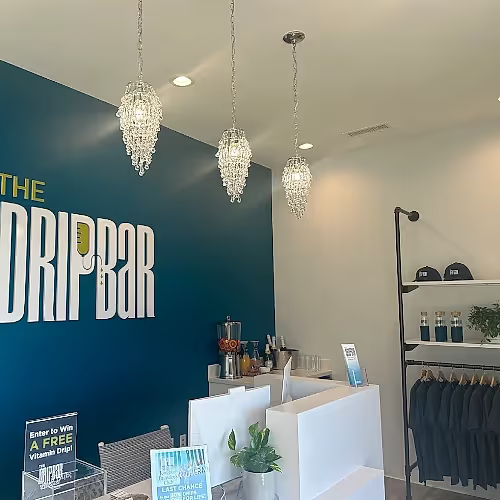

At The DRIPBaR Edwardsville Glen Carbon, we know that clients from Glen Carbon and surrounding areas expect a high standard of safety and comfort. Our commitment to ongoing IV therapy training means our team is always prepared to deliver care that meets evolving best practices. This training covers everything from aseptic technique to the latest protocols. We believe that investing in our staff’s education is key to building trust. Many local clients appreciate knowing their wellness journey is supported by a well-trained team.
Continuous learning is not just a requirement but a core value for our staff. Regular refreshers and competency checks help us maintain high standards. This approach supports both safety and client confidence.
Why IV therapy staff training matters
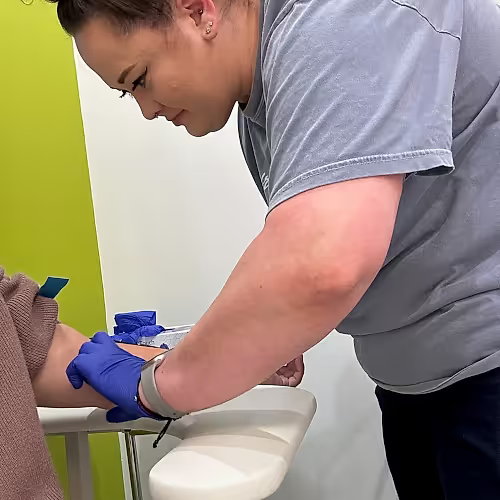
IV therapy is a medical-grade procedure, even in a wellness setting. Staff must be skilled in vascular access, sterile technique, and monitoring for any signs of complications. Ongoing training helps you avoid protocol drift and ensures every team member follows the same high standards. It also keeps everyone updated on new ingredients, equipment, and safety guidelines. This commitment to education is what sets a clinic apart and keeps clients returning.
IV therapy licensed provider training essentials
Licensed providers receive focused instruction on venipuncture, infusion setup, and rate management. Training also covers documentation and responding to client symptoms. These skills are refreshed regularly to ensure readiness.
IV drip protocol training focus
IV drip protocol training is designed to standardize care and minimize risks. Staff learn how to prepare infusions accurately, match protocols to client needs, and recognize early warning signs. Emphasis is placed on aseptic technique and equipment safety. Regular drills and competency checks help reinforce these skills. By maintaining strict adherence to protocols, clinics can reduce variability and improve outcomes.
Infusion pump training is a key part of staff development. Team members are taught how to program pumps, troubleshoot alarms, and manage flow rates safely. This training includes hands-on practice and scenario-based learning. Staff also review common issues like occlusions or air bubbles. By mastering these skills, licensed providers can respond quickly to any situation. Consistent pump training supports both safety and client comfort.
A comprehensive IV therapy competency checklist guides ongoing evaluation. It covers technical skills, communication, and emergency response. Staff must demonstrate proficiency before working independently. Regular audits and feedback sessions help identify areas for improvement. This structured approach ensures every team member meets the clinic’s standards.
Aseptic technique training
Aseptic technique training is vital for infection prevention in IV therapy. Staff learn proper hand hygiene, glove use, and clean field setup. They are also trained in skin antisepsis, hub disinfection, and safe handling of supplies. Ongoing refreshers address common areas where shortcuts might develop over time. By reinforcing these habits, clinics reduce infection risk and protect both clients and staff.
IV therapy staff training also emphasizes documentation and legal defensibility. Every visit requires clear records of infusion details, client symptoms, and aftercare instructions. Training covers how to chart subjective symptoms neutrally and document any adverse reactions. Staff are reminded to avoid vague language and promises. This attention to detail protects both the client and the clinic.
Role-based training ensures that each team member understands their specific responsibilities. Licensed providers focus on access skills and monitoring, while nurse practitioners oversee protocol selection and complex cases. Front desk staff are trained to recognize red flags and escalate appropriately. This coordinated approach supports a seamless client experience.
IV therapy staff training in action
Ongoing IV therapy training is woven into daily operations at The DRIPBaR Edwardsville Glen Carbon. Our team participates in regular skills labs, micro-trainings, and annual competency reviews. IV therapy training is not a one-time event but a continuous process. This ensures that every staff member is prepared for both routine care and unexpected situations. Clients benefit from a team that is confident, capable, and up to date.
Monthly micro-trainings keep knowledge fresh and address any recent protocol updates. Quarterly in-services provide deeper dives into skills like venipuncture and emergency response. These sessions also include case study reviews and hands-on practice. By layering different types of training, we maintain a high level of readiness. This structure helps staff stay engaged and motivated.
IV therapy staff training: real-world benefits
Clients notice the difference when staff are well-trained. They feel more comfortable, ask better questions, and trust the process. Staff can quickly spot and address any issues, reducing the risk of complications. Consistent training also means that every visit feels organized and professional. This builds loyalty and encourages clients to return. A strong training culture supports both safety and satisfaction.
Training is not just about skills but about mindset. Staff are encouraged to ask questions and seek feedback. This openness helps the team learn and adapt together.
- Monthly refreshers: Keep staff updated on new protocols and safety tips.
- Hands-on practice: Skills labs and scenario drills reinforce technical abilities.
- Audit feedback: Regular chart audits identify areas for improvement.
- Client communication: Training includes scripts for clear, reassuring conversations.
Infusion pump training
Infusion pump training teaches staff to program, monitor, and troubleshoot devices safely. This reduces the chance of errors during infusions. Staff gain confidence handling both routine and unexpected pump issues.
A strong IV therapy staff training program also includes emergency preparedness. Staff practice response steps for allergic reactions, fainting, and other adverse events. They learn how to access emergency medications and when to escalate care. Drills help everyone stay calm and coordinated under pressure. After each drill, the team reviews what went well and what could improve. This learning culture ensures that staff are always ready to respond effectively.
Documentation training is another key component. Staff are taught to record every detail of the infusion, including solution, rate, and client response. They also document education and aftercare instructions. Accurate records protect both the client and the clinic. Regular audits help maintain high standards. Staff receive feedback and coaching to address any gaps.
Consent and client education are woven into every step of the process. Staff explain IV therapy in plain language and set realistic expectations. They review contraindications and answer common questions. Training covers how to handle requests for stronger doses or faster drips safely. Staff are empowered to refer clients out when needed. This approach builds trust and supports informed decision-making.
Privacy and professionalism are always emphasized. Staff learn how to handle sensitive information and maintain respectful boundaries. This supports a safe and welcoming environment.
IV therapy competency checklist
A competency checklist guides skill validation for every staff member. It covers technical tasks, communication, and emergency response. Staff must demonstrate proficiency before working independently.
Chart audits are used as a training tool to identify missing documentation or incomplete notes. Audits lead to coaching and targeted micro-trainings. Staff are encouraged to view feedback as an opportunity to grow. This process helps maintain high standards across the team. Regular audits also support legal defensibility. Consistent documentation protects both clients and staff.
Client feedback is integrated into training programs. Comments about comfort, communication, or scheduling are reviewed and addressed. This helps the team adapt and improve the client experience.
IV therapy staff training for quality care
Many clients from Glen Carbon and nearby communities appreciate the convenience of our location and the expertise of our staff. Our ongoing training program ensures that everyone, from licensed providers to front desk staff, is prepared to deliver safe and consistent care. We focus on both technical skills and client communication. This approach helps us meet the needs of a diverse client base. By investing in education, we build trust and long-term relationships.
Standardization across teams helps avoid protocol drift and ensures a consistent experience. Staff follow clear standard operating procedures and participate in regular audits. Training portals and learning management systems help track progress and completion. Lead licensed providers are trained to coach and evaluate peers. This structure supports both quality and accountability.
IV therapy staff training audits
Audits are a normal part of our training program. They focus on charting, infection control, and adherence to protocols.
Immediate coaching is provided for small deviations. Monthly reviews identify trends and guide targeted training.
Incident learning systems encourage staff to report and review adverse events or near misses. This process focuses on fixing systems, not blaming individuals. Structured reviews help identify root causes and update training or protocols as needed. Staff are encouraged to share lessons learned with the team. This approach supports a culture of safety and continuous improvement. Clients benefit from a team that is always learning.
Advanced and specialty protocol training is provided for complex infusions or clients with unique needs. Staff learn how to manage rate-sensitive drips, high-dose antioxidants, and add-on pushes safely. Training covers screening requirements, hydration assessment, and post-infusion guidance. Special attention is given to clients with low blood pressure, anxiety, or multiple medications. Staff are taught when to seek clinical leadership input. This ensures that every client receives care tailored to their situation.
Client experience training is linked to safety in IV therapy. Staff practice communication techniques for needle placement and during infusions. They learn how to explain sensations and set expectations. Aftercare instructions empower clients to monitor their response and know when to contact the clinic. Training also covers how to handle requests for faster drips or stronger doses safely. This focus on communication supports both comfort and safety.
IV therapy staff training culture
A culture of psychological safety encourages staff to ask questions and admit mistakes. This helps the team learn and improve together.
Leadership visibility is important for training success. When leaders participate in drills, staff take training seriously.
IV therapy staff training for growth
Training is not just about compliance but about growth and development. Advanced skill tracks and mentorship opportunities are available. Staff are recognized for excellent practice and encouraged to pursue continuing education.
A sample training blueprint includes onboarding, monthly micro-trainings, quarterly in-services, and annual competency reviews. Onboarding covers SOP orientation, infection prevention, and skills labs. Monthly sessions address topics like infiltration recognition and documentation. Quarterly in-services include hands-on stations and emergency simulations. Annual reviews confirm that every staff member meets the clinic’s standards. This layered approach supports both skill development and consistency.
IV therapy staff training: next steps
Ongoing staff training is the foundation of safe and effective IV therapy. It transforms protocols into reliable habits and builds readiness for rare but important events. By investing in education, clinics support both client safety and satisfaction. Structured programs blend onboarding, refreshers, and competency checks. This approach benefits everyone involved.
IV therapy training is a continuous journey, not a destination. Staff stay current with evolving best practices and adapt to new challenges. Clients can feel confident knowing their licensed provider is always learning. This commitment to training supports both safety and a positive experience. Choosing a clinic with a strong training culture makes a real difference.
If you are considering IV therapy, ask about the clinic’s training program and approach to safety. A well-trained team is prepared for both routine care and unexpected situations. Look for clinics that invest in ongoing education and competency checks. This focus on training helps ensure a consistent and high-quality experience. Your wellness journey deserves a team that is committed to learning and improvement. Reach out if you want to compare options or have questions about our approach.
IV therapy staff training: ongoing commitment
A strong training program is never finished. Staff are encouraged to pursue advanced skills and mentorship roles. Recognition and incentives help motivate ongoing learning. Clinics that prioritize training see better outcomes and higher client satisfaction. Continuous improvement is part of the culture. Clients benefit from a team that is always striving to do better.
If you are ready to experience the difference that ongoing staff training makes, consider booking a visit. Our team is available six days a week and can accommodate walk-ins. We are committed to providing a safe, comfortable, and educational experience. Let us help you compare your options and choose the right path for your wellness goals. Reach out today to get started.
IV therapy staff training standards
Standard operating procedures and version control are essential for maintaining training standards. A single source of truth for protocols ensures consistency across the team. Training portals track module completion and competency checks. Lead licensed providers are trained to evaluate and coach peers. Regular audits and incident reviews help identify areas for improvement. This system supports both quality and accountability. Clients benefit from a team that is always aligned with best practices.
Remediation plans are in place if skills slip. Extra supervised shifts and re-testing help staff regain proficiency.
Incident learning systems encourage reporting and structured review of adverse events. This helps clinics update training and protocols as needed.
Key performance indicators track the effectiveness of training programs. Metrics include IV start success rates and client comfort scores. Regular review supports continuous improvement.
IV therapy staff training: final thoughts
Ongoing staff training is the engine that keeps IV therapy safe and client-centered. It transforms protocols into reliable habits. Clients receive confidence and clarity every visit.
If you are interested in learning more about our training approach or want to compare options, our team is here to help. Reach out to discuss your wellness goals. We look forward to supporting your journey.
Ready to experience the difference
Choosing a clinic with a strong commitment to ongoing staff training means choosing safety, consistency, and a high standard of care. At The DRIPBaR Edwardsville Glen Carbon, our team’s dedication to learning ensures that every client receives attentive, knowledgeable support. From your first visit to every return, you will notice the difference that a well-trained staff makes. We invite you to reach out with any questions or to compare our approach with others. Your wellness journey deserves a team that is always striving to improve. Let us help you make an informed choice.
If you are ready to take the next step, our team is available to guide you through your options and answer any questions. We are committed to providing a safe, comfortable, and educational experience. Reach out today to schedule your visit or to learn more about our training programs. Your confidence and well-being are our top priorities.
Choosing the Right IV vitamin drip
This web site is for educational purposes only. It is not intended as a substitute for the diagnosis, treatment and advice of a qualified licensed professional. This site offers people health information and informs them about some of their options, but in no way should anyone consider that this site represents the “practice of medicine.” This site assumes no responsibility for how this material is used. Also note that this website frequently updates its contents, due to a variety of reasons.
At The DRIPBaR Edwardsville Glen Carbon, your well-being is our top priority. Our Medical Director, Crystal Bradley (License No: 277.003238, IL), leads our licensed providers with expert guidance. While Crystal Bradley doesn’t see clients on-site, they work closely with our licensed medical professionals, ensuring you receive safe, high-quality, and personalized care during every visit. You’re in trusted hands with a team dedicated to helping you feel your best.
- Terms of Use
- Privacy Policy
- Accessibility
- Sitemap
- (618) 207-3834
- Text Us
- Book Appointment
- Get Directions
- Message Us
- Current Promos
- (618) 207-3834
- Text Us
- Book Appointment
- Get Directions
- Message Us
- Current Promos