
Many travelers from Glen Carbon and surrounding areas are surprised by how quickly altitude can impact their well-being, especially when routines change. If you are planning a mountain trip, it is important to recognize the signs of altitude sickness symptoms early. Symptoms like headache, nausea, and fatigue can overlap with dehydration, making it essential to monitor both. Building a hydration plan before you go can make a noticeable difference in how you feel.
Altitude sickness is not just a concern for extreme adventurers; even a quick flight or drive to a mountain city can bring on symptoms. The risk increases with rapid ascent, sleeping at higher elevations, and skipping acclimatization steps. Dehydration and electrolyte loss often go unnoticed, especially in dry or cold climates where thirst cues are less reliable. By understanding these factors, you can take practical steps to support your body’s adjustment. Remember, severe or worsening symptoms always require evaluation by a licensed medical professional.
High altitude hydration essentials
Hydration at high altitude is more complex than simply drinking more water. The air is drier, and your breathing rate increases, which means you lose more fluid through respiration. Many travelers do not realize that thirst can be a poor indicator of actual hydration needs in these conditions. Electrolytes play a crucial role in helping your body retain and use fluids effectively. Overhydration with plain water can actually dilute sodium levels, leading to other issues. It is safer to focus on steady, consistent sipping throughout the day. Pairing fluids with electrolytes is especially helpful during periods of exertion or when appetite is low. Monitoring urine color and frequency can offer simple clues about your hydration status. Aim for a balanced approach rather than extremes.
Electrolytes for altitude sickness
Electrolytes are minerals that help your body maintain fluid balance, nerve function, and muscle performance. At altitude, you lose both water and electrolytes through sweat and increased urination. Replacing only water can leave you feeling off balance, especially after long hikes or active days. Using an electrolyte supplement may help support your body’s needs during these times. Choose options that fit your preferences and are easy to use consistently.
IV hydration for altitude
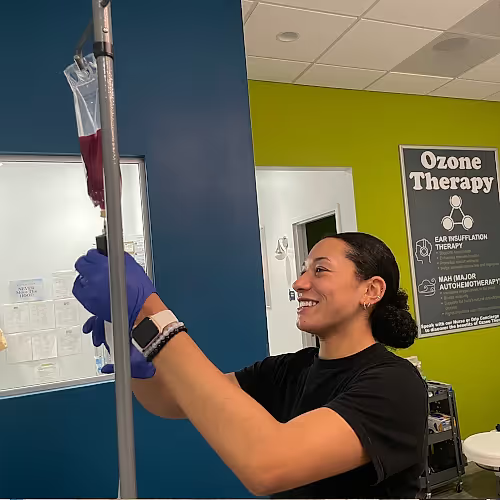
IV hydration delivers fluids and electrolytes directly into your bloodstream, bypassing the digestive system. This approach can be helpful for travelers who struggle to drink enough or are recovering from intense activity. It is not a substitute for gradual acclimatization or medical care for severe symptoms. Many people find IV hydration useful after long flights, busy travel days, or when nausea limits oral intake. Always consult with a licensed professional before considering IV therapy. The goal is to support your recovery and comfort, not to replace foundational habits.
When planning for high-altitude travel, it is important to consider both hydration and electrolyte intake. Long days of activity, sun exposure, and changes in appetite can all contribute to fluid and mineral loss. Electrolyte drinks or supplements can be especially valuable after heavy sweating or when meals are skipped. Avoid relying solely on sports drinks with high sugar content. Instead, look for balanced options that provide moderate sodium and are gentle on your stomach. Consistency is key to feeling your best.
Dehydration and altitude sickness can share similar symptoms, such as headache, fatigue, and nausea. This overlap makes it challenging to know which issue to address first. A practical approach is to evaluate both your recent activity and hydration habits. If you have been sweating, urinating frequently, or drinking less than usual, start by gently increasing fluids and adding electrolytes. If symptoms persist or worsen, seek medical attention promptly. Remember, hydration support is just one part of a comprehensive altitude wellness plan.
High altitude hydration tips
Start each day with a hydration check-in and sip fluids regularly. Use a visible bottle and set reminders to help maintain your routine. Adjust your intake based on activity and climate.
Avoid chugging large amounts of water at once, especially before bed. Instead, focus on steady sipping throughout the day to support your body’s needs. Pair fluids with light, salty snacks if you are active. Listen to your body and adjust as needed.
Recognizing symptom overlap
It is common for travelers to confuse dehydration with altitude sickness symptoms. Both can cause headache, fatigue, and nausea, making it difficult to pinpoint the cause. Paying attention to your hydration habits and recent activity can help clarify what is happening. If you notice altitude sickness symptoms after a rapid ascent, take them seriously. Simple self-checks and routine adjustments can make a difference.
The two-lane evaluation model is a practical way to assess your situation at altitude. First, consider your recent ascent, sleeping elevation, and whether symptoms began after gaining altitude. Next, review your hydration and electrolyte intake, urine color, and frequency. This dual approach helps you respond effectively without guessing. If symptoms improve with rest and hydration, continue your routine. If they worsen or include confusion, shortness of breath, or severe headache, seek medical care immediately. Do not ignore persistent or escalating issues.
Building a daily hydration routine is one of the most effective ways to support your body at altitude. Start with a morning check, sip fluids consistently, and use electrolytes when activity or sweating increases. Evening routines can help you reset and prepare for the next day. These habits are especially important during the first two days at higher elevations. Adjust as needed based on how you feel.
High altitude travel tips
Different types of trips require unique hydration strategies. Flying into a mountain city exposes you to dry cabin air and immediate elevation changes, so begin sipping fluids early and keep activity light on arrival. Ski trips and cold weather weekends can blunt thirst, making warm beverages and structured bottle routines helpful. Multi-day hikes demand careful planning, with hydration packs and scheduled breaks to maintain fluid balance. Road trips may tempt you to limit fluids, but consistent sipping and planned stops are safer. Business travelers should use reminders and keep a bottle visible during meetings. Each scenario benefits from a flexible, balanced approach.
Electrolytes are especially useful during long activity days, after alcohol, or when appetite is low. Keep a serving available and adjust based on your needs. Consistency supports comfort.
- Morning check: Assess how you feel and plan your hydration for the next few hours.
- Visible bottle: Keep your water bottle in sight to encourage regular sipping.
- Electrolyte timing: Use electrolytes before or after heavy activity or sweating.
- Meal pairing: Pair fluids with meals and snacks for better absorption.
- Warm options: Choose warm drinks in cold weather to stay comfortable.
- Refill rule: Refill your bottle at every stop or break during the day.
- Evening reset: End each day with a gentle hydration routine, not a large chug.
- Symptom tracking: Monitor for headache, nausea, or fatigue and adjust your plan as needed.
Hydration and electrolyte balance routines
Balanced hydration means matching fluid intake with electrolyte needs, especially during high-altitude travel. Electrolytes help your body retain water and support muscle and nerve function. Use a split strategy by taking half a serving in the morning and half later in the day. Avoid extremes like only drinking water or overusing supplements. The goal is steady, reliable support for your body’s demands.
Overhydration can be just as risky as dehydration, particularly if sodium levels drop too low. Warning signs include swelling in your hands, persistent headache, and confusion despite frequent urination. If you notice these symptoms, pause and reassess your intake. Electrolyte support is especially important during heavy sweat or long activity periods. Always seek medical attention if symptoms are severe or worsening. Balanced routines are safer than chasing extremes.
IV hydration may be a supportive option for some travelers, particularly after long flights or when oral intake is difficult. It is not a replacement for acclimatization or medical care. Use it as part of a broader wellness plan.
Combining oral hydration with IV support can help you recover after demanding travel days. Start with steady sipping and electrolyte use throughout your trip. Add a structured recovery block, such as an IV session, after intense activity or when you feel depleted. Continue oral hydration afterward to maintain balance. This approach is flexible and can be adapted to different trip types.
Lifestyle choices like alcohol, caffeine, and nutrition all influence how your body handles altitude. Limiting alcohol, especially early in your trip, can reduce dehydration and support better sleep. Pair caffeine with extra fluids and avoid overuse. Balanced meals, including protein and salty snacks, help maintain energy and hydration. Prioritize sleep and recovery routines to support acclimatization. Small adjustments can make a significant difference in your comfort.
Red flags and escalation guidance
Certain symptoms at altitude require urgent medical attention. Seek help if you experience shortness of breath at rest, chest tightness, confusion, or severe headache that worsens. Persistent vomiting or inability to keep fluids down is also a warning sign. Rapidly worsening symptoms should never be ignored. Descent and professional evaluation are essential when altitude illness is suspected. Hydration routines are supportive but not a substitute for medical care.
The DRIPBaR Edwardsville Glen Carbon offers a supportive environment for travelers seeking hydration and recovery options. Our team includes experienced licensed providers and wellness professionals who guide you through a personalized intake process. Private rooms and a comfortable lounge create a relaxing atmosphere. We prioritize safety, flexibility, and education for every client. Whether you are preparing for a trip or recovering from one, our services are designed to fit your needs.
Packing for high altitude hydration success
Many clients from Glen Carbon appreciate having a hydration plan before heading to higher elevations. Packing a refillable bottle, electrolyte packets, and a warm drink option can make a big difference. Include salty snacks and a backup bottle for flexibility. Simple tools like phone reminders and a small organizer help keep your routine on track. Preparing ahead supports a smoother, more comfortable trip.
A daily self-check system can help you stay proactive about hydration at altitude. Each morning, assess how you feel and plan your fluid intake. Midday, check if you are sipping steadily and adjust based on activity. In the evening, review your balance and plan for the next day. These small habits add up over time.
Altitude hydration myths debunked
Several common myths can lead travelers astray. Drinking excessive water does not guarantee you will avoid altitude sickness. Thirst is not always a reliable guide at higher elevations. Sports drinks are not always the best electrolyte source, especially if they are high in sugar. Chugging water at night does not make up for missed hydration during the day. The reality is that balanced routines, gradual acclimatization, and listening to your body are key supports.
The first 48 hours at altitude are critical for establishing good habits. Use reminders to sip fluids, add electrolytes as needed, and keep activity light. Prioritize sleep and recovery routines. Monitor for symptoms and adjust your plan if needed. Early attention can help set the tone for the rest of your trip.
If you are planning a ski day or high-altitude hike, prepare your hydration strategy in advance. Carry a bottle or hydration pack, use electrolytes during and after activity, and schedule breaks for sipping. End each day with a gentle recovery routine. These steps help you stay comfortable and ready for the next adventure.
Family and group travel tips
Traveling with family or groups requires extra planning for hydration. Make sure everyone has a visible bottle and access to electrolyte options. Plan regular breaks and encourage consistent sipping, especially for children and older adults. Use reminders or group check-ins to keep everyone on track. Prepare snacks and warm drinks to support comfort. Adjust routines based on each person’s needs. Group accountability can make hydration easier and more enjoyable.
Key takeaways
Altitude changes how your body manages fluids and electrolytes. Balanced hydration routines are safer than extremes. Severe or worsening symptoms require medical evaluation.
Altitude travel is an opportunity to explore new places and challenge yourself, but preparation is essential. Start building your hydration habits before your trip, and adjust as you go. Use both oral and, if needed, IV hydration as supportive tools, not replacements for acclimatization or medical care. Listen to your body and respond to symptoms early. The right routine can help you feel steady and enjoy your adventure.
When to consider IV hydration
IV hydration may be helpful for travelers who struggle with oral intake, feel depleted after long travel days, or want structured recovery support. It is not a replacement for medical care or emergency care for altitude sickness. Use it as part of a broader wellness plan. Always consult with a licensed professional before starting any new service. Your comfort and safety come first.
Some travelers notice that their altitude sickness symptoms improve with hydration support, especially when combined with electrolytes. IV therapy can be a convenient option after demanding days or when nausea limits drinking. Remember, the foundation is still consistent daily habits. Use IV hydration as a supplement, not a substitute.
Combining oral and IV hydration can help you recover after intense activity or travel. Continue to sip fluids and use electrolytes between sessions. This approach supports ongoing comfort and readiness.
Structured recovery routines for travelers
A structured recovery routine can make a significant difference during high-altitude trips. Start with steady sipping and electrolyte use each day. Add a planned recovery block, such as an IV session, after major exertion or travel. Use the time to rest, reset, and prepare for the next activity. Continue oral hydration afterward to maintain balance. This flexible approach adapts to different trip types and personal needs.
Electrolytes and IV fluids work together to support hydration, but daily habits are the foundation. Use electrolytes to help your body retain fluids and support muscle function. IV fluids can quickly restore circulating volume when needed. Focus on regular routines and avoid relying on a single session to meet all your needs. Consistency is key.
Lifestyle factors at altitude
Alcohol, caffeine, and nutrition all play roles in how your body handles altitude. Limit alcohol to reduce dehydration and improve sleep. Pair caffeine with extra fluids and avoid overuse. Eat balanced meals with protein and salty snacks to support energy and hydration. Prioritize sleep and gentle recovery routines. Small adjustments can have a big impact on your comfort.
If you are traveling with a group or family, plan hydration routines together. Make sure everyone has access to fluids and electrolytes. Use reminders and regular check-ins to keep the group on track. Adjust routines for children, older adults, or anyone with special needs. Group support can make healthy habits easier to maintain.
Always pay attention to warning signs like confusion, severe headache, or shortness of breath. These symptoms require prompt medical evaluation. Hydration support is helpful, but not a replacement for professional care.
Altitude travel can be rewarding with the right preparation. Build your hydration habits before your trip and adjust as needed. Use both oral and IV hydration as supportive tools, not replacements for acclimatization or medical care. Listen to your body and respond to symptoms early. The right routine can help you feel steady and enjoy your adventure.
Ready to support your altitude journey
If you are preparing for high-altitude travel or recovering from a recent trip, The DRIPBaR Edwardsville Glen Carbon is here to help. Our team of experienced licensed providers and wellness professionals can guide you through hydration and recovery options tailored to your needs. Whether you are planning a mountain adventure or just want to feel your best, we offer a supportive, comfortable environment. Reach out today to learn more or schedule your visit. Your wellness journey starts with the right support.
Taking proactive steps for hydration and electrolyte balance can make a noticeable difference in your comfort at altitude. Our team is ready to answer your questions and help you find the best options for your goals. Connect with us to start planning your wellness routine. We look forward to supporting you on your next adventure.
Choosing the Right IV vitamin drip
This web site is for educational purposes only. It is not intended as a substitute for the diagnosis, treatment and advice of a qualified licensed professional. This site offers people health information and informs them about some of their options, but in no way should anyone consider that this site represents the “practice of medicine.” This site assumes no responsibility for how this material is used. Also note that this website frequently updates its contents, due to a variety of reasons.
At The DRIPBaR Edwardsville Glen Carbon, your well-being is our top priority. Our Medical Director, Crystal Bradley (License No: 277.003238, IL), leads our licensed providers with expert guidance. While Crystal Bradley doesn’t see clients on-site, they work closely with our licensed medical professionals, ensuring you receive safe, high-quality, and personalized care during every visit. You’re in trusted hands with a team dedicated to helping you feel your best.
- Terms of Use
- Privacy Policy
- Accessibility
- Sitemap
- (618) 207-3834
- Text Us
- Book Appointment
- Get Directions
- Message Us
- Current Promos
- (618) 207-3834
- Text Us
- Book Appointment
- Get Directions
- Message Us
- Current Promos