
Can memory loss be slowed?
Memory decline can disrupt daily life and relationships. Early support and targeted strategies may help maintain mental clarity. Understanding available options empowers families to make informed choices.
Support Cognitive Wellness and Clarity
Personalized brain health support.
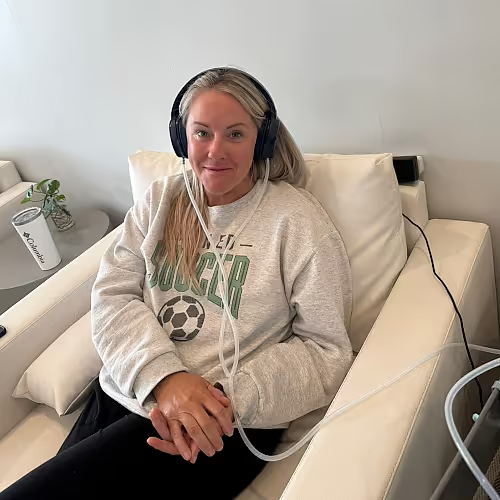
The DRIPBaR offers tailored IV nutrient therapies designed to support brain health and cognitive function for those experiencing memory changes. These therapies focus on delivering essential vitamins and antioxidants that may help reduce oxidative stress and promote cellular repair. By targeting factors like inflammation and mitochondrial function, our approach aims to help maintain mental clarity and support overall neurological wellness. Our team works with you to identify supportive strategies that align with your wellness goals.
At The DRIPBaR Edwardsville Glen Carbon, our services are designed to complement existing care plans and provide an extra layer of support for individuals and caregivers. Regular sessions may help manage symptoms such as brain fog and cognitive fatigue. We encourage you to explore how IV therapy can fit into your broader approach to healthy aging. Book your appointment today to discover supportive options for cognitive health.
Did you know?
Alzheimer’s is the most common cause of dementia, accounting for up to 80% of cases.
Understanding Alzheimer's & Dementia
Alzheimer’s & Dementia are progressive neurological conditions that lead to memory loss, cognitive decline, and changes in behavior. These disorders are marked by the buildup of abnormal proteins in the brain, which disrupt communication between nerve cells and eventually cause brain tissue loss. While Alzheimer’s is the most common form, other types include vascular dementia and Lewy body dementia. The progression and symptoms can vary widely among individuals.
Common triggers include genetic factors, advanced age, cardiovascular issues, and chronic inflammation. Managing these conditions involves a combination of medication, lifestyle changes, and supportive therapies. Early intervention and ongoing support can help maintain quality of life. Regular monitoring and adapting care plans are important as needs change over time.
Symptoms of Alzheimer's & Dementia
A person experiencing Alzheimer’s & Dementia may first notice mild forgetfulness or difficulty recalling recent events. Trouble with language, such as finding the right words or following conversations, often follows. These early symptoms can be subtle and sometimes mistaken for normal aging.
As the condition progresses, individuals may become disoriented, have trouble recognizing familiar people, or struggle with daily tasks. Changes in mood, personality, or judgment are also common. Some people may experience increased anxiety, agitation, or depression as symptoms worsen.
In advanced stages, individuals often require help with basic activities and may lose the ability to communicate effectively. Physical symptoms, such as difficulty walking or swallowing, can develop. The need for continuous care increases, placing significant emotional and practical demands on caregivers.
Traditional Treatments
Conventional care for Alzheimer's & Dementia focuses on managing symptoms. Medications like cholinesterase inhibitors and memantine are commonly prescribed to help with memory and cognitive function. Behavioral therapies and environmental modifications can support independence and safety. Lifestyle interventions, including regular exercise, a brain-healthy diet, and social engagement, are encouraged. Supportive care addresses related issues such as sleep disturbances, mood changes, and caregiver stress. Early assessment allows for better planning and access to resources. While there is no simple answer, combining medical, behavioral, and supportive strategies can help maintain quality of life. Ongoing communication with healthcare providers ensures that care plans remain appropriate as needs evolve.
How IV Therapy May Help
Our IV therapy services are designed to deliver targeted nutrients that may support brain health and cognitive function. By providing antioxidants and essential vitamins directly into the bloodstream, these therapies can help address oxidative stress and promote cellular repair. This approach may be especially helpful for those looking to complement their existing care routines. Regular sessions can be tailored to individual needs and wellness goals. Clients and caregivers may notice benefits such as improved mental clarity or reduced feelings of fatigue over time. Our licensed providers monitor each session to ensure comfort and safety. Tracking changes in daily focus or energy can help individuals assess the impact of supportive therapies. We encourage open communication to help personalize your experience and address evolving needs.
Nutrient Support for Brain Wellness
Certain IV therapies offer targeted nutrients and antioxidants that may help support cognitive function and brain health.
NAD+
Nicotinamide Adenine Dinucleotide (NAD) IV therapy provides a concentrated dose of this essential coenzyme to support mitochondrial energy production and DNA repair. By delivering NAD+ directly into the bloodstream, this treatment bypasses digestive limitations for rapid cellular uptake. The infusion may help reduce fatigue, enhance mental clarity, and support neurological function. Individual responses vary, and licensed providers tailor treatments to your wellness goals. This therapy offers a science-based option for those seeking to improve vitality and cognitive resilience. It is administered in a comfortable clinical setting with personalized care.
Read moreNicotinamide Riboside (NR)
Nicotinamide Riboside (NR) is a vitamin B3 derivative delivered intravenously to rapidly increase NAD+ levels, essential for cellular energy and DNA repair. This therapy supports mitochondrial health, improving endurance and cognitive function. It also helps reduce oxidative stress, protecting cells from damage. The infusion bypasses digestive barriers for immediate absorption. This approach supports overall metabolic balance and long-term vitality. It is suitable for adults seeking enhanced energy and brain support. Regular sessions can help maintain resilience and mental clarity.
Very good. It took a couple days but feeling much better Marsha Marshall
Had an amazing first visit! Staff was very professional, knowledgeable, friendly, and empathetic ! Will definitely be back !
Read more
Ready to Get Started?
Feel your best with a treatment designed to support your goals! Whether you’re looking for hydration, energy, immune support, recovery, or overall wellness, our team will help you choose the right option and make sure your experience is comfortable from start to finish. Click the Book Appointment button below to pick your reserve a time that fits your schedule.
What role does exercise play in boosting the effects of Alzheimer's & Dementia support?
Exercise can enhance blood flow to the brain and support overall neurological health. Regular physical activity may help slow cognitive decline and improve mood. When combined with other supportive therapies, exercise can contribute to better outcomes. Always consult your healthcare provider before starting new routines.
What are some ways to personalize care for Alzheimer's & Dementia?
Personalizing care involves tailoring routines, therapies, and support to individual needs and preferences. This may include adjusting daily activities, nutrition, and social engagement. Regularly reviewing and updating care plans ensures they remain effective. Involving caregivers and loved ones can enhance support and quality of life.
What simple at-home practices can complement Alzheimer's & Dementia support?
At-home practices like maintaining a structured routine, engaging in memory games, and eating a balanced diet can help. Staying socially active and managing stress are also beneficial. These habits may complement professional therapies and support brain health. Consistency is key for long-term benefits.
This web site is for educational purposes only. It is not intended as a substitute for the diagnosis, treatment and advice of a qualified licensed professional. This site offers people health information and informs them about some of their options, but in no way should anyone consider that this site represents the “practice of medicine.” This site assumes no responsibility for how this material is used. Also note that this website frequently updates its contents, due to a variety of reasons.
At The DRIPBaR Edwardsville Glen Carbon, your well-being is our top priority. Our Medical Director, Crystal Bradley (License No: 277.003238, IL), leads our licensed providers with expert guidance. While Crystal Bradley doesn’t see clients on-site, they work closely with our licensed medical professionals, ensuring you receive safe, high-quality, and personalized care during every visit. You’re in trusted hands with a team dedicated to helping you feel your best.
- Terms of Use
- Privacy Policy
- Accessibility
- Sitemap
- (618) 207-3834
- Text Us
- Book Appointment
- Get Directions
- Message Us
- Current Promos
- (618) 207-3834
- Text Us
- Book Appointment
- Get Directions
- Message Us
- Current Promos